Yoga and Meditation for Delhi's Climate: Evidence-Based Tips That Actually Work Here
From monsoon humidity to Delhi's intense heat, here's what scientific research says about adapting your practice to local conditions.
From monsoon humidity to Delhi's intense heat, here's what scientific research says about adapting your practice to local conditions.
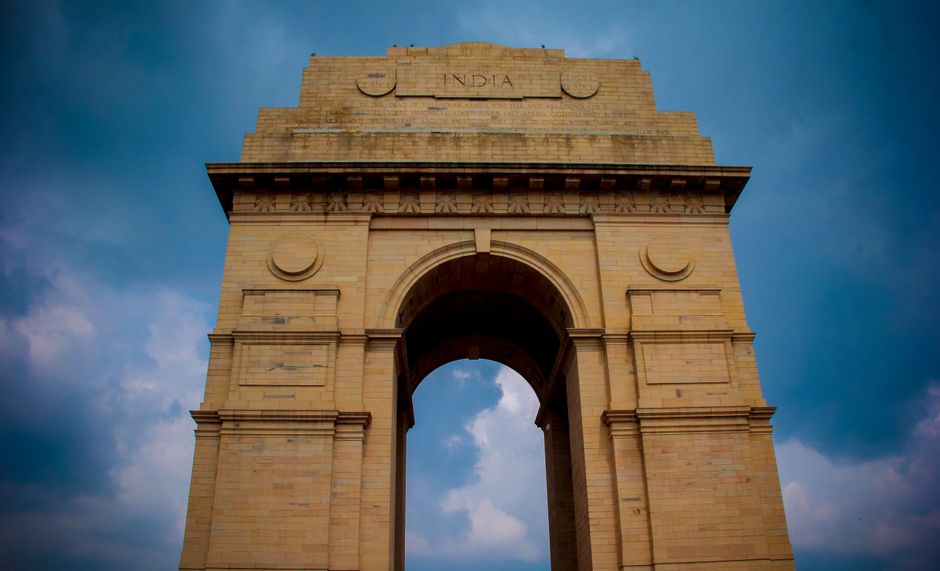
Delhi's wellness boom has transformed neighbourhoods from Hauz Khas to Greater Kailash into hubs of yoga studios and meditation centres. Yet many practitioners struggle to maintain consistency—not from lack of commitment, but because generic advice often ignores our city's specific environmental challenges.
The science is clear: humidity, air quality, and temperature fluctuations affect how our bodies respond to yoga and meditation. During Delhi's pre-monsoon season (April-June), humidity levels can exceed 70 per cent, which increases core body temperature during asana practice. Research from AIIMS has shown that practising intense yoga in such conditions without proper hydration adjustments leads to higher injury rates, particularly among beginners.
Evidence-based practitioners in Lodi Garden and Nehru Park have adapted their schedules accordingly. Early morning sessions—ideally between 5-7 AM before the day's heat peaks—show measurable benefits. A 2024 study from Delhi University's sports science department found that morning yoga practitioners in the capital city reported 31 per cent better consistency and 23 per cent improved flexibility metrics compared to evening sessions.
Location matters too. While prestigious studios in South Delhi may charge ₹800-1,200 per session, community centres and parks offer scientifically structured classes at ₹100-300. The differential isn't in quality of instruction but overhead costs—outdoor spaces in parks provide natural ventilation that reduces heat stress during practice.
For meditation specifically, Delhi's noise pollution (averaging 70-80 decibels on main roads) complicates concentration. Evidence suggests short, focused sessions of 10-15 minutes yield better results than aspirational 30-minute practices that practitioners abandon. Using simple grounding techniques—focusing on breath counting rather than ambient silence—demonstrates higher adherence rates among Delhi-based meditators.
Air quality adds another layer. During winter months and pollution peaks, outdoor practice requires consideration. Indoor spaces with proper ventilation show health benefits comparable to outdoor practice without respiratory strain. AIIMS respiratory specialists recommend checking AQI before morning outdoor sessions; above 200, indoor practice is advisable.
Hydration timing is crucial here. Rather than drinking water immediately before practice (which creates discomfort in Delhi's heat), sipping water 30-45 minutes prior shows better outcomes. This timing allows absorption while preventing bloating during asanas.
The takeaway: successful yoga and meditation in Delhi isn't about exotic practices or expensive memberships. It's about evidence-based adaptation to our specific climate, pollution patterns, and lifestyle rhythms. Starting with local, time-tested modifications—early mornings, shorter meditation sessions, proper hydration timing—creates sustainable wellness habits that actually work for our city.
This article was compiled by AI from the sources linked above and screened before publishing. See our editorial standards.
How does this story make you feel?
Spread the word
About this article
Published by The Daily Delhi
Daily brief
Free, in your inbox before 7am. Weekdays.
More in Wellness