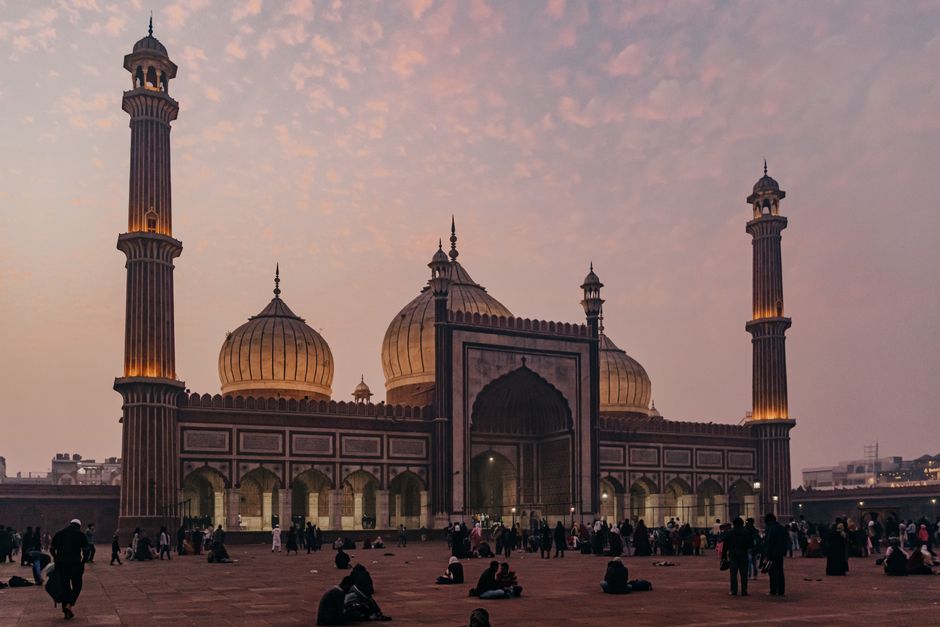
While Silicon Valley speaks of sleep optimization and Nordic countries champion 'hygge', Delhi's relationship with rest remains deeply paradoxical. The city that wakes at 5 a.m. for Lodi Garden jogs often sleeps poorly, caught between global wellness trends and local realities that prioritize productivity over pause.
Sleep deprivation affects roughly 30–40% of urban Indian professionals, according to surveys by sleep wellness organisations. Yet awareness of evidence-based sleep hygiene—circadian rhythm alignment, blue light reduction, consistent bedtimes—is fragmentary across Delhi's neighborhoods. AIIMS sleep medicine clinics report increasing consultations, particularly among IT professionals in Gurgaon and South Delhi's corporate corridors, reflecting global attention to sleep as a health pillar. But access remains expensive; private sleep assessments cost ₹5,000–15,000, placing them beyond reach for many.
Global trends emphasize consistency: the Mediterranean sleep pattern (midday rest), Scandinavian bedroom darkness, and Japanese sleep meditation apps have gained traction in affluent enclaves like Greater Kailash and Vasant Vihar. Yet Delhi's evening culture—late dinners, social gatherings, family togetherness—often contradicts international sleep science recommendations for 10 p.m. bedtimes.
Local adaptations are emerging. Wellness centers near Rajpath and in Sector 7 of Rohini now offer guided evening yoga and meditation classes emphasizing parasympathetic activation—a direct response to global mindfulness movements. Some residents adopt temperature-controlled bedrooms and sleep tracking apps (Oura rings, WHOOP bands), mirroring Silicon Valley biohacking. Yet penetration remains niche; a 2025 Delhi wellness survey found only 12% of respondents use sleep technology regularly.
The disconnect is instructive. While global trends advocate consistent sleep schedules and dark, cool bedrooms, Delhi's climate—intense heat from April through June—makes window management complex. Power cuts in certain areas undermine air conditioning reliability. Meanwhile, cultural factors around joint family living and evening socializing persist, even as nuclear families in Gurgaon increasingly embrace bedroom sanctuaries.
The gap suggests opportunity. As AIIMS and private practitioners expand sleep clinics, and as corporate wellness programs (common among IT firms) increasingly benchmark sleep metrics, Delhi is gradually internalizing global science. Yet truly inclusive sleep wellness—one that respects local rhythms while adopting evidence-based practices—remains aspirational.
For Delhi residents seeking better rest, the answer lies neither in wholesale adoption of global trends nor in dismissing them entirely, but in thoughtful integration: cool bedrooms where feasible, consistent sleep windows adapted to local culture, and professional guidance from local practitioners familiar with urban Delhi's specific stressors.
This article was compiled by AI from the sources linked above and screened before publishing. See our editorial standards.