Eating Well in Delhi's Heat and Humidity: Evidence-Based Tips That Actually Work for Local Conditions
Forget generic nutrition advice—here's what science says works when you're navigating Delhi's climate, water quality, and seasonal produce.
Forget generic nutrition advice—here's what science says works when you're navigating Delhi's climate, water quality, and seasonal produce.
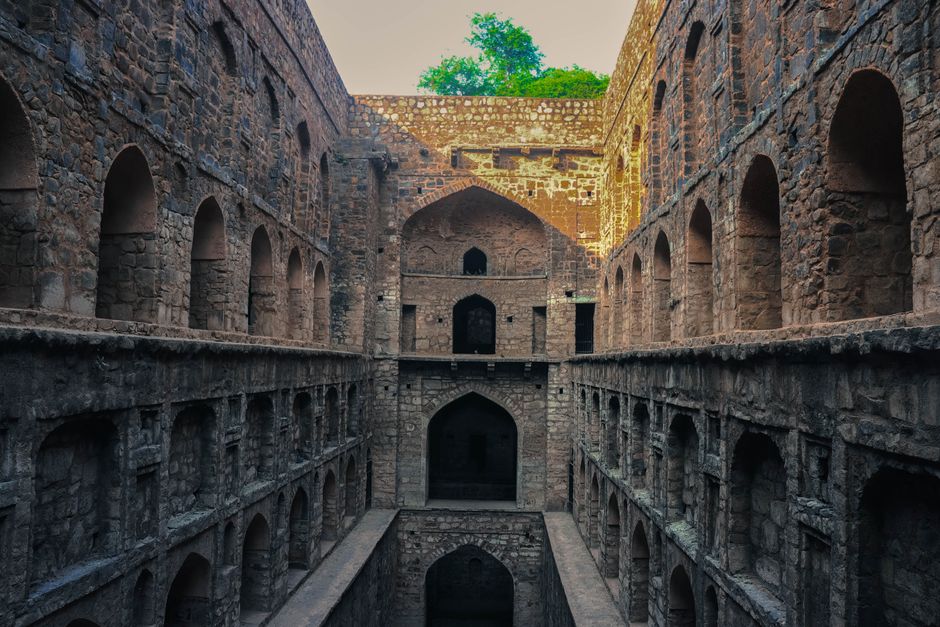
Delhi's nutritional landscape is unlike anywhere else in India. The city's intense summer heat, monsoon moisture, and water mineral content all reshape how our bodies process food and absorb nutrients. Yet most wellness advice ignores these local realities entirely.
Consider hydration first. Delhi's groundwater contains higher dissolved solids than many Indian cities, affecting mineral absorption. Rather than forcing yourself to drink eight glasses of tap water, experts recommend spacing fluid intake throughout the day—particularly in the 40+ degree heat of May and June. RO-filtered water is standard in most Delhi homes, but adding a pinch of rock salt (sendha namak) helps retain electrolytes, especially if you're exercising in Lodi Garden or Nehru Park during early mornings.
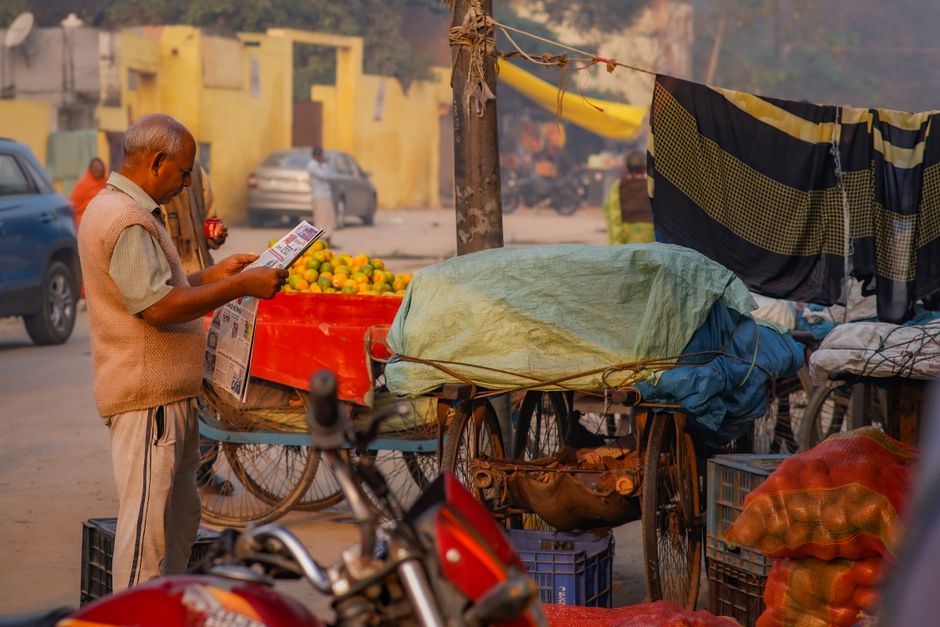
The seasonal produce cycle matters more here than Instagram wellness trends. Delhi's peak vegetable season runs October through March. During summer months (April-June), sourcing local leafy greens becomes harder, making frozen or preserved options from markets near INA or Lodhi Colony more practical than aspiring to daily salads. When monsoon arrives (July-September), focus on iron-rich foods like spinach and beetroot—both abundant and affordable at ₹20-40 per kg at neighbourhood sabzi mandis. Research from AIIMS nutrition departments consistently shows that eating seasonally reduces pesticide exposure by up to 30% compared to out-of-season produce.
Delhi's clean eating movement has exploded around areas like Connaught Place and Saket, but basic nutrition works just as well with traditional foods. Bajra and jowar, staple grains in Delhi kitchens for generations, contain more magnesium and zinc than wheat, improving joint health—particularly relevant as the city's running culture grows through winter months. A simple roti made from these millets costs ₹8-12 versus premium alternatives at ₹50+.
The timing of meals matters in Delhi's climate too. Eating your largest meal at lunch (when digestive fire is strongest, according to both Ayurveda and modern chronobiology) rather than dinner helps with Delhi's notorious humidity and sleep quality. Heavy dinners often precede poor sleep in the pre-monsoon months when temperatures barely drop at night.
Finally, water quality affects mineral intake directly. If you're buying packaged drinking water, check sodium content—many Delhi brands contain 50-100mg per litre, which matters if you're already consuming salt through traditional foods. Mineral water (₹15-25 per bottle) offers better balance than distilled alternatives.
Sustainable nutrition in Delhi isn't about perfection—it's about working with, not against, local conditions.
This article was compiled by AI from the sources linked above and screened before publishing. See our editorial standards.
How does this story make you feel?
Spread the word
About this article
Published by The Daily Delhi
Daily brief
Free, in your inbox before 7am. Weekdays.
More in Wellness