The Small Steps That Stick: How Delhi's Active Seniors Built a Winning Mobility Routine
From Lodi Garden walkers to Nehru Park regulars, older Delhiites share the practical habits that keep them moving—and the obstacles they've learned to overcome.
From Lodi Garden walkers to Nehru Park regulars, older Delhiites share the practical habits that keep them moving—and the obstacles they've learned to overcome.
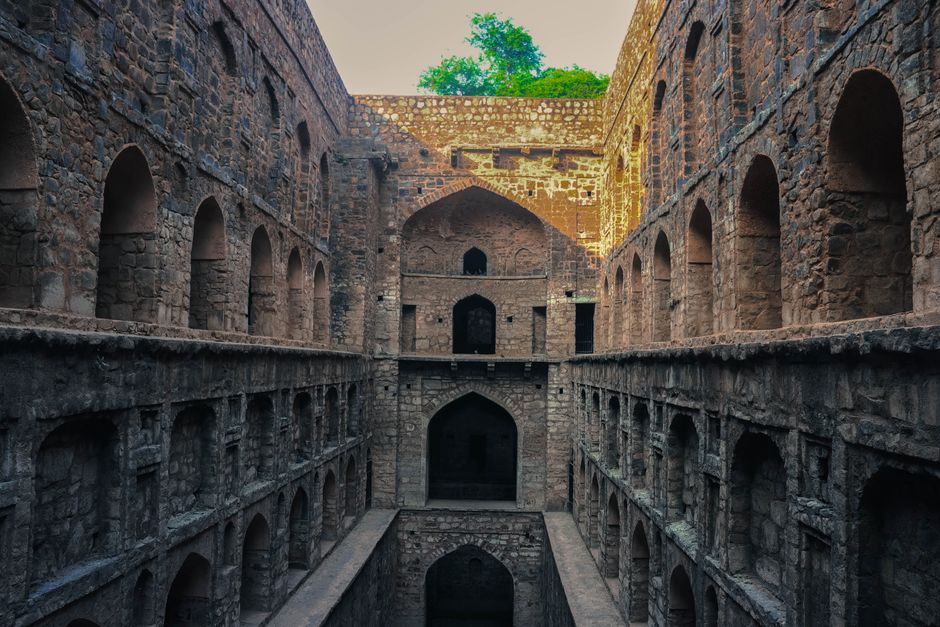
Every morning at 6:30 a.m., Lodi Garden transforms into an open-air wellness classroom. Among the joggers and speed-walkers are men and women in their 60s, 70s, and beyond—not conquering marathons, but executing something far more valuable: a repeatable daily ritual that works.
The mobility crisis facing India's ageing population is real. According to data from AIIMS's geriatric medicine department, sedentary habits accelerate functional decline in adults over 55 by up to 40 percent within five years. Yet across Delhi's neighbourhoods—from the tree-lined paths of Nehru Park to the quieter circuits around India Gate and the bylanes of Safdarjung—a growing number of older adults have cracked a counterintuitive code: consistency matters far more than intensity.
"The habit isn't the 45-minute walk," explains a wellness coordinator at a South Delhi fitness hub near Vasant Kunj. "It's showing up at the same time, same place, three or four times a week." This anchor-point approach—picking a specific venue and time—has become the backbone of sustainable mobility for many local seniors.
Take the practice spreading through Defence Colony and Greater Kailash: brief, intentional movement sessions at home. Rather than waiting for weather or motivation, participants spend 10–15 minutes daily on simple resistance exercises using household items—a water bottle, a sturdy chair, or body weight alone. The investment is zero; the barrier to entry is minimal. Many use the early morning or late afternoon slots when Delhi's heat is manageable.
Affordability shapes behaviour here. A monthly membership at a premium gym can cost ₹3,000–₹5,000. Lodi Garden access is free. Group yoga classes at municipal centres like those in Dwarka run ₹200–₹500 monthly. This explains why community-led initiatives—morning tai chi near ITO, evening walking groups coordinated via WhatsApp from Saket—have gained traction among those on fixed pensions.
Footwear and terrain awareness matter too. Locals have learned that Delhi's uneven pavements, potholes, and seasonal flooding demand proper shoes (₹1,500–₹3,000 for good walking footwear). Those who've invested in anti-slip soles and supportive arches report fewer falls and ankle strain.
The deeper insight: mobility isn't a short-term project for Delhi's active seniors. It's a perpetual system—one built on accessible venues, zero or low cost, family accountability, and the simple wisdom that a 20-minute walk three times weekly outperforms sporadic gym sessions. The path forward, it seems, isn't steeper. It's just consistently walked.
This article was compiled by AI from the sources linked above and screened before publishing. See our editorial standards.
How does this story make you feel?
Spread the word
About this article
Published by The Daily Delhi
Daily brief
Free, in your inbox before 7am. Weekdays.
More in Wellness