How to Start a Walking Group in Your Neighbourhood
From route planning to building momentum, here's what Delhi residents need to know to launch a community walking initiative in their area.
From route planning to building momentum, here's what Delhi residents need to know to launch a community walking initiative in their area.
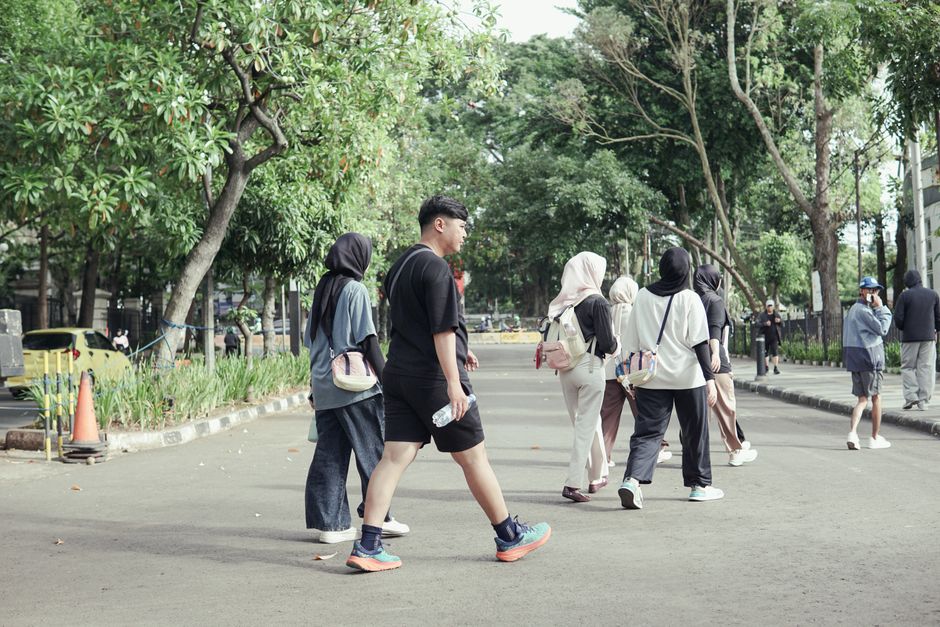
Delhi's morning fitness culture is thriving. While Lodi Garden draws thousands daily and Nehru Park has become synonymous with structured yoga, a quieter revolution is happening in residential colonies across the city: neighbourhood walking groups. Unlike formal gym memberships or expensive fitness classes, community walking requires minimal investment and maximum accessibility—making it ideal for Delhi's diverse population.
Starting a walking group begins with geography. Identify a safe, well-lit route within your neighbourhood. South Delhi residents might loop through Defence Colony or Safdarjung Enclave; East Delhi walkers could utilise the Yamuna Biodiversity Park perimeter; North Delhi areas near Rohini have developed green spaces increasingly popular for group activities. The route should be 2-3 km for beginners, ideally traffic-light-free and tree-lined. Scout it yourself first during proposed group hours—early morning (6-7 am) remains safest and coolest during Delhi's intense summers.
Next, identify your core group. Post on neighbourhood WhatsApp groups, colony notices, or local community centres. Response rates suggest 5-8 committed members is a realistic start; expect 15-20% regular attendance from initial interest. AIIMS and Delhi University wellness departments occasionally share data showing community-led fitness initiatives see 40% higher sustained participation compared to solo efforts.
Establish simple ground rules: a fixed day (Tuesday and Saturday mornings work well), consistent timing, and a pace accommodating mixed fitness levels. Walking clubs typically operate free or with minimal contributions (₹50-100 monthly) for refreshments or safety equipment like torches and reflective bands—essential for Delhi's pre-dawn darkness.
Leverage existing infrastructure. Many colonies have registered RWAs (Resident Welfare Associations) that can formally endorse groups, arrange for temporary permits if needed, and occasionally secure small grants. Building trust through your RWA adds credibility and safety oversight.
Create accountability without pressure. A shared Google Sheet tracking attendance keeps momentum, while a simple group chat shares route variations and weather updates. Studies on group fitness show accountability mechanisms increase long-term participation by 35%.
Safety deserves emphasis. Establish buddy systems, share itineraries with family members, and consider joining existing groups initially—organisations like Delhi Running Club and various colony-based walkers' collectives welcome newcomers and provide proven route maps.
The beauty of neighbourhood walking groups lies in their organic growth. What begins as five people circling your colony's perimeter often evolves into a genuine community asset—providing exercise, social connection, and shared responsibility for neighbourhood safety. In a sprawling city like Delhi, these grassroots initiatives remind us that wellness need not be complicated or expensive.
This article was compiled by AI from the sources linked above and screened before publishing. See our editorial standards.
How does this story make you feel?
Spread the word
About this article
Published by The Daily Delhi
Daily brief
Free, in your inbox before 7am. Weekdays.
More in Wellness


