On a Tuesday morning in Lodi Garden, where joggers have gathered for decades, a quieter revolution is unfolding. Members of the Lodi Wellness Circle, an informal community group that meets three times weekly, have begun documenting how shifts in eating habits—rooted in local, seasonal produce—are reshaping their energy levels and overall wellbeing.
The shift began modestly. Residents across neighbourhoods like Greater Kailash, Mehrauli, and Dwarka started questioning their relationship with packaged foods and imported wellness products. Instead, they turned to what Delhi's markets have always offered: seasonal vegetables, millets, lentils, and traditional preparations that their grandmothers had relied upon.
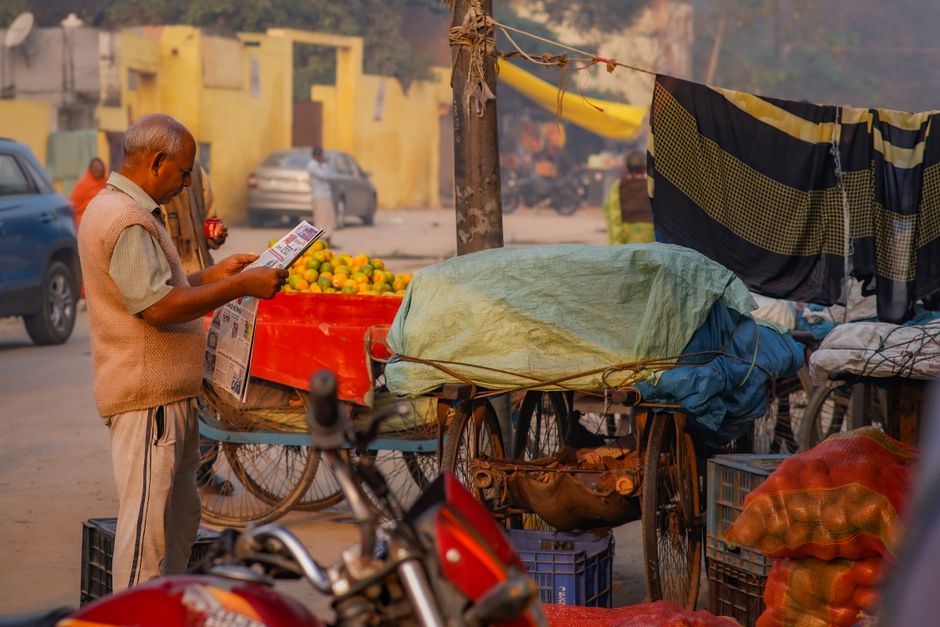
At the weekly farmers' markets in Safdarjung and Defence Colony, vendors report a 40% increase in foot traffic over the past eighteen months, particularly among younger professionals seeking alternatives to supermarket staples. A kilogram of seasonal spinach costs ₹20-30, while organic certification from distant suppliers often doubles that price. The mathematics of health, it turns out, favours what's local.
Community nutrition workshops, now held monthly at neighbourhood health centres near AIIMS South Campus, have attracted over 200 participants monthly. These sessions focus on accessible knowledge: how to incorporate bajra and jowar into daily meals, the protein value of locally-grown moong, and seasonal eating patterns that align with Delhi's climate rather than global supply chains.
What emerges from these stories is less about restriction and more about reconnection. Residents report discovering that traditional preparations—dal-roti combinations, seasonal vegetable curries, and buttermilk-based dishes—provided sustained energy that processed alternatives didn't. Blood pressure readings improved. Sleep patterns stabilized. Energy through afternoon hours became consistent rather than erratic.
The Nehru Park yoga community has noticed this shift too. Practitioners who shifted to whole-grain-based breakfasts and reduced refined sugar report better stamina during practice. Local nutritionists in Gurgaon Road and Karol Bagh now find themselves recommending hyperlocal eating patterns—not as trendy wellness, but as practical medicine.
What makes these stories distinctly Delhi is their pragmatism. This isn't about expensive superfoods or exclusionary diets. It's about recognizing that the Tuesday vegetable vendor on your street corner, the dal shop near your metro station, and the seasonal cycles that have governed Delhi's agriculture for centuries carry nutritional wisdom we'd abandoned.
The transformation isn't overnight. But across the city's neighbourhoods, residents are discovering that the most sustainable health change often begins with the simplest choice: eating what grows here, when it grows here.
This article was compiled by AI from the sources linked above and screened before publishing. See our editorial standards.