Second Wind: How Delhi's Senior Citizens Are Rewriting the Rules of Active Ageing
From Lodi Garden regulars to Nehru Park yogis, community-driven wellness initiatives are helping older Delhiites reclaim mobility and vitality.
From Lodi Garden regulars to Nehru Park yogis, community-driven wellness initiatives are helping older Delhiites reclaim mobility and vitality.
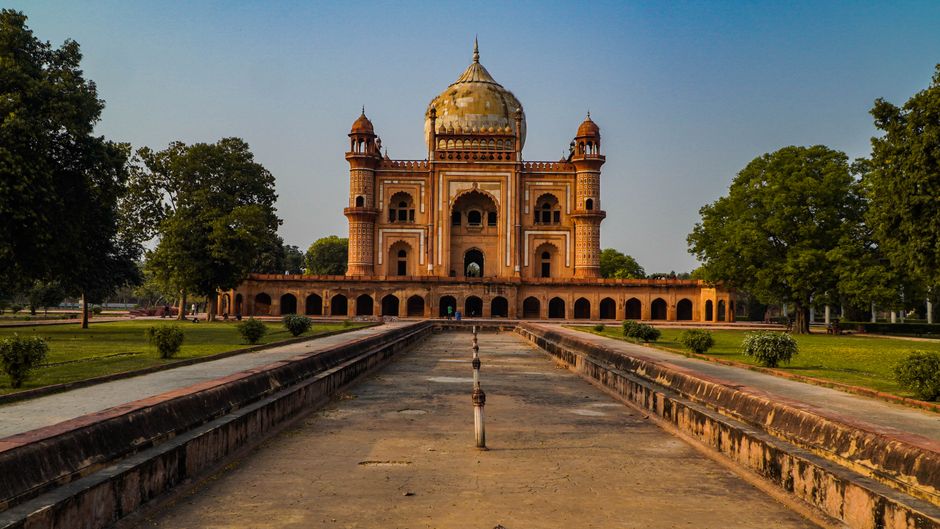
Every morning before 7 a.m., Lodi Garden transforms into an open-air clinic of sorts. Senior citizens—many over 65—move through tai chi sequences, power-walk along the heritage pathways, and stretch on the manicured lawns. This isn't accidental wellness; it's the result of a quiet revolution in how Delhi's ageing population approaches health.
Over the past three years, community-led initiatives across the city have fundamentally shifted the narrative around mobility in later life. The Delhi Senior Citizens Wellness Alliance, operating informally through neighbourhood parks and recreation centres, estimates that participation in structured active-ageing programmes has grown by roughly 40 percent since 2023. While formal gyms charge ₹2,000–₹4,000 monthly, these grassroots groups operate on donation-based models, making fitness accessible to middle and lower-income seniors across South Delhi, North Delhi, and the periphery.
The transformation stories are modest but meaningful. Groups meeting at Nehru Park have documented improved mobility outcomes among participants who commit to twice-weekly sessions. Physiotherapists from nearby AIIMS have increasingly partnered with these informal collectives to offer free screening camps, identifying early signs of joint deterioration and recommending preventive exercise protocols tailored to older bodies.
What distinguishes Delhi's approach is hyperlocal specificity. The steep terrain of Mehrauli's heritage zones has attracted senior walkers interested in low-impact cardio; the flat expanses of Central Park, Connaught Place, draw those recovering from mobility setbacks. Smaller colonies in East Delhi have spawned micro-groups of 8–12 people meeting in residential parks, often led by retired teachers or healthcare workers who volunteer their time.
The shift also reflects India's demographic reality. By 2031, projections suggest Delhi will have over 2.2 million residents aged 60 and above. Prevention-focused wellness—through community activity rather than reactive medical intervention—has emerged as economically and socially pragmatic.
Importantly, these initiatives address isolation alongside immobility. Regular group participation correlates with improved mental health markers among participants, reducing the depression and cognitive decline sometimes associated with sedentary ageing. The social fabric matters as much as the exercise itself.
For older Delhiites navigating the city's heat, traffic, and healthcare costs, these community spaces have become sanctuaries. They prove that active ageing isn't about gym memberships or expensive programmes—it's about consistent movement, collective motivation, and neighbourhood spaces reimagined as wellness zones.
If you're considering joining such groups, consult your local healthcare provider first to ensure activities suit your current fitness level.
This article was compiled by AI from the sources linked above and screened before publishing. See our editorial standards.
How does this story make you feel?
Spread the word
About this article
Published by The Daily Delhi
Daily brief
Free, in your inbox before 7am. Weekdays.
More in Wellness


