Five years ago, the sight of runners dotting Delhi's parks at dawn was a rarity. Today, organised running groups converge on Lodhi Garden's 2-kilometre circuit by 6 a.m., with participants ranging from investment bankers to retirees. This shift mirrors a global trend: according to the World Health Organization, outdoor running and trail-based fitness have seen a 34% surge across urban centres since 2023, driven by post-pandemic wellness priorities and affordable accessibility.
Delhi's uptake tells a distinctly local story. The Delhi Running Club, which began informally in Nehru Park around 2019, now boasts over 8,000 registered members across multiple WhatsApp groups and Strava clubs. Meanwhile, the Aravalli Biodiversity Park near Chhatarpur has emerged as a serious destination for trail runners, with monthly organised marathons drawing participants from neighbouring NCR cities. The 6-kilometre loop through Sanjay Van, despite maintenance challenges, remains popular among half-marathon trainers preparing for events like the Airtel Delhi Half Marathon each October.
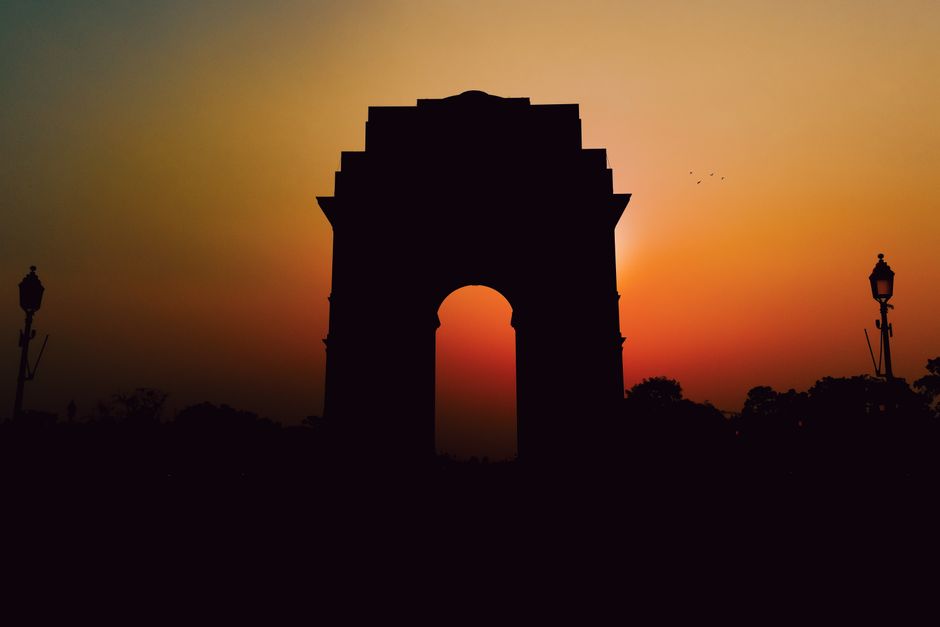
What sets Delhi apart from global equivalents—think London's Richmond Park runs or Sydney's coastal trails—is the democratisation factor. A membership at most Delhi running clubs costs ₹500–1,500 annually, compared to $150–300 USD for equivalent clubs in Western cities. Free, unstructured running at public spaces like India Gate and the Ridge Forest near Chhatrasal Stadium requires zero investment, attracting budget-conscious fitness enthusiasts.
However, Delhi lags behind global norms in infrastructure. While cities like Barcelona have invested heavily in dedicated running trails with hydration stations and safety lighting, Delhi's parks rely on volunteer maintenance and sporadic municipal intervention. Air quality remains the elephant in the room—the Central Pollution Control Board's data shows Delhi's AQI exceeds 300 during winter months, forcing many runners to shift routines or invest in air-quality masks, a phenomenon less common in cleaner international cities.
The clean eating movement, gaining momentum alongside this fitness surge, has created a secondary wellness ecosystem. Local nutrition brands catering to runners are multiplying in South Delhi, particularly around Vasant Kunj and Greater Kailash, mirroring trends seen in global fitness hubs like Austin and Barcelona.
Interestingly, Delhi's running culture has blended traditional wellness practices with modern trends. Many Lodi Garden groups incorporate yoga sessions post-run—a distinctly Indian synthesis absent from typical Western trail-running routines.
As Delhi's running community matures, closing infrastructure gaps and addressing seasonal air quality will be critical to sustaining this momentum and matching global standards.
This article was compiled by AI from the sources linked above and screened before publishing. See our editorial standards.