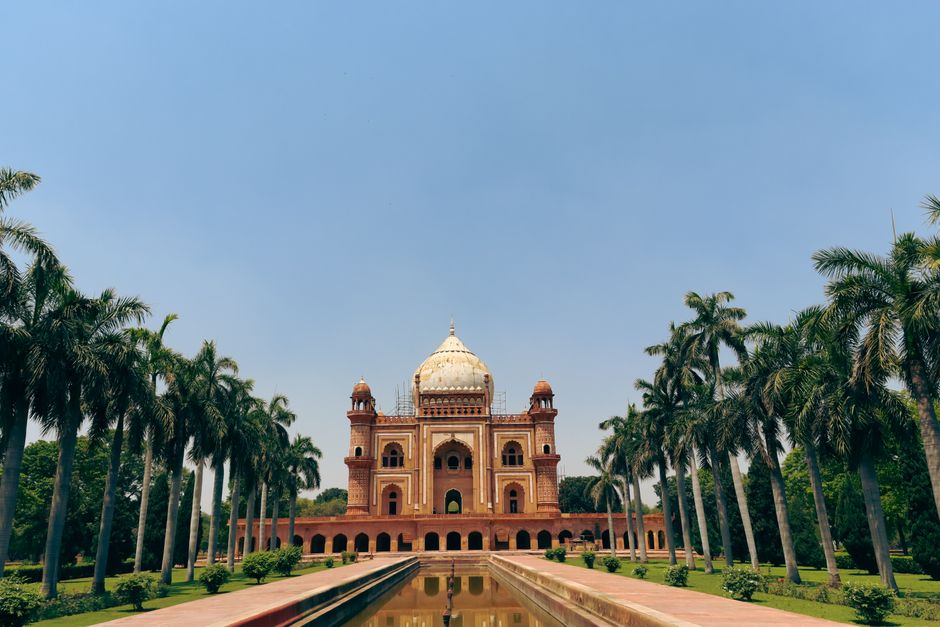
Walk past Lodhi Garden at 6 a.m. on any weekday, and you'll witness a microcosm of Delhi's evolving fitness landscape. Joggers weave between heritage monuments, cyclists claim the outer loop, and clusters of walkers domineer the manicured pathways. Yet despite this visible activity, Delhi's outdoor running culture remains nascent compared to global benchmarks where organised trail running and community marathons drive participation rates of 8–12% in major cities.
The numbers tell a story. While international markets like Europe and North America have embedded outdoor running into urban planning—with dedicated trail networks, municipal support, and sponsorship ecosystems—Delhi's infrastructure remains patchwork. Nehru Park, Ridge Road, and the newly developed pathways along the Yamuna Biodiversity Park offer decent routing, but systematic trail mapping and safety protocols lag behind cities like Singapore or Barcelona, where apps guide runners through curated routes with real-time hazard alerts.
Yet grassroots momentum is undeniable. Running clubs in South Delhi—particularly around Defence Colony and Deer Park—have grown from niche hobby groups to communities numbering 200–400 active members each. The Delhi Half Marathon, held annually since 2011, now attracts 40,000+ participants, rivalling established international events in terms of sheer numbers. Similarly, smaller initiatives like the Lodi Art District running groups and corporate wellness programmes at firms in Gurgaon are driving awareness among younger demographics, with women comprising an estimated 35–40% of casual runners—a significant cultural shift.
The clean eating movement intertwined with this fitness uptake has created a complementary ecosystem. Smoothie bars, protein-focused cafés, and nutritionist consultancies have clustered near high-traffic running zones, a pattern that mirrors trends seen in London's Shoreditch or Brooklyn. Prices remain accessible—a basic running plan from local coaches averages ₹2,000–5,000 monthly, undercutting global equivalents by 60–70%.
However, systemic gaps persist. Summer heat (often exceeding 45°C by May) curtails participation during crucial months, whereas cooler climates in global running hubs maintain year-round engagement. Air quality concerns during winter, despite the season being optimal for outdoor activity, deter casual runners and contradict the wellness narrative. Additionally, Delhi lacks the integrated municipal infrastructure—such as water stations, medical support posts, and well-lit evening trails—that standardise running culture internationally.
What Delhi demonstrates is a wellness trend in transition: high motivation meets structural friction. As infrastructure investments materialise and community ownership deepens, the capital's running renaissance could genuinely rival global counterparts.
This article was compiled by AI from the sources linked above and screened before publishing. See our editorial standards.