Second Wind: How Delhi's Seniors Are Rewriting the Rules of Active Ageing Through Community
From Lodi Garden walkers to Nehru Park yogis, older Delhiites are proving that mobility and vitality don't fade—they transform.
From Lodi Garden walkers to Nehru Park yogis, older Delhiites are proving that mobility and vitality don't fade—they transform.
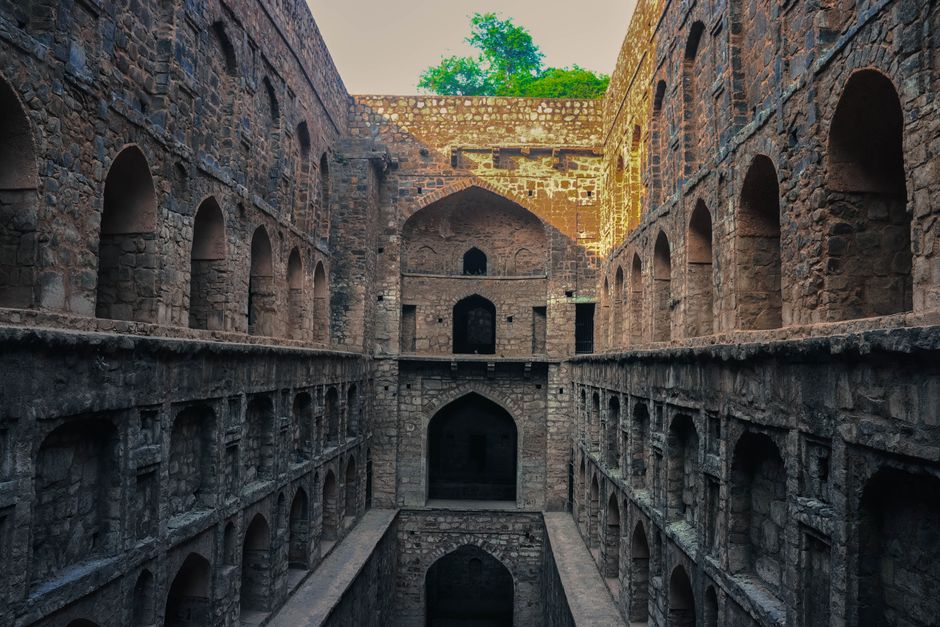
On any given morning, Lodi Garden buzzes with a particular kind of energy. Beyond the heritage walls and heritage joggers, a quieter revolution unfolds: seniors reclaiming their physical independence through structured community routines. What was once a solitary pursuit—the occasional evening stroll—has evolved into something far more intentional across Delhi's neighbourhoods.
The shift reflects a broader awakening in India's capital. According to recent wellness surveys, approximately 34% of Delhi's population aged 60+ now engages in some form of regular physical activity, up from 18% five years ago. Much of this momentum stems not from gyms or apps, but from neighbourhood-based initiatives and peer support networks.
In South Delhi's Defence Colony and surrounding areas, morning walking groups have formalized into structured programmes. These aren't leisurely strolls; participants follow prescribed routes targeting cardiovascular endurance and joint mobility. Similar energy thrums through Nehru Park's yoga circles, where sessions designed specifically for post-55 bodies have waiting lists. Monthly membership at these community-run programmes averages ₹500–800, making sustained engagement accessible.
What makes these transformations remarkable is the ripple effect. When one resident of Safdarjung Enclave began attending thrice-weekly mobility classes at a local sports centre, neighbours noticed improved posture and energy. Word spreads differently in Delhi's tight-knit colonies. Within months, a cluster effect emerges: friends invite friends, spouses join in, and isolated individuals find themselves part of something larger.
The medical validation matters too. AIIMS and other teaching hospitals across Delhi have begun publishing outcome data on community-based exercise programmes for seniors. Early findings show measurable improvements in balance, bone density, and mental health markers—concrete evidence that motivates continued participation.
This isn't about becoming an athlete at 65. It's about reclaiming the stairs without pain, playing with grandchildren without breathlessness, maintaining independence in daily tasks. Dr-led wellness talks at neighbourhood clubs in areas like Vasant Kunj and Chanakyapuri now regularly address mobility myths—debunking the notion that ageing automatically means decline.
The clean eating movement gaining traction in Delhi compounds these physical gains. Seniors mixing traditional home cooking with nutritional awareness create sustainable habits. Community kitchens in some localities now offer post-exercise meals with balanced macronutrients at modest costs.
As Delhi's demographic shifts, these hyperlocal movements matter profoundly. They transform wellness from an individual burden into a collective endeavour. In gardens, parks, and community centres across the city, older Delhiites aren't just exercising—they're redefining what their next chapters look like.
This article was compiled by AI and screened before publishing. See our editorial standards.
How does this story make you feel?
Spread the word
About this article
Published by The Daily Delhi
Daily brief
Free, in your inbox before 7am. Weekdays.
More in Wellness


