From Dhabas to Detox Bowls: How Delhi's Clean Eating Movement is Rewriting the City's Food Story
What started as a niche wellness pursuit among South Delhi professionals has become a mainstream shift, reshaping how the capital eats—and where.
What started as a niche wellness pursuit among South Delhi professionals has become a mainstream shift, reshaping how the capital eats—and where.
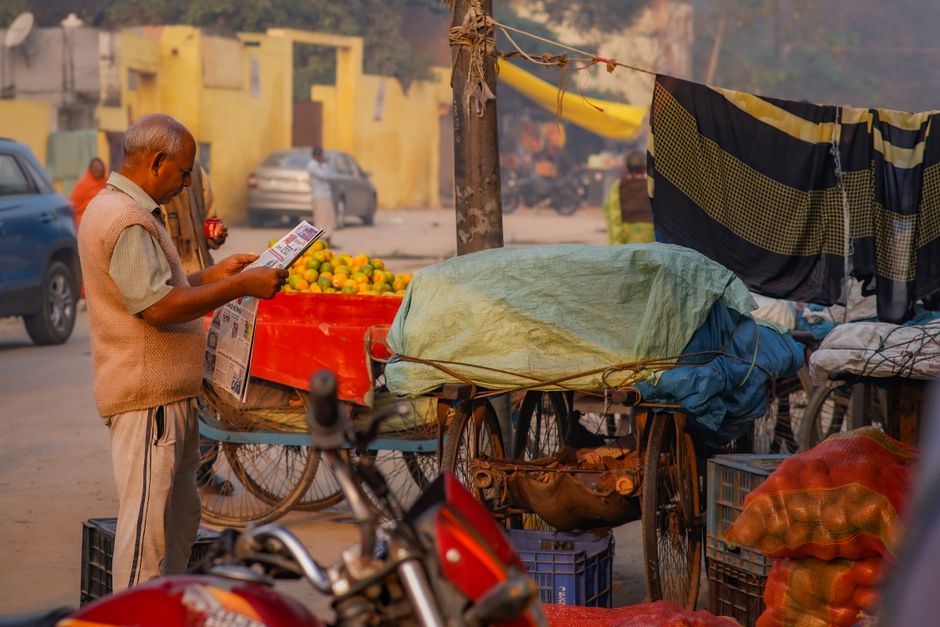
Walk into Mehrauli or Khan Market on any weekday morning, and you'll notice something has shifted. Alongside the traditional paratha vendors and samosa stalls, gleaming juice bars and salad counters have staked their territory. This isn't just a cosmetic change—it signals a deeper transformation in how Delhi approaches nutrition and wellness.
The clean eating movement, once confined to gym enthusiasts and Ayurveda practitioners, has infiltrated mainstream Delhi over the past three years. Nutritionists report a 40% rise in consultations focused on whole foods and elimination diets, particularly among working professionals aged 25-45. Apps tracking food intake and macronutrient balance have seen Delhi users surge from roughly 50,000 in 2023 to over 200,000 by mid-2026, according to wellness app analytics.
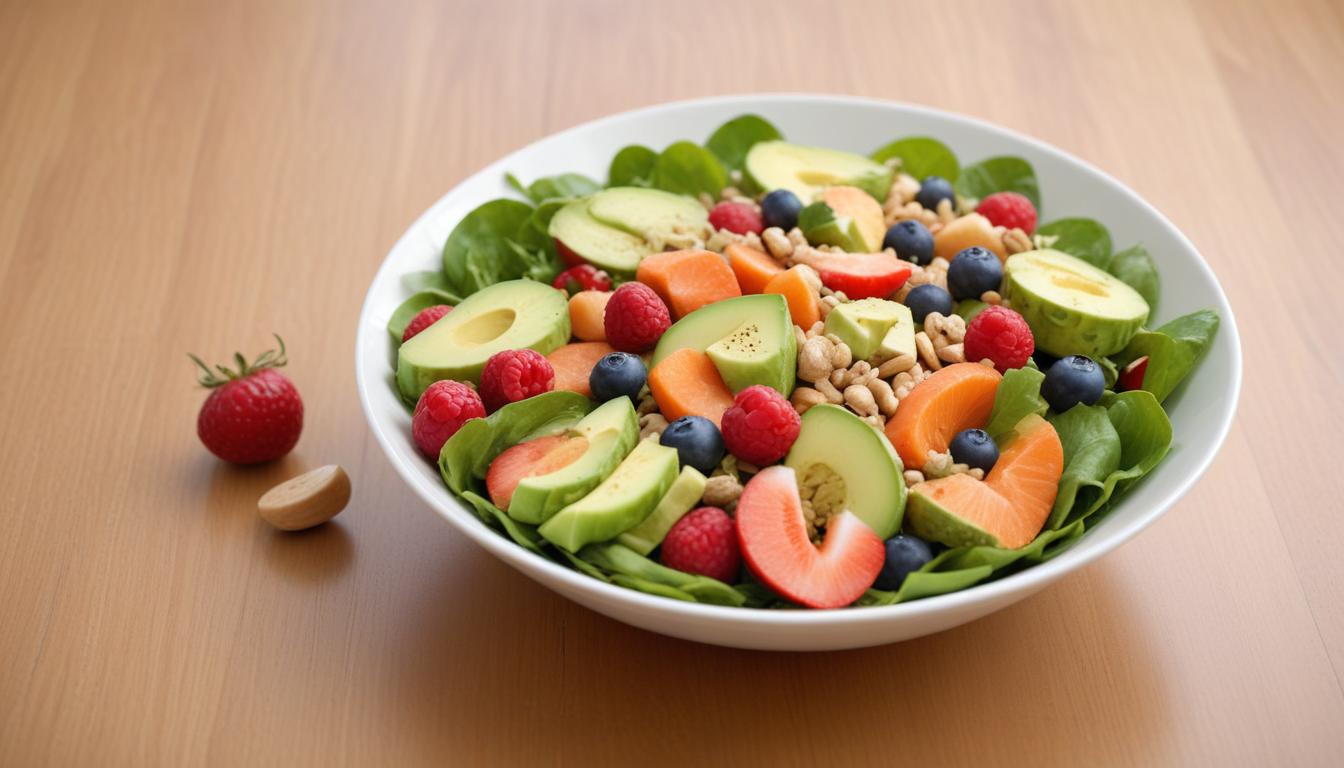
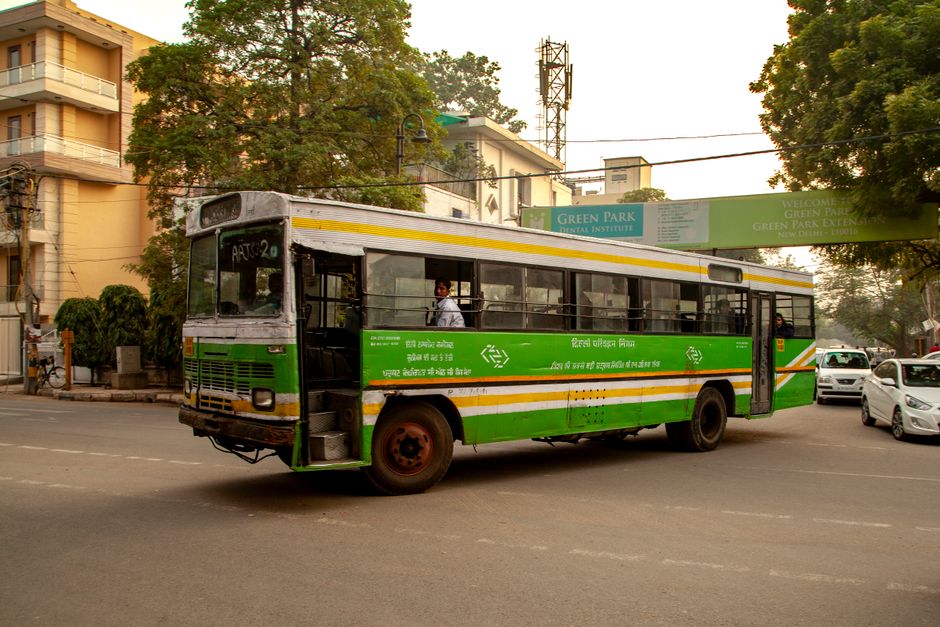
The phenomenon is reshaping Delhi's food retail landscape. Organic markets in Greater Kailash and Vasant Kunj now operate year-round farmer collectives, moving beyond seasonal availability. Local entrepreneurs have launched cold-pressed juice stands in Connaught Place and Green Park, capitalizing on corporate demand during lunch hours. Meanwhile, traditional sweet shops in Chandni Chowk have begun offering millet-based and jaggery alternatives to refined sugar confections.
What's driving this shift? Part of it stems from AIIMS and Delhi University's growing body of research linking processed foods to lifestyle diseases. Simultaneously, the city's morning exercise culture—whether in Lodi Garden or Nehru Park—has created a community conscious about pre and post-workout nutrition. Fitness influencers across Instagram and YouTube have amplified the message, though not without criticism regarding unrealistic standards.
Price remains a barrier. A cold-pressed juice in a South Delhi café costs ₹200-250, while whole grain breads run double or triple the price of refined alternatives. Yet demand persists. Local cooperatives and bulk buying groups in Dwarka and Rohini have emerged to make organic staples more accessible, suggesting the trend may be democratizing beyond affluent enclaves.
The Indian wellness tradition—rooted in Ayurveda and seasonal eating—has been instrumental. Practitioners increasingly frame modern clean eating not as Western fad but as a return to ancestral wisdom. This reframing has legitimized the movement across demographic lines.
Whether this momentum sustains depends on affordability, accessibility, and cultural integration. For now, Delhi's food conversation has fundamentally changed. The question isn't just whether something tastes good—it's whether it nourishes. In a city long defined by culinary excess, that represents a genuinely novel shift.
This article was compiled by AI from the sources linked above and screened before publishing. See our editorial standards.
How does this story make you feel?
Spread the word
About this article
Published by The Daily Delhi
Daily brief
Free, in your inbox before 7am. Weekdays.
More in Wellness