How to Start a Walking Group in Your Neighbourhood
Delhi's parks are full of solo striders at dawn — here's how to turn that solitary habit into a community that actually sticks.
Delhi's parks are full of solo striders at dawn — here's how to turn that solitary habit into a community that actually sticks.
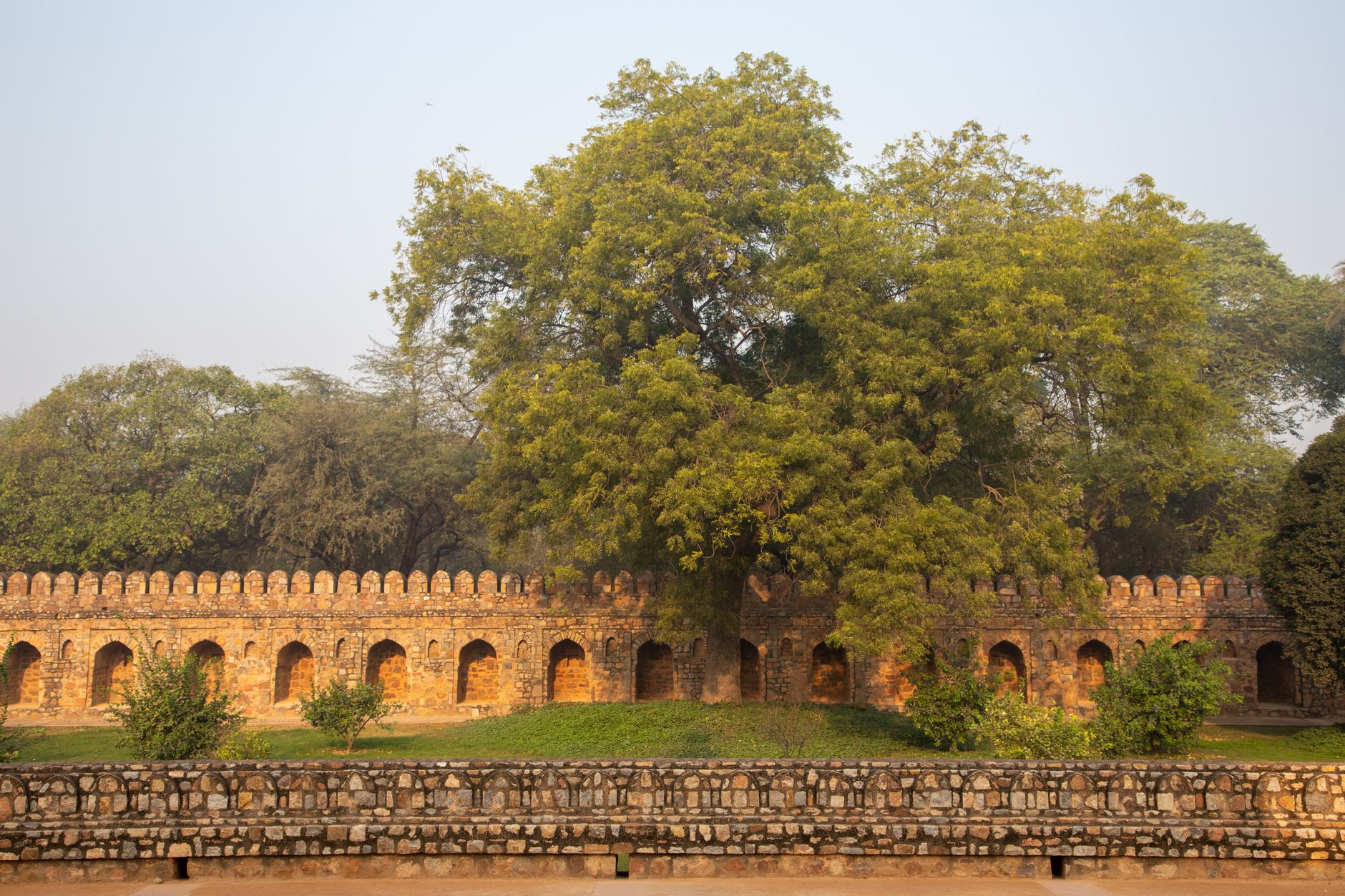
Every morning, well before seven, the perimeter path at Lodi Garden fills with walkers moving in clusters of two or three, earphones in, eyes down. Most of them do not know the person five steps ahead. That is the gap a neighbourhood walking group can close — and across South and Central Delhi, residents are increasingly doing exactly that, organising WhatsApp-coordinated morning circuits that cost nothing to join and require no fitness level to begin.
The timing matters. July marks the tail end of the pre-monsoon heat, when temperatures drop from 42°C peaks to a more manageable 34°C by early morning. Delhi's running and walking season traditionally kicks into full gear between October and February, but community fitness organisers say July is the right month to build the habit, so that when the cool weather arrives, the group already has rhythm and muscle memory. The Indian Council of Medical Research flagged in its 2025 national health report that physical inactivity contributes to nearly 35 percent of non-communicable disease burden among urban adults — a figure that has nudged residents and Resident Welfare Associations alike toward structured outdoor activity.
Two venues dominate the morning exercise conversation in the capital. Lodi Garden, maintained by the Archaeological Survey of India and spanning 90 acres near Khan Market, draws an estimated 3,000 to 4,000 visitors daily during cooler months. Its 2.5-kilometre loop is flat, tree-shaded and well-lit by 5:30 a.m. Nehru Park in Chanakyapuri, at 80 acres, runs a more varied circuit popular with diplomatic enclave residents and civil servants from nearby Shanti Path. Both parks have informal walking clusters that formed organically over years — but the organisers behind them say the early weeks were the hardest.
The Central Delhi RWA Federation, which covers associations across Connaught Place, Karol Bagh and Paharganj, began piloting a structured neighbourhood walking initiative in January 2026 under its Swasth Mohalla program. The model is straightforward: one anchor member per block takes responsibility for a weekly group walk, sets a fixed start time — typically 6:15 a.m. on Tuesdays and Saturdays — and registers participants through a shared Google Form. No membership fee. No compulsory attendance. Sixteen blocks enrolled in the first month; by April, 23 had active groups walking regularly.
Start with the route before you recruit anyone. A 2-to-3-kilometre loop that begins and ends at the same point — a park gate, a temple entrance, a community centre — removes logistical friction. In Vasant Kunj, several groups use the Sector C green belt. In Defence Colony, the market loop via Lala Lajpat Rai Marg works well because it has wide footpaths and a tea stall at the midpoint, which organisers there describe as their group's unofficial anchor.
Next, fix a time and defend it. Experienced group coordinators consistently say that variable timings kill attendance within three weeks. The 6:00–6:30 a.m. window is Delhi's sweet spot for working adults — early enough to finish before the heat builds, late enough that the roads are not completely empty. Set a WhatsApp group with a strict no-forward policy to keep it functional rather than chaotic.
Third, keep the entry barrier low. A 30-minute walk at a conversational pace — roughly 4 to 4.5 kilometres per hour — accommodates most adults regardless of fitness history. AIIMS's Department of Community Medicine recommends a minimum of 150 minutes of moderate-intensity walking per week for cardiovascular benefit; two group walks cover nearly half that target without anyone feeling they are on a medical regime.
Finally, mark the eight-week point on your calendar before you start. Research from the University of London's health behaviour unit puts the average habit formation window at 66 days. Groups that plan a small milestone at the two-month mark — a group breakfast at a local dhaba, a photograph at a landmark — report significantly better retention. In Saket, one group that began in November 2025 celebrated their eight-week mark with idli and chai at a stall near Select Citywalk. They are still walking. Before starting any new exercise routine, check with a physician, particularly if you have an existing health condition.
How does this story make you feel?
Spread the word
About this article
Published by The Daily Delhi
Daily brief
Free, in your inbox before 7am. Weekdays.
More in Wellness