wellness
Delhi's Ancient Fermented Foods Boost Gut Health, Science Confirms
From Lodi Colony's dairy stalls to the pickle vendors of Chandni Chowk, Delhi's fermented food tradition is older than any probiotic pill, and gut science is finally catching up.
How we reported this
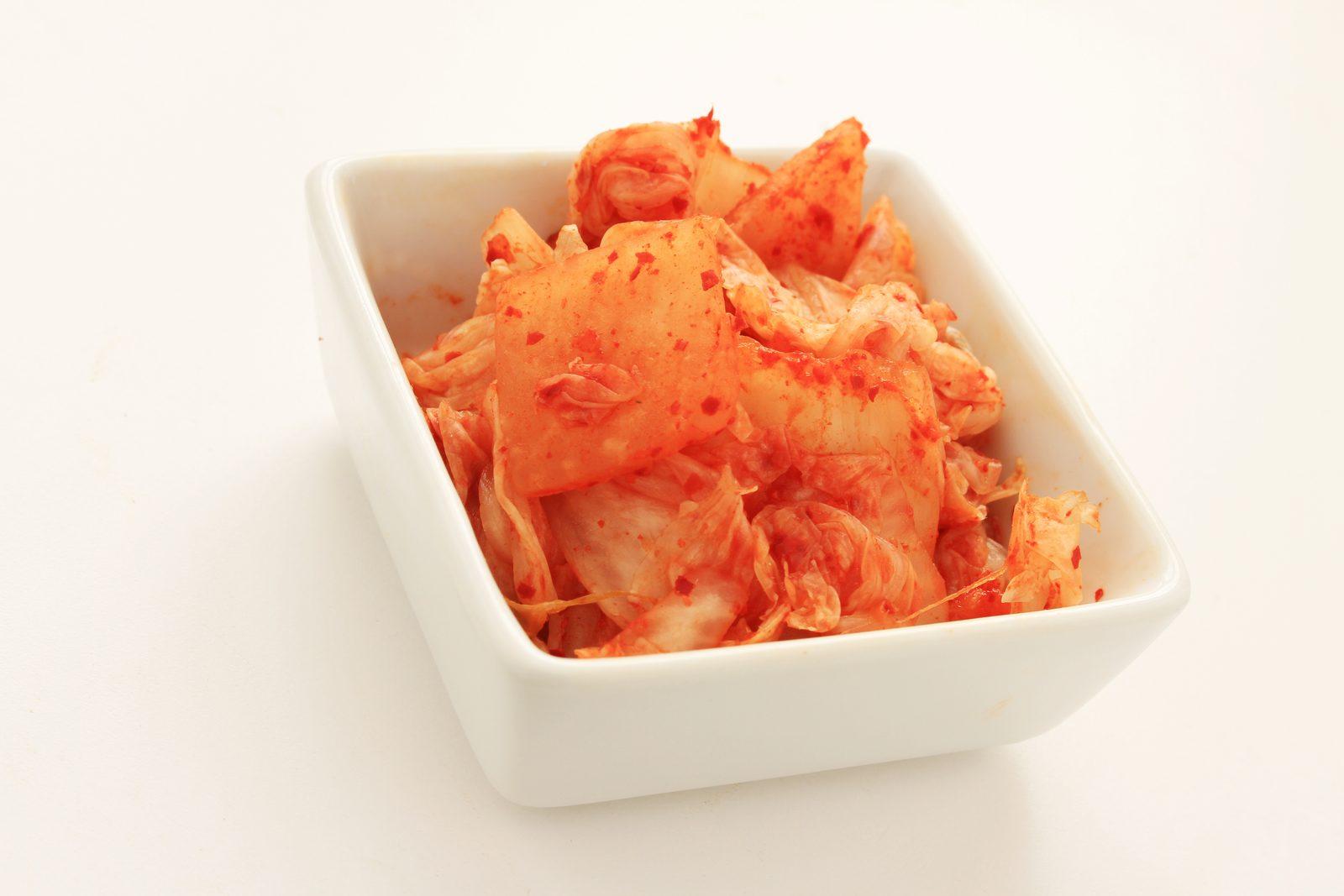
Delhi has been fermenting things long before the word 'probiotic' appeared on a supplement label. What nutritionists and gastroenterologists at AIIMS are increasingly telling patients is something the city's grandmothers already knew: the bacteria living in your gut respond well to foods that have been quietly transforming in a clay pot or a glass jar for 48 to 72 hours.
Gut microbiome research has accelerated sharply since 2022. A landmark analysis published in the journal Cell in late 2021, tracking 36 participants over 17 weeks, found that a diet high in fermented foods increased microbiome diversity and reduced 19 markers of inflammation. That single finding has since driven a wave of clinical interest across South Asian hospitals, where dietary interventions are being examined as adjuncts to treatment for conditions from irritable bowel syndrome to Type 2 diabetes. India carries one of the world's largest diabetes burdens, with the International Diabetes Federation estimating over 101 million cases nationally as of 2023.
What Delhi Already Has on Its Shelves
The good news: you do not need a specialty health store in Saket or an imported kefir kit from Amazon to eat for your gut. The raw material is already in the market, often at a fraction of what packaged probiotic supplements cost at pharmacies in Khan Market, where a 30-day supply of a mid-range probiotic capsule now retails for between ₹800 and ₹1,400.
Start with dahi. Real, traditionally set dahi, not the ultra-pasteurised tub from a supermarket shelf, contains live Lactobacillus cultures. At the Lodi Colony market, small dairy vendors still sell freshly set dahi in earthen matkas for roughly ₹60 to ₹80 per kilogram. The earthenware is not incidental: the porous clay allows microbial respiration that a plastic container does not. Nutritionists advise consuming it within 24 hours of setting for maximum live culture count.
Kanji is another native fermented drink with genuine credentials. Made from black carrots, mustard seeds, and water left to ferment for two to three days, it has historically been a winter staple across Delhi and Uttar Pradesh. Nehru Place's older wholesale spice section and parts of the Khari Baoli market in Old Delhi still stock the dried black carrots and mustard needed to prepare it at home. A batch sufficient for four people costs under ₹100 in ingredients.
Idli and dosa batter, fermented overnight from a ground rice-and-urad-dal mixture, appears ubiquitously across South Indian dhabas in Malviya Nagar and the CR Park neighbourhood. The fermentation process lowers the glycaemic response of the rice component, a detail that dietitians at Fortis Hospital, Vasant Kunj, have begun mentioning to patients managing blood sugar levels.
What to Watch For and What to Skip
Not everything labelled 'fermented' delivers live bacteria. Commercially produced pickles, the bulk of what appears in supermarket aisles across Connaught Place's retail outlets, are typically pasteurised after fermentation, which kills the organisms that make the product useful for gut health in the first place. Traditional achaar made with mustard oil, salt, and sun exposure, of the kind still sold loose in Old Delhi's Sitaram Bazaar, retains live cultures. The difference is visible: live-fermented pickle smells sharper, has no added vinegar in the ingredient list, and has not been heat-treated.
Kombucha has also arrived in Delhi. Brands like Bombucha and Raw Pressery now distribute through outlets in Hauz Khas Village and GK-II's N-Block market. A 330 ml bottle runs between ₹180 and ₹250, which makes it an expensive habit relative to homemade alternatives.
The practical path forward is straightforward. Incorporate one serving of a genuinely fermented food, dahi, kanji, live-culture achaar, or fermented idli batter, into the daily diet six days a week. Consistency matters more than volume. Anyone with a diagnosed gastrointestinal condition should speak with a doctor at a facility like AIIMS or Sir Ganga Ram Hospital before making significant dietary changes, since certain fermented foods can aggravate specific conditions. For everyone else, the Chandni Chowk pickle vendor has been running a functional gut-health clinic for decades. It just never had a name for it.