Delhi Metro Phase 4 Expansion: 106km New Corridors
Delhi Metro Phase 4 adds 106km across six corridors including Indore-Badarpur, Rohini extensions. Officials outline timelines for metro expansion and bus rapid transit upgrades.
Delhi Metro Phase 4 adds 106km across six corridors including Indore-Badarpur, Rohini extensions. Officials outline timelines for metro expansion and bus rapid transit upgrades.
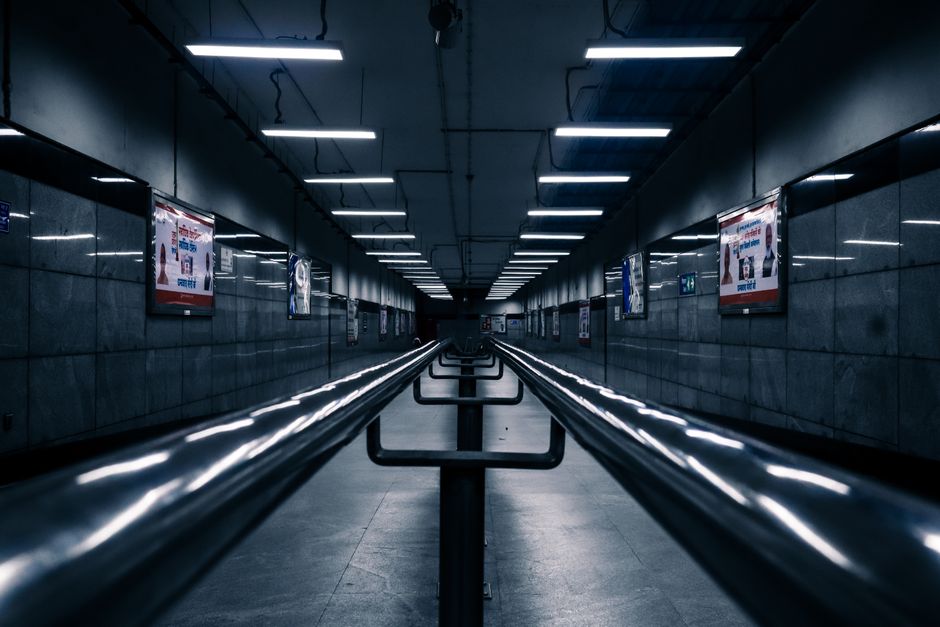
As Delhi confronts mounting congestion and air quality challenges, a constellation of government officials and transport experts are publicly backing an aggressive infrastructure modernisation agenda that could fundamentally reshape mobility across the National Capital Region.
The Delhi Metro Rail Corporation's ongoing Phase IV expansion—which aims to add 106 kilometres of track across six new corridors—remains the centrepiece of discussions among city administrators. Officials from the transport ministry have emphasised completion targets for critical segments, particularly the Indore-Badarpur corridor servicing south Delhi's underserved neighbourhoods, and extensions through Rohini and Dwarka that officials describe as essential for managing traffic pressure on Ring Road and NH-8 arterials.
Dr Anumita Roychoudhury, executive director of the Centre for Science and Environment, has repeatedly highlighted the correlation between public transport modal share and air quality metrics. "Cities that achieve 40 percent transit dependency see measurable pollution reduction," she stated in recent policy consultations, positioning Delhi's transport investments as environmental imperatives rather than merely convenience upgrades.
Meanwhile, the Bus Rapid Transit programme expansion along corridors including Ashram Chowk to Ghazipur and Karol Bagh to Safdarjung is drawing scrutiny from traffic management experts. The Delhi Traffic Police, collaborating with the Institute of Road Traffic Education, has publicly acknowledged capacity constraints at key interchanges near Chandni Chowk and ITO, signalling that complementary last-mile connectivity infrastructure remains critical.
Private sector involvement in Delhi's transport ecosystem has also become a focal point. Officials overseeing the goods and heavy vehicle movement plan have articulated plans to declutter inner-ring roads by establishing peripheral logistics hubs—a strategy aimed at addressing the 60,000-plus commercial vehicles navigating central Delhi daily, according to transport department data.
Cost transparency remains contentious. While metro corridor construction expenditure averages ₹300-400 crore per kilometre, administrators have defended these figures against parliamentary oversight, citing geological complexities and land acquisition challenges specific to Delhi's dense urban fabric.
Urban planning bodies have also flagged critical gaps. The Centre for Policy Research recently underlined the disconnect between transit-oriented development rhetoric and ground-level zoning enforcement near metro stations, particularly in corridors serving lower-income neighbourhoods.
As the capital enters the final quarter of 2026, the converging statements from officials, academics, and transport authorities paint a picture of determined ambition constrained by budgetary, administrative, and logistical realities—a tension that will define Delhi's transport trajectory for the coming decade.
This article was compiled by AI and screened before publishing. See our editorial standards.
How does this story make you feel?
Spread the word
About this article
Published by The Daily Delhi
Daily brief
Free, in your inbox before 7am. Weekdays.
More in News