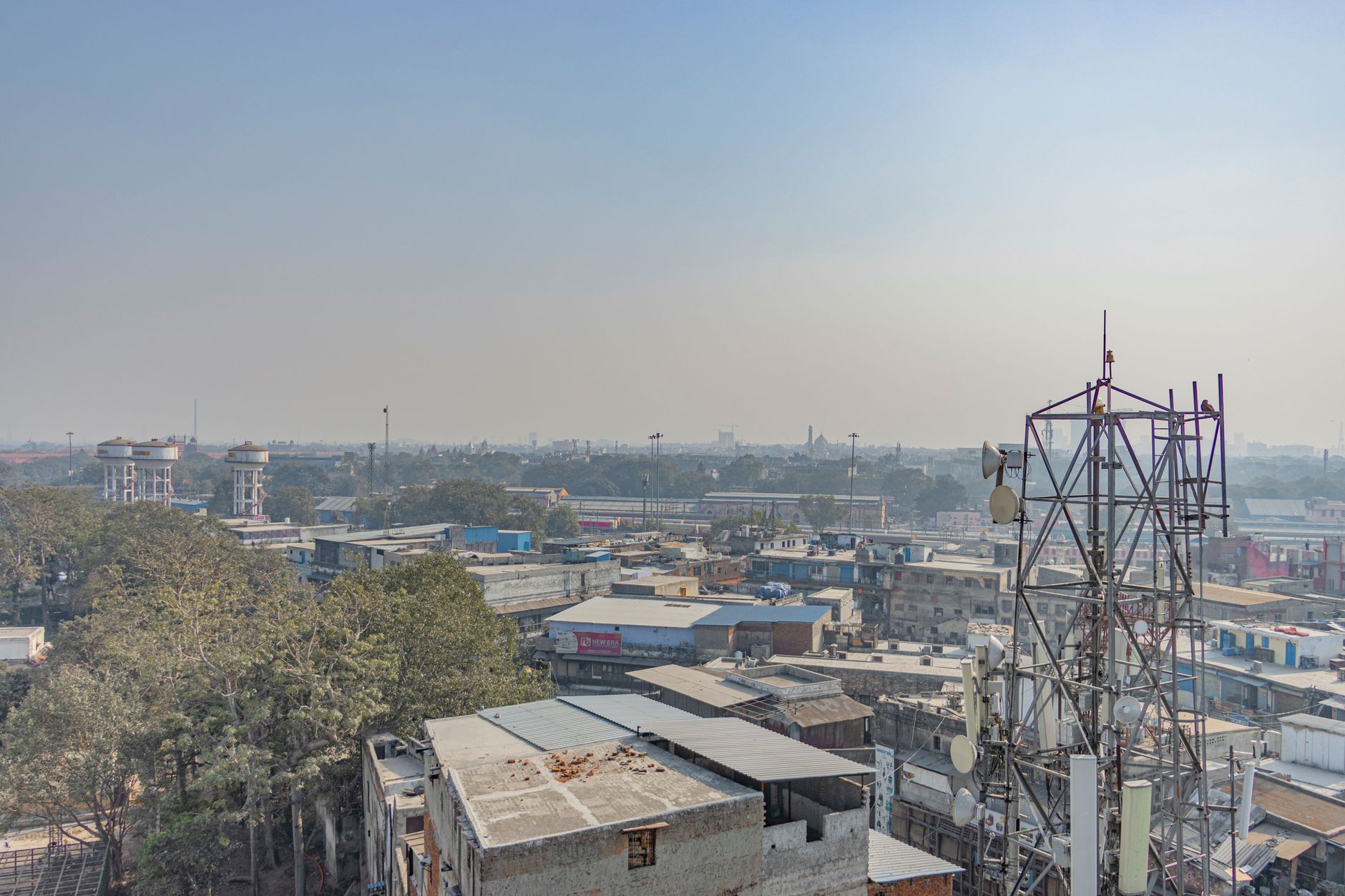
Waste Management in Gurgaon: How Communities Are Solving It
Gurgaon residents are reducing waste overflow by 35% through community-led segregation networks. Learn how grassroots initiatives near Sikanderpur are reshaping Delhi's waste crisis.
Gurgaon residents are reducing waste overflow by 35% through community-led segregation networks. Learn how grassroots initiatives near Sikanderpur are reshaping Delhi's waste crisis.
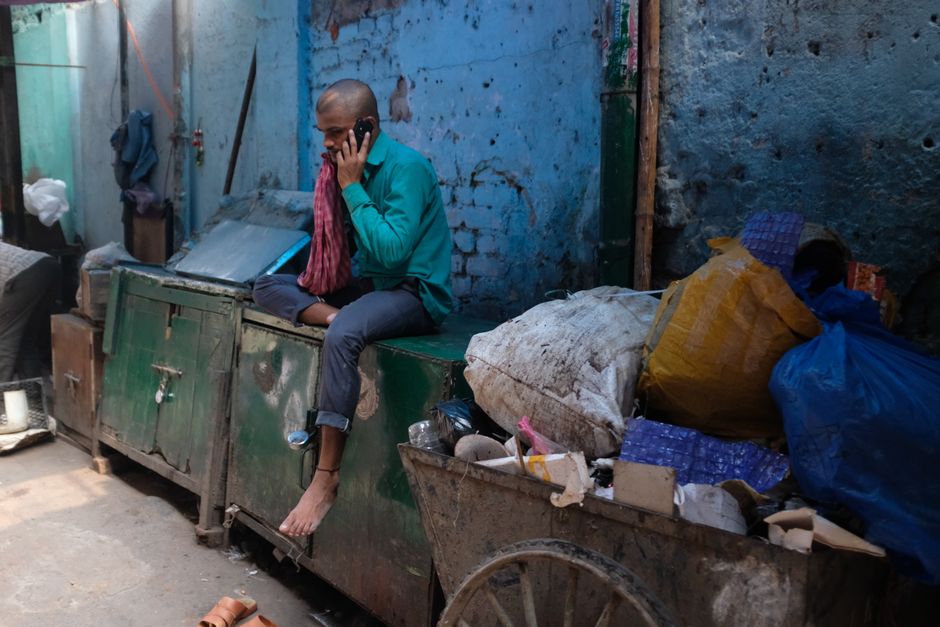
In the cramped lanes behind Sikanderpur Metro station in Gurgaon, Rajesh Kumar manages a daily operation that Delhi's waste management authorities have largely overlooked. Every morning, he and a network of roughly 40 residents sort, segregate, and redirect nearly 8 tonnes of household and commercial waste away from official dumpsites. What began three years ago as a neighbourhood frustration—overflowing bins and municipal apathy—has become a model that now influences how six adjacent localities approach their waste crisis.
The impact is measurable. Residents report a 35% reduction in bin overflow incidents since the initiative launched. Property values in the area have stabilized, and the notorious smell that once plagued morning hours has largely disappeared. Yet this success story, replicated quietly across South Delhi's Chhatarpur, East Delhi's Laxmi Nagar, and pockets of Dwarka, reveals a deeper structural problem: Delhi's municipal corporations are increasingly dependent on informal community networks to manage a crisis they cannot solve alone.
"We're not asking for recognition," says Kumar. "We just want the city to acknowledge that without these groups, the streets would be uninhabitable." His point gains weight when you consider the numbers. Delhi generates approximately 11,000 tonnes of waste daily, but official capacity falls short by nearly 2,000 tonnes. The gap is being absorbed by neighbourhood collectives operating without formal funding, training, or legal protection.
For residents, the stakes are immediate and tangible. A functioning community waste system correlates directly with lower disease rates, cleaner neighbourhoods, and—critically—preserved property valuations. In Malviya Nagar, where a similar initiative has operated for two years, school absenteeism due to water-borne illnesses dropped by 28% last year. Parents didn't have to campaign for this; the cleaner environment did the work.
But sustainability concerns loom. Burnout is real. Most volunteers receive no compensation, and municipal neglect means no backup if these initiatives falter. What happens when Kumar or the dozens like him across Delhi decide they can no longer volunteer their time?
The question matters because these grassroots networks have become invisible infrastructure. Policy-makers attending board meetings in Vikas Bhawan rarely see the residents of Sector 8, Dwarka, collecting recyclables or the morning teams in Rajouri Garden preventing sewage backups. Yet without them, Delhi's waste crisis would reach breaking point within weeks.
As the city expands, the choice becomes stark: formalize and fund these community systems, or watch neighbourhoods gradually deteriorate as volunteer fatigue sets in. For residents already living with compromised infrastructure, it's not an abstract policy debate. It's survival.
This article was compiled by AI and screened before publishing. See our editorial standards.
How does this story make you feel?
Spread the word
About this article
Published by The Daily Delhi
Daily brief
Free, in your inbox before 7am. Weekdays.
More in News