Delhi Green Roofs: How Hauz Khas Cut Energy Bills by 40%
South Delhi residents slash AC costs with rooftop gardens. Discover how community sustainability initiatives are improving air quality and lowering bills across neighbourhoods.
South Delhi residents slash AC costs with rooftop gardens. Discover how community sustainability initiatives are improving air quality and lowering bills across neighbourhoods.
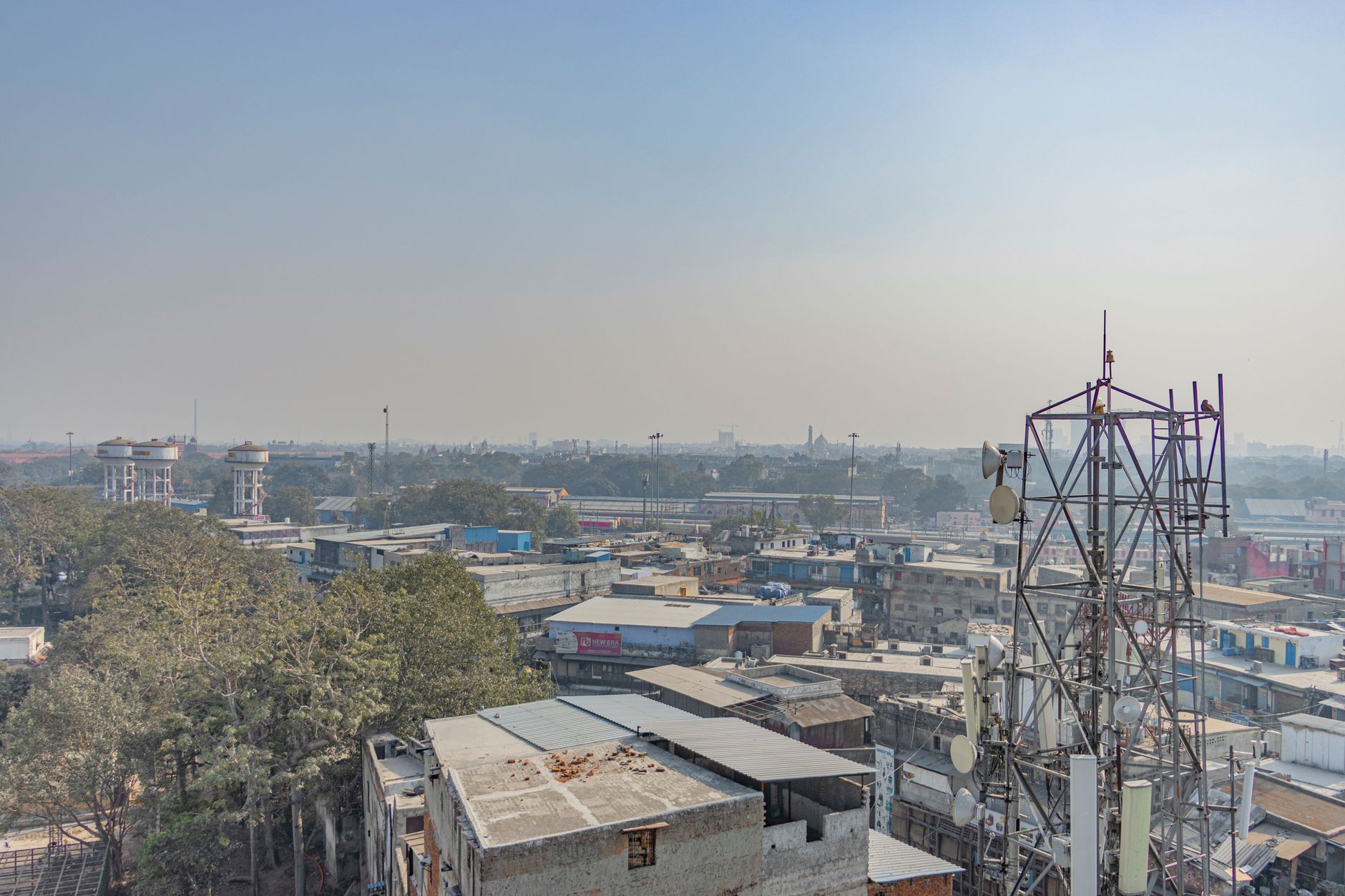
On a sweltering June afternoon in South Delhi, the rooftop garden atop a residential complex in Hauz Khas has become more than just an aesthetic addition—it's become a lifeline. Residents here have collectively installed 200 square metres of green space that has helped reduce building temperatures by up to 4 degrees Celsius, translating directly into lower electricity bills during the gruelling summer months when air conditioning costs can climb above ₹8,000 monthly for middle-class households.
This hyperlocal approach to sustainability is rippling across Delhi's neighbourhoods, and the numbers tell a compelling story for residents who have watched their city's air quality deteriorate and water resources strain. The Central Pollution Control Board recorded Delhi's average air quality index at 189 this June—classified as "unhealthy"—making sustainability initiatives not merely trendy but essential for families' health outcomes.
In East Delhi's Laxmi Nagar, a grassroots collective has transformed 12 community gardens across residential lanes, reducing waste by redirecting organic matter into composting systems. One resident noted that vegetable prices at local markets dropped by 15-20% when residents began growing seasonal produce domestically. More significantly, these spaces have become gathering points where apartment dwellers—historically isolated in individual units—now interact regularly.
The commercial implications are equally tangible. Small businesses along Chandni Chowk and in the markets of Karol Bagh have discovered that sustainable packaging and waste management reduce operational costs while attracting environmentally conscious customers willing to pay premium prices. A neighbourhood restaurant owner reported a 30% revenue increase after implementing zero-plastic packaging and composting waste on-site.
Beyond economics, the health dimension cannot be understated. Neighbourhoods where green cover has increased—such as parts of Mehrauli and Defence Colony—have reported improved respiratory health markers in children, according to informal community health surveys. Every tree planted along major thoroughfares like Ring Road contributes to cleaner air and cooler microclimates.
Yet barriers remain substantial. Many sustainability initiatives depend on voluntary participation, and in a city where daily survival often takes precedence, environmental consciousness requires genuine tangible benefits. Water scarcity in areas like Rohini means that water-saving irrigation systems aren't luxuries—they're necessities that determine whether community gardens survive monsoon to monsoon.
What distinguishes Delhi's emerging sustainability movement is its grassroots character. Unlike top-down policies, these initiatives emerge from residents themselves recognizing that cleaner air, cheaper utilities, fresher food, and stronger communities are interdependent outcomes, not separate goals.
This article was compiled by AI and screened before publishing. See our editorial standards.
How does this story make you feel?
Spread the word
About this article
Published by The Daily Delhi
Daily brief
Free, in your inbox before 7am. Weekdays.
More in News