Delhi Schools Grapple With Fee Caps, Teacher Shortages in 2026-27
New academic year brings curriculum reforms and affordability rules that could reshape how Delhi's schools operate and teach students.
New academic year brings curriculum reforms and affordability rules that could reshape how Delhi's schools operate and teach students.
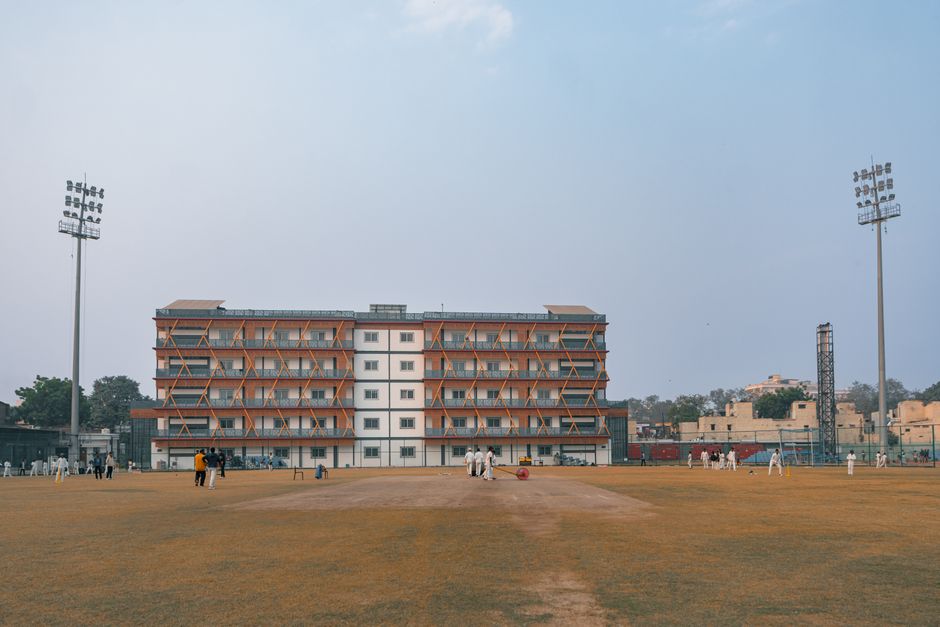
Delhi's education ecosystem stands at a decisive juncture. With the new academic session just weeks away, schools across South Delhi, East Delhi, and the sprawling National Capital Region face mounting pressure to navigate three interconnected challenges: implementing revised board examination formats, adhering to stricter fee regulations, and plugging a widening teacher shortage that has left classrooms across neighbourhoods like Dwarka and Rohini understaffed.
The Delhi School Education Board and Central Board of Secondary Education have signalled significant changes to assessment methodologies beginning this year, shifting away from heavy rote-learning emphasis towards competency-based evaluation. Schools from prestigious institutions along Mathura Road to government facilities in outer Delhi must now decide how aggressively to restructure curricula and invest in teacher training. The cost implications are substantial—comprehensive professional development programmes can strain budgets already stretched thin.
Simultaneously, the Delhi government's stricter fee-capping framework, which limits annual increases to 5 percent across private schools, has forced difficult conversations about sustainability. Schools in pricier zones like Greater Kailash and Defence Colony, where annual fees already reach ₹2.5 to 4 lakh at top institutions, must balance investor expectations with regulatory compliance. Middle-tier schools operating in areas like Laxmi Nagar and Karol Bagh face even tighter margins.
The teacher recruitment crisis demands immediate action. Delhi's government schools require at least 8,000 additional educators across primary and secondary levels, according to recent administrative data. Many schools have resorted to temporary contractual staff to fill gaps, compromising educational quality. Universities in the North Campus and South Campus regions also grapple with faculty vacancies, affecting postgraduate programmes and research initiatives.
The Delhi High Court's pending decision on whether schools must mandatorily reserve seats for economically weaker sections will likely reshape admissions processes across the city's 7,000-plus schools. This ruling could fundamentally alter the demographic composition of classrooms in affluent neighbourhoods while extending opportunities in under-resourced areas.
Education policymakers must urgently clarify implementation timelines for board reforms, establish transparent fee-adjustment mechanisms, and expedite teacher recruitment cycles. Schools need certainty before July enrolment begins. Universities, meanwhile, must decide whether to expand online offerings or prioritise campus-based learning post-pandemic.
The decisions made in the coming weeks will ripple through Delhi's education system for years. Whether the capital's institutions rise to these challenges or stumble will determine whether the next generation of Delhi students receives world-class education or merely adequate instruction.
This article was compiled by AI and screened before publishing. See our editorial standards.
How does this story make you feel?
Spread the word
About this article
Published by The Daily Delhi
Daily brief
Free, in your inbox before 7am. Weekdays.
More in News