Delhi Zoning Changes Spark Mid-Income Housing Crisis
DDA's new regulations in East Delhi and Dwarka drive up rents, threatening displacement of thousands of middle-class families.
DDA's new regulations in East Delhi and Dwarka drive up rents, threatening displacement of thousands of middle-class families.
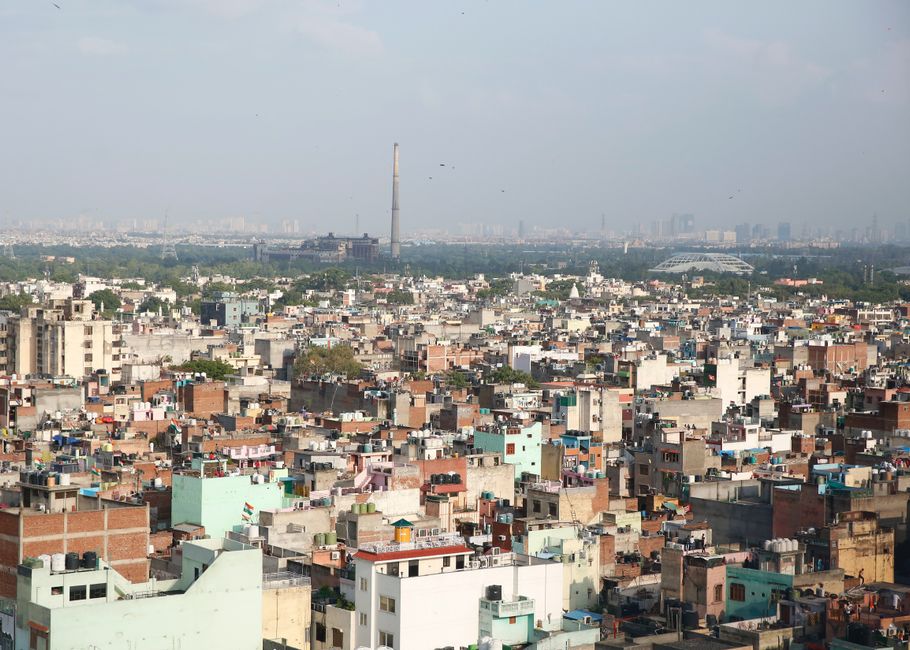
When the Delhi Development Authority announced revised housing policy guidelines last month, most residents scrolled past the bureaucratic language without realising they were reading the script for their own displacement. For families in neighbourhoods like Laxmi Nagar, Greater Kailash, and the sprawling colonies of Dwarka, these planning decisions aren't abstract urban design—they're a direct threat to affordability and community stability.
The numbers tell a stark story. Average rental prices in East Delhi have surged 35% in just eighteen months, according to property monitors tracking the region. A two-bedroom apartment in Preet Vihar that rented for ₹18,000 monthly in 2024 now commands ₹24,000. Meanwhile, the DDA's new mixed-use development zones—which incentivise commercial real estate over affordable housing—have accelerated this trend. Developers see higher returns converting residential areas into retail and office spaces, particularly along the Delhi-Meerut Expressway corridor.
The policy shift affects real people living real lives. Schoolteachers, nurses, junior civil servants, and small business owners—the backbone of Delhi's middle class—now face an impossible choice: pay an ever-larger share of income for rent, or relocate to peripheral areas like Noida or Greater Noida, extending commutes to two hours daily. The psychological toll compounds the financial burden. Families uprooted from Kasturba Nagar or Alaknanda lose established social networks, neighbourhood schools their children have attended for years, and community institutions that took decades to build.
What makes this crisis particularly urgent is the absence of adequate low-cost housing alternatives. While the DDA approved 50,000 housing units across Dwarka Extension and South Delhi, over 70% fall in the middle and upper-income categories. The aspirational mixed-income projects—theoretically designed to include affordable units—consistently underdeliver, with market-rate apartments cannibalising promised subsidised housing.
Community organisations like the Delhi Residents Association Federation have begun mobilising resistance, demanding that planners mandate 30% affordable housing in new developments and strengthen rent control protections. Their argument resonates: thriving cities require economic diversity. When teachers and nurses cannot afford to live where they work, urban services collapse from the ground up.
The DDA's planning decisions won't change overnight—bureaucratic processes move glacially in Delhi. But residents watching their neighbourhoods transform cannot wait for studies and committee meetings. The housing policy decisions being made today will determine whether Delhi remains a city for all income brackets or exclusively for the wealthy. For thousands of families, that distinction is no longer abstract. It is survival.
This article was compiled by AI and screened before publishing. See our editorial standards.
How does this story make you feel?
Spread the word
About this article
Published by The Daily Delhi
Daily brief
Free, in your inbox before 7am. Weekdays.
More in News