Delhi's chronic housing shortage has reignited a fierce debate among policymakers and urban experts, with officials and academics offering starkly different visions for tackling one of the capital's most pressing challenges.
The contours of the dispute have crystallized around competing priorities: rapid densification versus livability, commercial viability versus social housing mandates. Recent data showing residential property prices in South Delhi's premium zones—including Malviya Nagar and Greater Kailash—exceeding ₹1.2 crore per unit has underscored the widening affordability gap for middle and lower-income residents.
Municipal and development authorities have emphasized accelerated approvals for residential projects under the revised Master Plan framework, pointing to thousands of pending applications in areas like Dwarka and the newly opened sectors near Noida's border. Officials argue that streamlining clearances will unlock supply and moderate prices through market mechanisms.
However, housing rights advocates and independent urban researchers have pushed back, contending that liberalized zoning alone won't address displacement pressures in established neighbourhoods. They cite the ongoing redevelopment controversies in older east Delhi colonies—where heritage structures and community networks face pressure—as evidence that growth must balance heritage preservation with new housing stock.
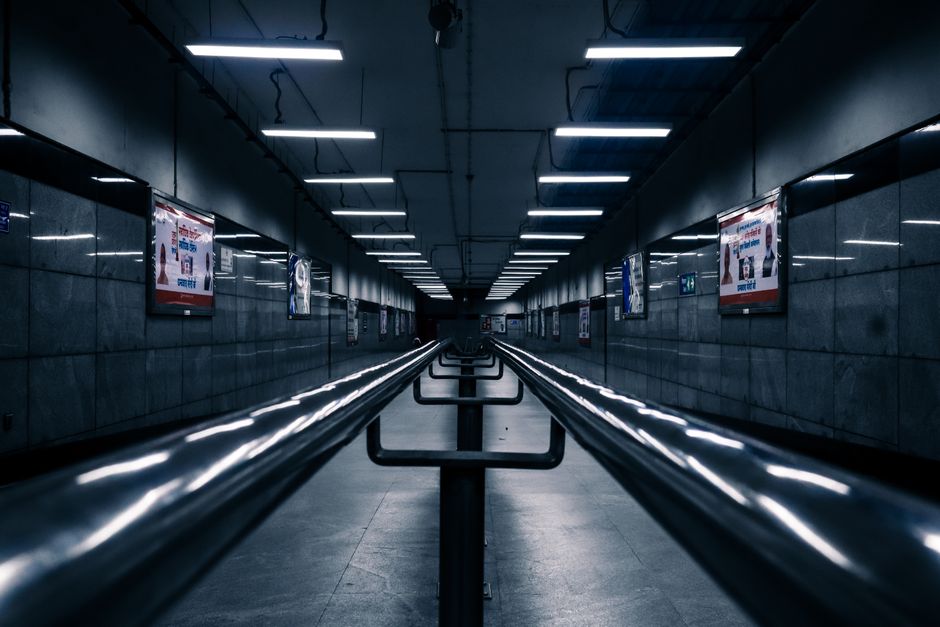
The debate has also turned on transit-oriented development, with the Delhi Metro Rail Corporation and city planners promoting mixed-use projects around stations like those on the Purple Line extension. Yet some academics worry this approach may primarily benefit affluent buyers while transit benefits escape lower-income populations who face relocation pressures.
A particular flashpoint is the proportion of affordable housing mandates in new private developments. While the Delhi Development Authority has maintained a 30% affordable quota requirement, builders and some officials have called for flexibility, citing project viability concerns. Housing nonprofits, by contrast, argue that exemptions and waivers have consistently undermined affordability targets.
Infrastructure coordination remains another friction point. Experts have noted that residential expansion in peripheral areas—Mehrauli-Badarpur, parts of outer Rohini—has outpaced water, sewage, and electricity capacity, creating bottlenecks. Officials counter that phased infrastructure investment will follow demand.
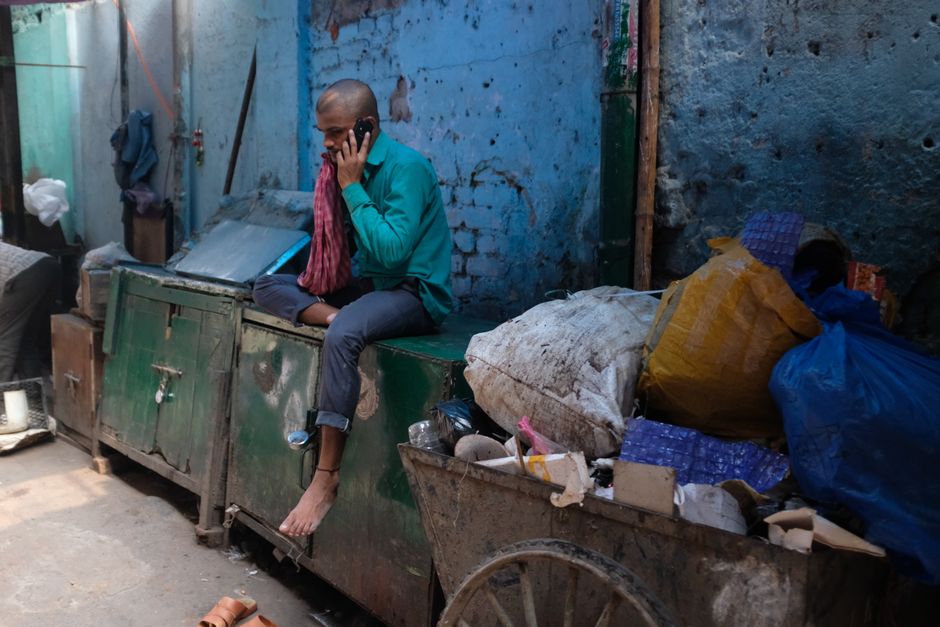
Meanwhile, the encroachment and informal settlement question looms large. With an estimated 1.7 million persons living in unauthorized colonies and slums across Delhi, policymakers remain divided between in-situ rehabilitation models and relocation schemes, with each approach carrying profound social and fiscal implications.
As the city grapples with projected growth to 37 million residents by 2051, the gap between official optimism and expert caution shows no sign of narrowing.
This article was compiled by AI from the sources linked above and screened before publishing. See our editorial standards.