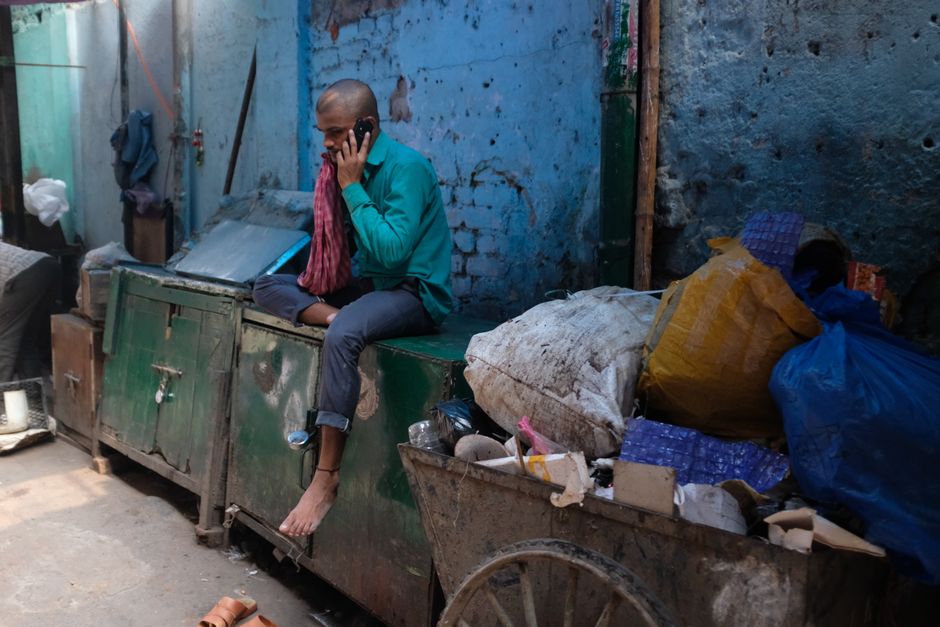
On a recent morning in Connaught Place, sanitation workers collected segregated waste from colour-coded bins—a scene that would have been unimaginable in Delhi five years ago. Today, the city's waste management overhaul represents one of India's most ambitious environmental pushes, yet experts warn it remains far behind peer cities like Singapore and Barcelona in execution and scale.
Delhi's three major waste-to-energy plants, processing roughly 2,000 tonnes daily, mark genuine progress. The Ghazipur facility alone handles 1,200 tonnes—compared to just 100 tonnes a decade ago. Yet the city still struggles with only 65% waste segregation compliance, lagging behind Seoul's 85% and Munich's 90%. The challenge is stark: with 27,000 tonnes generated daily, even ambitious targets leave significant gaps.
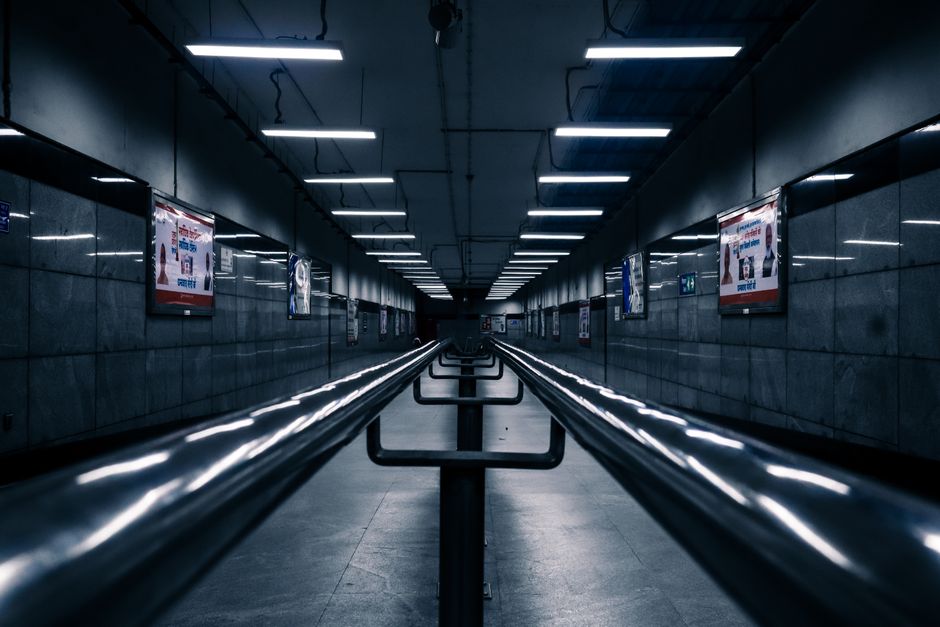
Public transport remains Delhi's environmental battleground. The Delhi Metro's expansion to 392 kilometres by 2026 positions it competitively against systems like Madrid's (294 km) and Copenhagen's (68 km). Bus Rapid Transit corridors now span 128 kilometres across Delhi's arterial roads—from ITO to Dwarka, from Faridabad Border to outer Ring Road. Yet private vehicle registrations continue climbing at 9% annually, offsetting transit gains that cities like Vienna and Amsterdam have successfully reversed.
Water conservation efforts in South Delhi's premium colonies demonstrate what's possible. Rainwater harvesting installations in Safdarjung and Greater Kailash neighbourhoods have reduced municipal water dependency by up to 40% in participating households. This mirrors initiatives in Barcelona and Cape Town, though Delhi's scaling remains limited to affluent areas. Widespread adoption across peripheral settlements like Rohini and Dwarka lags considerably.
The air quality picture is similarly mixed. Real-time pollution monitors across 38 locations throughout Delhi show seasonal improvement—winter AQI levels have dropped from 450+ in 2015 to 250-350 today. Yet this remains double London's typical winter readings. Industrial relocation from East Delhi has helped; closing polluting units near Okhla and shifting them southward reduced local particulate matter by 35% since 2022.
Delhi's emerging solar capacity—175 MW installed across government buildings and rooftops—represents 2% of total consumption, considerably behind Germany's 11% or Australia's 12%. Rooftop schemes in Chanakyapuri and Defence Colony show promise, yet bureaucratic hurdles limit residential uptake compared to streamlined programs in Copenhagen and Berlin.
The verdict: Delhi is moving, but unevenly. Where resources concentrate—Metro expansion, institutional waste management—progress mirrors global standards. Where implementation depends on mass behaviour change—segregation, transit adoption, renewable energy—the city lags. Without bridging that gap, Delhi risks becoming a tale of two cities: sustainable enclaves amid sprawling, high-impact peripheries.
This article was compiled by AI from the sources linked above and screened before publishing. See our editorial standards.