Delhi's Green Race: How India's Capital Stacks Up Against Global Sustainability Leaders
While cities like Copenhagen and Singapore set the pace on climate action, Delhi is charting its own path—with mixed results.
While cities like Copenhagen and Singapore set the pace on climate action, Delhi is charting its own path—with mixed results.
As Delhi grapples with air quality that regularly ranks among the world's worst, the city's environmental officials are increasingly looking over their shoulders at how global peers are tackling sustainability. The comparison is both sobering and instructive.
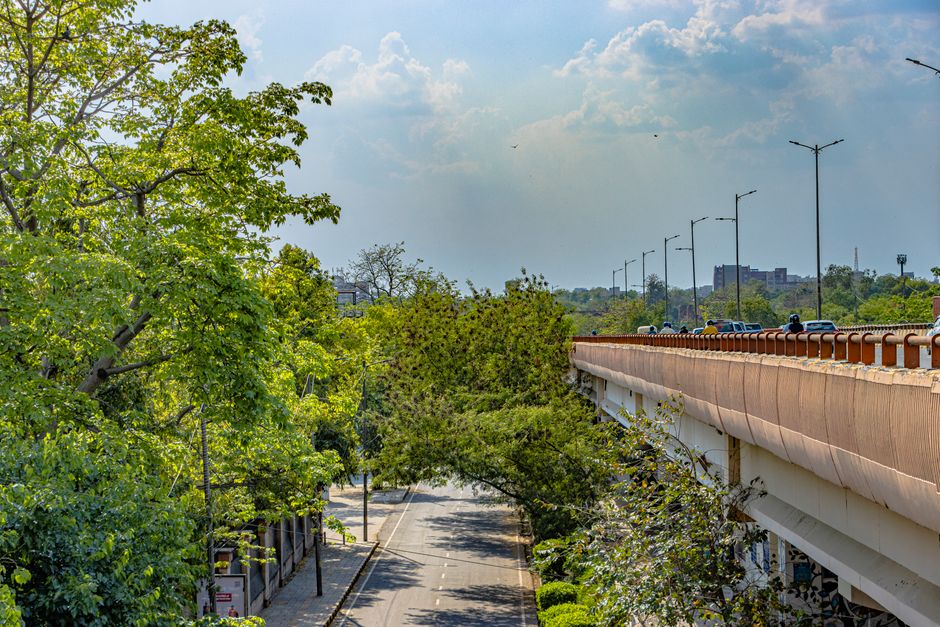
The capital's 2021 tree-planting initiative, which aimed to add 2 million trees across neighbourhoods from Dwarka to Rohini, has achieved roughly 60% of its goal—a performance that trails behind similar urban forestry projects in cities like Melbourne, which exceeded its tree-planting targets by 15% in 2024. Meanwhile, Copenhagen's integration of green roofs across 8% of the city's building stock has inspired Delhi's municipal authorities to pilot rooftop gardens in South Delhi's Mehrauli area, though uptake remains limited at under 2% of eligible structures.
On public transport, Delhi's metro system—now spanning over 250 kilometres—represents genuine progress comparable to Shanghai's rapid transit network. Yet the last-mile connectivity remains weak. While Singapore has achieved 75% of commute journeys via public transport through integrated bus-metro systems, Delhi's equivalent figure hovers around 35%, hampered by infrastructure gaps between neighbourhoods like Karol Bagh and peripheral areas.
Water management tells a similar story of ambition outpacing execution. The Delhi Jal Board's groundwater recharge initiatives around Yamuna floodplains mirror Barcelona's wetland restoration efforts, but leakage rates—estimated at 48% of distributed water—exceed Barcelona's 6% significantly. Residential water prices remain subsidised at ₹5-7 per 1,000 litres in middle-income areas, compared to demand-reflective pricing in cities like Melbourne, which charges AUD 2.50 per 1,000 litres.
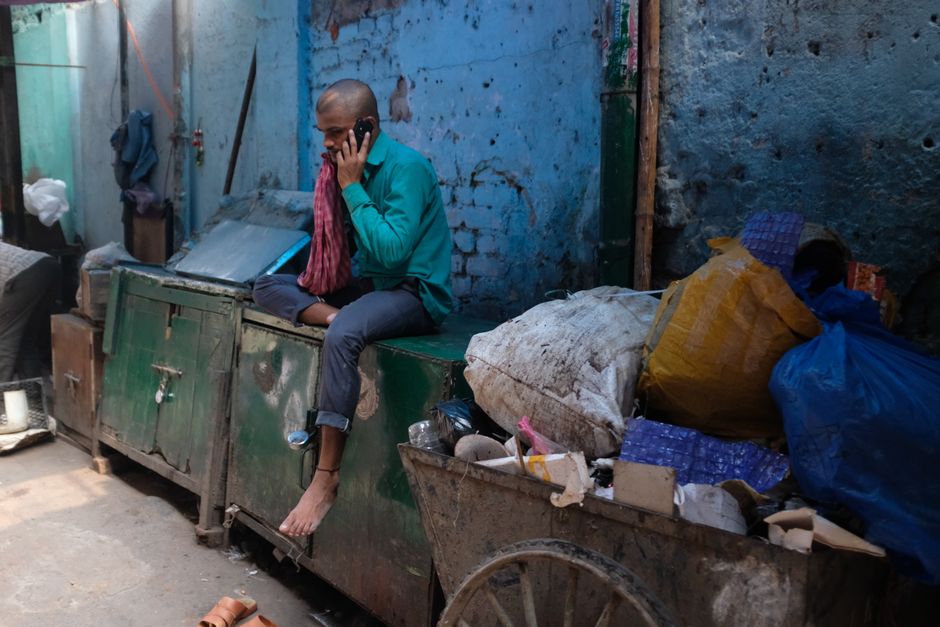
Where Delhi shows genuine competitive advantage is in informal sector innovation. The city's network of registered waste-pickers and community recycling centres in areas like Kabadiwalon ka Bazaar rivals formal systems in developed nations. Approximately 25,000 registered waste collectors manage nearly 8,000 tonnes daily, a model that attracts research interest from European municipalities seeking alternatives to centralised systems.
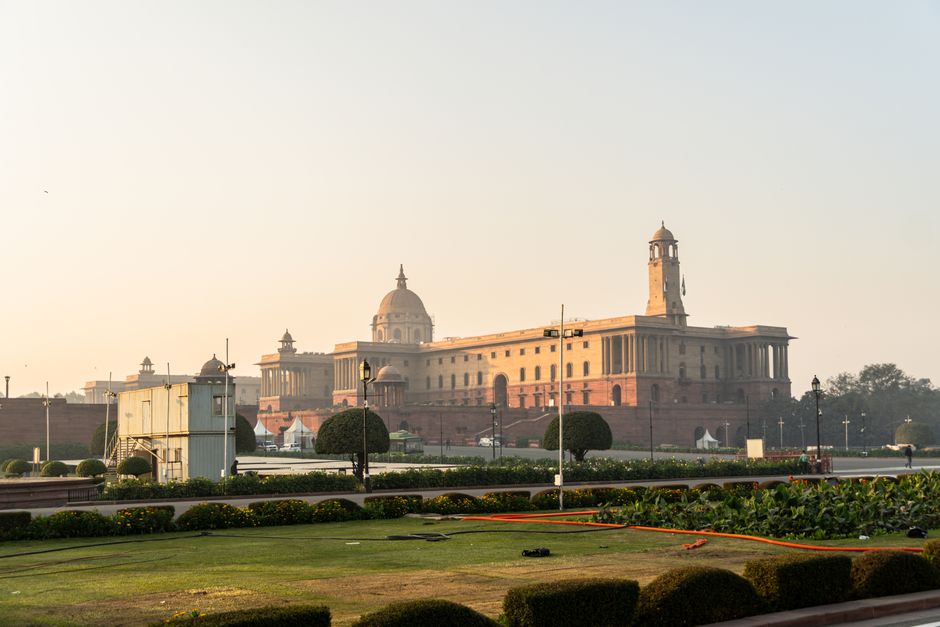
The city's renewable energy capacity has doubled since 2022, with solar installations on government buildings—including those around Lutyens' Delhi—contributing 200 megawatts. Yet this represents just 3% of Delhi's peak demand, versus Copenhagen's 80% wind and solar mix.
Environmental experts suggest Delhi's path forward requires neither copying Copenhagen wholesale nor celebrating informal sector innovations uncritically. Instead, they argue, the city must accelerate metro expansion, implement water-pricing reforms, and scale rooftop gardens—measures that suit Delhi's density and resources rather than mimicking wealthier cities' models.
This article was compiled by AI from the sources linked above and screened before publishing. See our editorial standards.
How does this story make you feel?
Spread the word
About this article
Published by The Daily Delhi
Daily brief
Free, in your inbox before 7am. Weekdays.
More in News