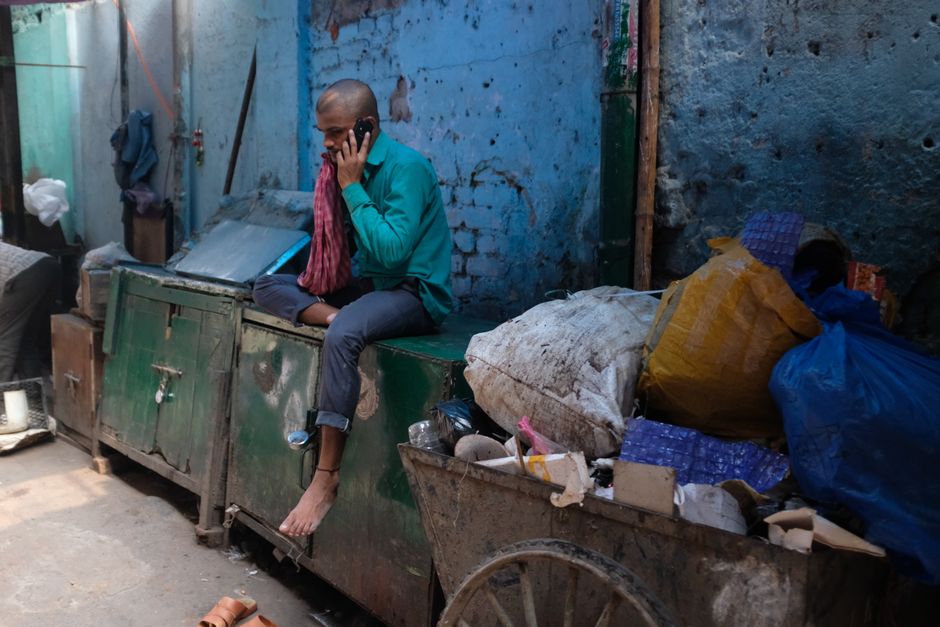
Walking through the narrow lanes of Jhilmil Colony in East Delhi on a sweltering June afternoon, the hum of construction equipment mingles with the calls of vendors selling tea for ₹10 a cup. This neighbourhood, like many across the capital, has transformed into a major hub for migrant workers—yet the voices of those living here remain largely absent from policy conversations.
According to recent data from the Delhi Urban Shelter Improvement Board, the capital hosts approximately 8.5 million migrants, with internal migration accounting for roughly 45% of Delhi's population growth over the past five years. Yet community members interviewed across three neighbourhoods—Jhilmil Colony, Shadpur Village, and the Walled City—paint a picture of systemic gaps in support structures.
Housing remains the most pressing concern. A survey of residents near Hanuman Road in Jhilmil, conducted by the Migration Research Institute, found that 62% of migrant households spend between 35-50% of their monthly income on rent, often living in shared single-room accommodations. Meanwhile, access to healthcare proves equally challenging. The nearest government health centre, located near Bhajanpura, services over 15,000 registered migrants but operates with chronic staff shortages.
"We send money home, we work 12 hours a day, but when someone falls sick, we don't know where to go," says a community elder from Shadpur Village who requested anonymity, reflecting concerns echoed across multiple interviews. Workplace safety presents another critical issue. Unregistered construction sites throughout East and Northeast Delhi continue operating without proper labour agreements, leaving workers vulnerable.
The All India Migrant Workers Forum, headquartered near Daryaganj, estimates that fewer than 20% of migrant workers in Delhi hold formal employment contracts. This leaves them ineligible for government schemes including the Building and Other Construction Workers (BOCW) Act benefits.
However, grassroots organisations are stepping in. The Delhi Migrant Support Network, operating from a modest office near CP Block in Shadpur, has registered over 3,000 workers this year, providing documentation assistance and legal guidance. Their impact, though significant, underscores the scale of unmet need.
Community members and advocates increasingly demand recognition in municipal planning. "We build this city's infrastructure, yet our voices don't appear in ward committees or development proposals," notes a migrant rights activist working across multiple colonies. With Delhi's migrant population projected to reach 10 million by 2028, these voices insist that policymakers can no longer afford to ignore their presence—or their needs.
This article was compiled by AI from the sources linked above and screened before publishing. See our editorial standards.