From Crisis to Action: How Delhi's Worsening Air Quality Forced a Sustainability Reckoning
Decades of unchecked industrial growth and vehicular pollution have finally prompted the capital to reimagine its environmental future.
Decades of unchecked industrial growth and vehicular pollution have finally prompted the capital to reimagine its environmental future.
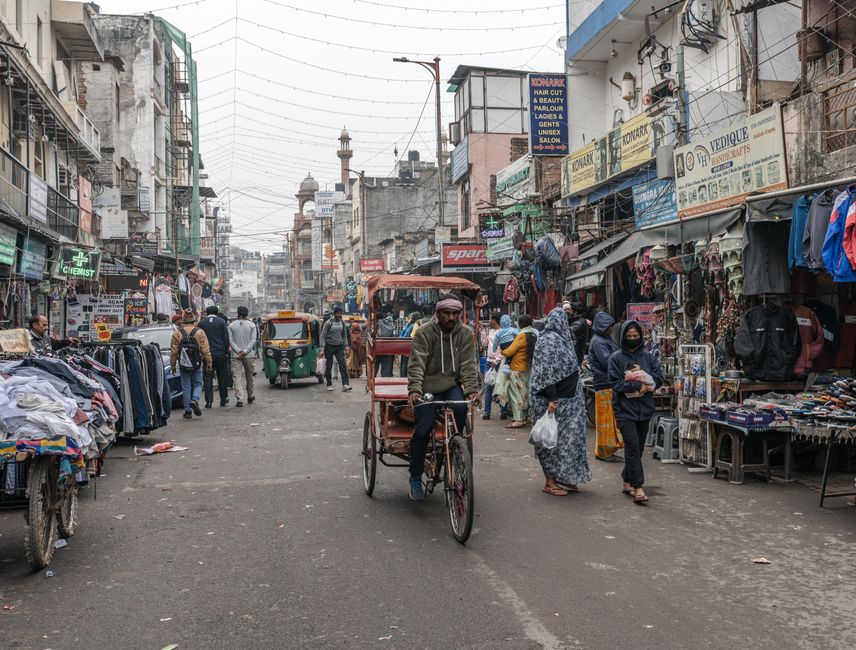
Delhi's journey toward meaningful sustainability initiatives did not emerge from idealism—it came from desperation. For nearly three decades, the city has grappled with some of the world's worst air quality indices, a problem that intensified dramatically through the 2010s as the metropolitan area's population swelled to nearly 30 million and vehicular traffic ballooned from 3.5 million vehicles in 2010 to over 13 million by 2024.
The turning point arrived quietly, marked not by policy announcements but by public visibility of crisis. Winter mornings in 2018-2019 saw AQI readings regularly exceed 400—hazardous levels—turning Lutyens' Delhi's tree-lined avenues into grey corridors and forcing schools near Connaught Place and East Delhi industrial zones to shift to online classes for weeks. By 2021, the Indian Council of Medical Research estimated that air pollution was responsible for over 1.2 million premature deaths annually across India, with Delhi accounting for a disproportionate share.
The industrial landscape surrounding Delhi amplified the crisis. Factories in Wazirpur, Okhla, and Narela—once peripheral manufacturing hubs—found themselves increasingly embedded within residential zones as the city expanded chaotically. Construction debris, vehicle emissions, and crop-burning in neighbouring Punjab contributed roughly 40 percent of winter pollution, yet within Delhi's boundaries, transportation accounted for nearly 25 percent of particulate matter.
This convergence of problems finally shifted political calculus. Successive administrations recognized that environmental degradation was no longer an abstract concern but an existential economic threat—real estate values stagnated in heavily polluted zones, multinational companies hesitated over relocation, and Delhi's international standing deteriorated.
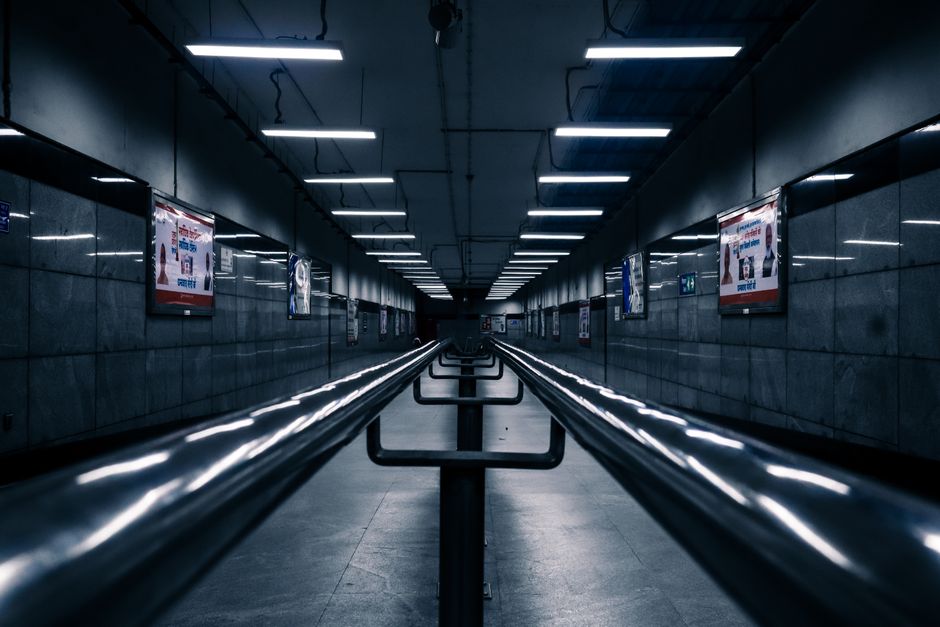
By the early 2020s, awareness campaigns proliferated across south Delhi neighbourhoods, metro stations at Rajiv Chowk began promoting electric vehicles, and the Delhi Pollution Control Committee tightened enforcement on industrial units. The Bus Rapid Transit system, initially criticized for inefficiency, gained traction as authorities recognized transit's role in reducing per-capita emissions. Simultaneously, corporate sustainability initiatives began emerging—not from environmental conviction alone, but from recognition that environmental degradation posed direct business risks.
Today's sustainability initiatives—from the Metro's solar panel installations to waste segregation programs in Dwarka—exist within this context of accumulated pressure. They represent not a sudden awakening but the inevitable response to years of visible, measurable crisis that affected middle-class Delhi's daily reality: dirty windows, respiratory problems, and headlines that damaged the city's global image.
Understanding this trajectory reveals a difficult truth: Delhi's environmental turn came only after crisis became undeniable.
This article was compiled by AI from the sources linked above and screened before publishing. See our editorial standards.
How does this story make you feel?
Spread the word
About this article
Published by The Daily Delhi
Daily brief
Free, in your inbox before 7am. Weekdays.
More in News