From Classroom Crisis to Digital Push: How Delhi's Schools Reached Their Breaking Point
A decade of infrastructure neglect, pandemic disruption, and rapid urbanisation has forced the capital's education sector into an unprecedented transformation.
A decade of infrastructure neglect, pandemic disruption, and rapid urbanisation has forced the capital's education sector into an unprecedented transformation.
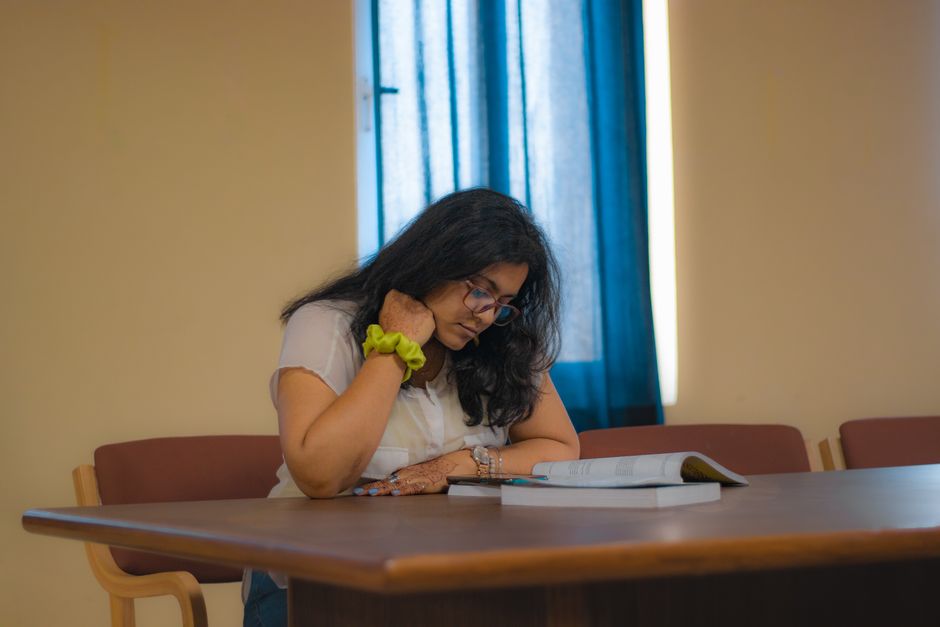
Delhi's education system stands at a crossroads. Walk through the lanes of Old Delhi or the sprawling residential colonies of South Delhi, and the contrasts tell a story of institutional strain accumulated over years. The pathway to this moment—where schools are grappling with outdated facilities, teacher shortages, and the need to rapidly digitise—is rooted in decisions, delays, and demographic pressures that have compounded since the mid-2010s.
The foundation of today's crisis was laid during the 2015-2020 period. While Delhi's population swelled by over 15 per cent, school infrastructure growth limped along. Government schools in areas like Rohini, Dwarka, and East Delhi's newer colonies operated far beyond capacity. Class sizes ballooned to 50-60 students per room—well above the National Council of Educational Research and Training (NCERT) guideline of 35-40 students. Private school fees, meanwhile, escalated from an average ₹80,000-1,20,000 annually to ₹2-3 lakh by 2023, pricing out middle-class families across South Extension, Defence Colony, and Vasant Kunj.
The 2020 pandemic accelerated existing fractures. Schools on Mehrauli Road and in Gurgaon-adjacent Delhi neighbourhoods were among the last to reopen, closing for nearly 18 months. Learning loss was substantial—studies documented a two-year academic lag, particularly in government schools where digital access was scarce. While private institutions near Connaught Place and in Malviya Nagar transitioned swiftly to online learning, their government counterparts in Outer Delhi struggled with no laptops, poor broadband, and teachers unfamiliar with virtual platforms.
The teacher deficit worsened the situation. Delhi's schools faced nearly 20,000 vacant teaching positions by 2024, with recruitment processes stalled for years. Universities including Delhi University's North and South campuses saw post-doctoral positions frozen, affecting research initiatives and academic morale. The promised recruitment drive in 2023 filled only a fraction of vacancies, leaving institutions like government schools in Badarpur and Kalkaji understaffed.
Infrastructure maintenance became secondary to immediate demands. Colleges along University Avenue and scattered across Delhi's periphery operated with aging buildings, leaking roofs, and inadequate laboratory equipment. Exam halls at Indraprastha College for Women and other institutions faced chronic scheduling issues due to space constraints.
This accumulated strain—demographic pressure, pandemic disruption, funding constraints, and delayed recruitment—forced Delhi's education stakeholders to pivot. Schools now race to integrate technology, prioritise teacher training, and reimagine classroom delivery. Whether these interventions reverse years of institutional decay remains the question shaping Delhi's educational future.
This article was compiled by AI from the sources linked above and screened before publishing. See our editorial standards.
How does this story make you feel?
Spread the word
About this article
Published by The Daily Delhi
Daily brief
Free, in your inbox before 7am. Weekdays.
More in News