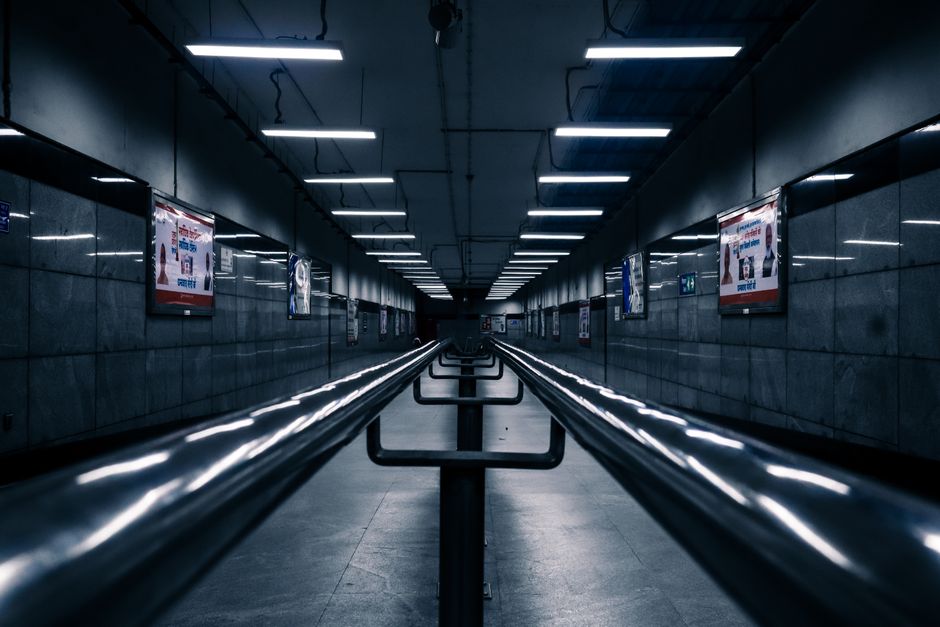
The Delhi Metro's arrival at Aerocity three years ahead of schedule seemed to signal a shift in the capital's notoriously sluggish infrastructure delivery. Yet walk through Connaught Place today and the reality is more complicated: while some projects sprint forward, others remain mired in the bureaucratic delays that have long defined Indian infrastructure.
Delhi's current transport challenge is staggering in scale. The city needs to move 18 million daily commuters across an area of nearly 1,500 square kilometres. The metro system, which carries 6.5 million passengers daily, is expanding aggressively—three new lines under construction will add 60 kilometres by 2028. Compare this to Singapore's Land Transport Authority, which completed its Cross Island Line ahead of schedule in 2024, or Shanghai's metro, which added 500 kilometres in just over a decade through centralized state planning.
The differences in approach are telling. Delhi's metro expansion, while impressive, depends on coordinating between the Delhi Metro Rail Corporation, the city government, and central authorities—a layered bureaucracy that contrasts sharply with Singapore's unified transport planning model. Project costs, too, reveal the gap: Delhi's metro expansion costs approximately ₹2,000 crore per line, nearly double what comparable systems in Southeast Asia spend per kilometre, according to transport economists tracking infrastructure spending.
The Bus Rapid Transit corridor on Rajpath and ongoing work on the Inner Ring Road—where lanes are constantly reconfigured—show Delhi attempting modernization piecemeal. Meanwhile, the proposed Regional Rapid Transit System to connect Delhi with satellite cities like Gurgaon and Noida mirrors projects already operational in Tokyo and Seoul, but remains largely in planning stages here.
What Delhi does have going for it, however, is scale of ambition. The city's push toward integrating metro, bus rapid transit, and cycling lanes represents a comprehensive approach that lags only global leaders. The success of commercial corridors like South Delhi's Cyber Hub metro connectivity—despite notorious congestion on Mehrauli-Gurgaon Road—shows that incremental progress is possible.
The critical difference lies in execution timelines and political will. While Shanghai completed 17 new metro lines in a single decade, Delhi's current seven-line expansion plan stretches to 2028 and beyond. Experts argue that if Delhi can streamline its approval processes and consolidate planning authority, it could narrow the gap significantly. For now, the capital remains a city of transit promise perpetually chasing the efficiency benchmarks of its global rivals.
This article was compiled by AI from the sources linked above and screened before publishing. See our editorial standards.