Delhi's Green Push Gains Momentum: Latest Sustainability Wins This Week
From a major metro expansion to a landmark tree-planting initiative in South Delhi, the capital's environmental agenda is accelerating.
From a major metro expansion to a landmark tree-planting initiative in South Delhi, the capital's environmental agenda is accelerating.
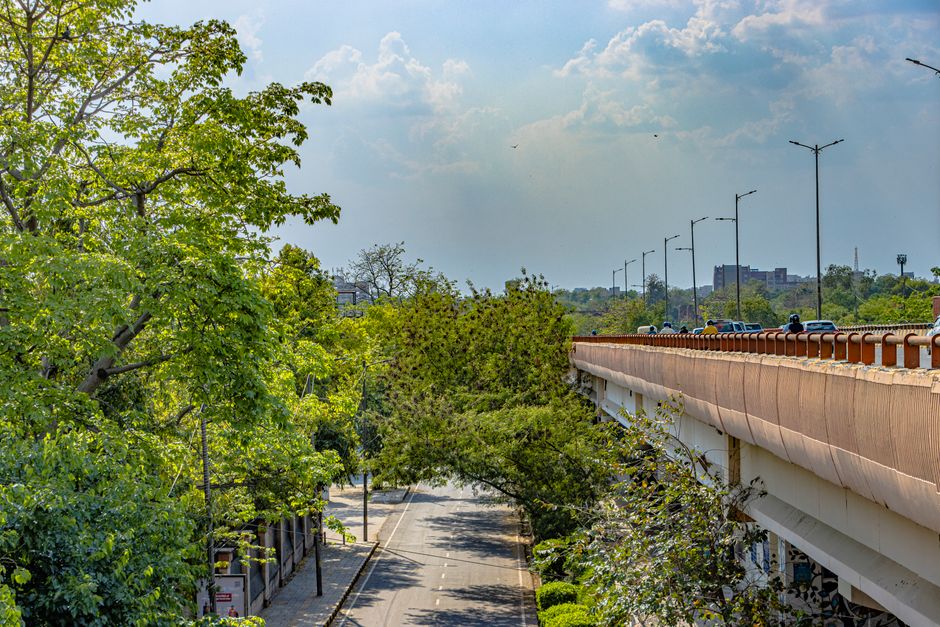
Delhi's sustainability landscape shifted noticeably this week as three significant environmental projects crossed critical milestones, signalling renewed momentum in the city's fight against pollution and urban degradation.
The Delhi Metro Rail Corporation announced on Monday that the upcoming Aerocity to Sector 62, Noida extension will incorporate solar canopies across five new stations, a first for the rapid transit network. The initiative is expected to generate approximately 2.5 megawatts of renewable energy annually—enough to power 400 households. Construction crews began installing panels at the Indraprastha station hub, marking a visible shift in how the capital's transport infrastructure addresses its carbon footprint.
Separately, the Haryana-Delhi border zone recorded a significant breakthrough in reforestation efforts. The Greater Noida Industrial Development Authority, in coordination with the Delhi Forest Department, planted 45,000 native saplings across the Surajpur Wetland buffer zone on Friday. The three-day drive targeted species including Neem, Jamun, and Sal trees—varieties that thrive in Delhi's climate and provide natural air filtration. Environmental officers noted this represents the region's largest single-week planting initiative since 2023.
In South Delhi, Hauz Khas saw its water recycling project reach operational status. The locality's rejuvenated water treatment unit will process 50,000 litres of wastewater daily for landscape irrigation, reducing the neighbourhood's groundwater extraction by an estimated 18 percent. The facility, nestled near the heritage Hauz Khas Fort complex, cost ₹4.2 crore and was funded through municipal bonds and corporate partnerships.
Not all developments proved straightforward. The Delhi Pollution Control Committee flagged challenges at the Bhalaswa landfill site in North Delhi, where methane capture technology installed three months ago is operating at only 67 percent efficiency. Officials acknowledged the shortfall during a Wednesday review meeting but confirmed retrofitting work begins in July.
Environmental advocates cautiously welcomed the week's announcements. Dr. Sunita Narain, Director of the Centre for Science and Environment based in Delhi, emphasized in recent comments that such initiatives—while necessary—must be sustained beyond seasonal cycles and political cycles. She pointed to air quality data showing the capital's PM2.5 levels remain nearly double the WHO recommended threshold.
Industry observers note these projects arrive amid broader pressure. Delhi's construction sector, responsible for approximately 30 percent of the city's dust pollution, faces tightening compliance requirements. Meanwhile, the national capital's commitment to achieving carbon neutrality by 2070 now includes dedicated municipal budgets for green infrastructure.
Officials confirmed additional announcements regarding waste management overhauls in East Delhi are expected by mid-July.
This article was compiled by AI from the sources linked above and screened before publishing. See our editorial standards.
How does this story make you feel?
Spread the word
About this article
Published by The Daily Delhi
Daily brief
Free, in your inbox before 7am. Weekdays.
More in News