Delhi's Push for Clean Air and Water Is Finally Touching ...
From Dwarka's solar initiatives to Rohini's waste management projects, residents are seeing tangible changes—but experts warn scaling up remains the real challenge.
From Dwarka's solar initiatives to Rohini's waste management projects, residents are seeing tangible changes—but experts warn scaling up remains the real challenge.
When Priya Sharma's family moved to a flat in Sector 8, Rohini five years ago, the morning air quality index routinely hit 380—hazardous levels that sent her asthmatic daughter to the hospital twice that winter. Today, after the neighbourhood's municipal corporation rolled out a micro-composting programme and partnered with local housing societies, she says the AQI rarely climbs above 220 during winter months. "It's not perfect, but my daughter can actually play outside now," she says.
Sharma's experience reflects a broader shift in how Delhi is tackling its environmental crisis—moving beyond blanket policies to neighbourhood-specific sustainability initiatives that directly improve living conditions for residents. The impact is increasingly visible across the city's sprawling expanse.
In Dwarka, a district of nearly 2 million people, the local administration's rooftop solar programme has brought electricity bills down by 25-30% for participating housing societies, according to community leaders. The Dwarka Municipal Corporation has installed systems on over 400 residential buildings since 2024, with another 600 in the pipeline. For a middle-class household paying ₹4,000-5,000 monthly, that translates to genuine savings.
Water scarcity, historically Delhi's most pressing issue, is also seeing localised solutions. In South Delhi's Mehrauli area, a collaborative groundwater recharge project involving the Delhi Jal Board and neighbourhood NGOs has restored water tables by nearly 8 feet in the past 18 months. Residents report tap water pressure improving during peak hours—a change that seemed impossible three years ago.
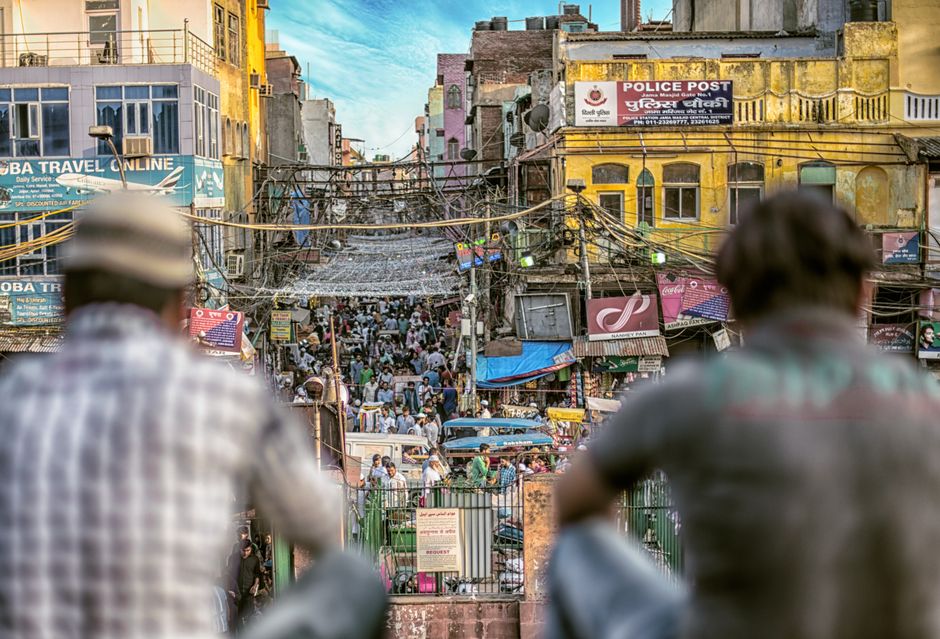
Yet challenges persist. In densely packed neighbourhoods like Lajpat Nagar and Karol Bagh, where waste segregation programmes have been implemented, participation hovers around 45%, according to local sanitation officials. Without individual buy-in, even well-designed schemes falter. And air quality in industrial areas near Okhla and Bawana remains stubbornly poor, frustrating residents who see little tangible change.
Environmental experts attribute recent progress to decentralised planning—tailoring solutions to specific neighbourhood demographics and infrastructure. "You can't use a one-size-fits-all approach in a city of 32 million," says a Delhi-based sustainability consultant. "Dwarka's solar success wouldn't work the same way in old Delhi's cramped layouts."
The real test comes next winter, when pollution typically spikes and air quality becomes Delhi's defining crisis. Whether these neighbourhood-level initiatives can withstand seasonal pressures while expanding to underserved areas will determine if Delhi's environmental awakening is genuinely transformative—or merely cosmetic.
This article was compiled by AI from the sources linked above and screened before publishing. See our editorial standards.
How does this story make you feel?
Spread the word
About this article
Published by The Daily Delhi
Daily brief
Free, in your inbox before 7am. Weekdays.
More in News