Delhi's Housing Crisis: How India's Capital Stacks Up Against Global Megacities
As affordable housing shortages plague world capitals from Singapore to São Paulo, Delhi's mixed approach to urban planning reveals both innovation and persistent gaps.
As affordable housing shortages plague world capitals from Singapore to São Paulo, Delhi's mixed approach to urban planning reveals both innovation and persistent gaps.
Delhi's approach to its acute housing shortage is increasingly diverging from strategies adopted by peer megacities worldwide, revealing a capital caught between ambition and implementation challenges.
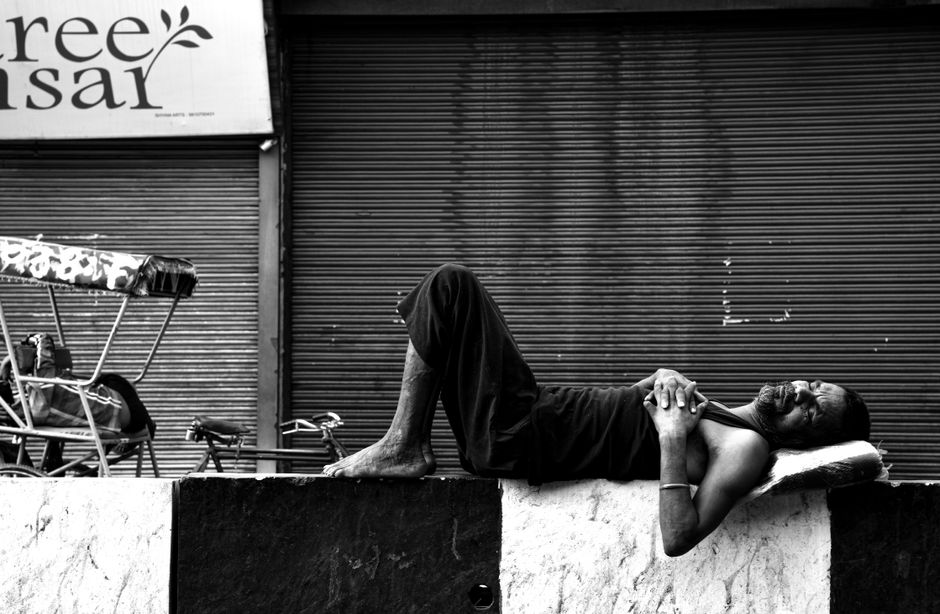
The numbers tell a sobering story. With an estimated shortage of 2.5 million housing units and median apartment prices in South Delhi exceeding ₹1.2 crore, the city's affordable housing crisis mirrors crises in London, Toronto, and Sydney. Yet Delhi's policy response remains fragmented. While the Pradhan Mantri Awas Yojana aims to deliver 5 lakh affordable units by 2024—a target already slipping—comparable cities have adopted more integrated approaches.
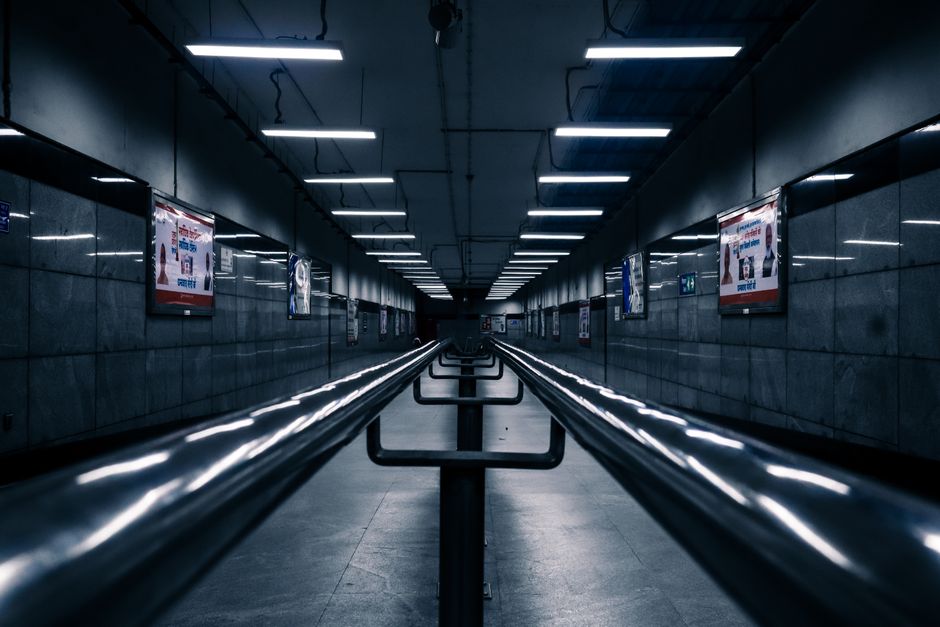
Singapore, often cited as a housing policy success story, places 80% of its population in public housing, managed by the Housing and Development Board. The city-state's rapid transit-oriented development around MRT stations has become a global model. Delhi's attempts at similar planning—particularly along the Delhi Metro corridors in areas like Dwarka and the proposed extension toward Noida—show promise but lag in execution. Land acquisition remains painfully slow, and coordination between the Delhi Development Authority, municipal corporations, and Metro Rail Corporation frequently falters.
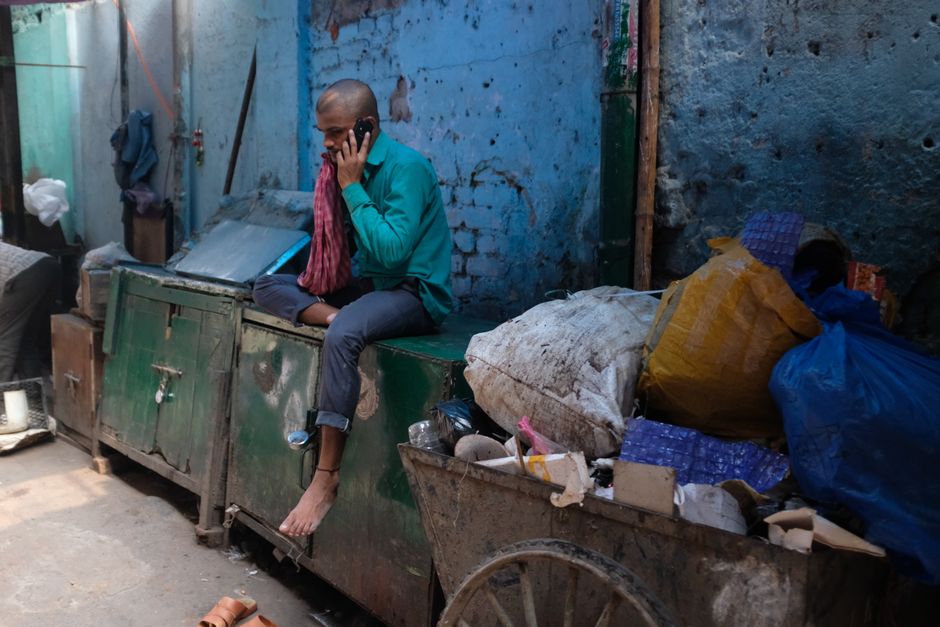
Barcelona and Vienna have experimented with rent controls and community land trusts, protecting long-time residents from displacement. Delhi's Slum Rehabilitation Scheme, which has relocated thousands from settlements across the city, often fails to integrate relocated communities adequately. The notorious resettlement colonies on Delhi's southern periphery—Savda Ghevra, Baprola—demonstrate this gap starkly: residents enjoy ownership but face poor connectivity, absent utilities, and social isolation.
Where Delhi shows unexpected innovation is in informal sector engagement. Unlike many global cities that criminalize street vendors and informal housing, Delhi's recent policies have attempted integration—though inconsistently. The Street Vendors Act's implementation and efforts to map informal settlements represent recognition that solutions must accommodate existing populations, not displace them.
However, Delhi's fragmented governance structure—27 municipal corporations, the DDA, DMRC, and dozens of parastatals operating independently—creates duplication and delays that cities like Melbourne and Seoul have largely resolved through consolidated metropolitan planning authorities.
The real estate sector's unregulated expansion has exacerbated problems. Unlike Toronto's strict rent control frameworks or Berlin's recent housing regulations, Delhi's regulatory environment remains developer-friendly, pushing middle-class aspirations further into satellite cities like Gurugram and Noida.
As Delhi inches toward 35 million residents, policymakers face a choice: continue piecemeal interventions that benefit select populations, or embrace holistic metropolitan governance comparable to global peers. Current trajectories suggest the former path persists—with consequences visible in every congested residential cluster from Rohini to Rajeev Nagar.
This article was compiled by AI from the sources linked above and screened before publishing. See our editorial standards.
How does this story make you feel?
Spread the word
About this article
Published by The Daily Delhi
Daily brief
Free, in your inbox before 7am. Weekdays.
More in News