How Delhi Became Home to 2 Million Migrants: The Decades ...
From partition's upheaval to today's global workforce, understanding the forces that transformed Delhi into one of the world's most diverse cities.
From partition's upheaval to today's global workforce, understanding the forces that transformed Delhi into one of the world's most diverse cities.
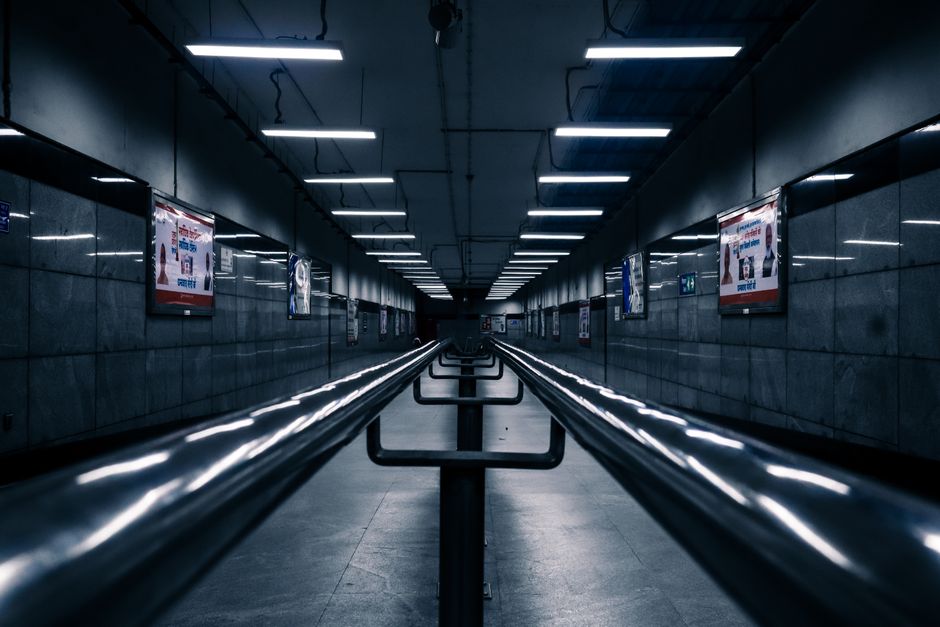
Walk through the corridors of the Delhi Metro at peak hours, and you'll hear Punjabi, Bengali, Tamil, Marathi, and a dozen other languages competing with English announcements. This linguistic symphony is no accident—it's the result of nearly eight decades of migration patterns that have fundamentally reshaped India's capital.
The story begins with Partition in 1947. Over 1 million people displaced from Pakistan arrived in Delhi, fundamentally altering the city's demographic fabric. Neighbourhoods like Karol Bagh and Old Delhi became reception points, their population density doubling within months. Today, Delhi's population exceeds 30 million, with census data showing that roughly 40% of residents were born outside the city—a figure that has climbed steadily from 28% in 2001.
The economic liberalisation of the 1990s marked a second wave. Young professionals from across India migrated to the capital seeking opportunities in the burgeoning IT, financial services, and media sectors. Gurgaon's rise as a corporate hub created a ripple effect, drawing talent from Bangalore, Mumbai, and smaller metros. Today, Delhi's rental markets in areas like Greater Kailash and Connaught Place reflect this influx—a one-bedroom apartment in central Delhi commands between ₹35,000 and ₹50,000 monthly, making migration a deliberate economic calculation for millions.
International migration has accelerated since 2010. The number of foreign nationals registered in Delhi grew from approximately 15,000 in that year to over 85,000 by 2023. Communities from Afghanistan, Myanmar, Nepal, Bangladesh, and Sri Lanka have established themselves, with many clustering around areas like Chanakyapuri, Safdarjung, and parts of East Delhi. NGOs working in these areas report growing integration challenges alongside success stories of entrepreneurship and cultural contribution.
The pandemic of 2020-21 exposed vulnerabilities in this system. Reverse migration surged as workers lost jobs, straining resources in origin states. Yet by 2024, Delhi's economic recovery attracted migrants at rates exceeding pre-pandemic levels, suggesting the city's pull remains powerful despite housing crises and infrastructure strain.
What distinguishes Delhi's migration story from other global cities is its scale and speed of change. The National Capital Region's population has swelled to 32 million in less than a century. This backdrop of continuous demographic transformation explains current debates around housing policy, public services, and communal integration. Understanding how we arrived here—through partition's trauma, economic opportunity, and now global migration—is essential to navigating Delhi's future as a truly multicultural metropolis.
This article was compiled by AI from the sources linked above and screened before publishing. See our editorial standards.
How does this story make you feel?
Spread the word
About this article
Published by The Daily Delhi
Daily brief
Free, in your inbox before 7am. Weekdays.
More in News