Delhi's Rising Street Crime: Residents Demand Faster ...
Community members across South Delhi and East Delhi neighborhoods speak out about their safety concerns as petty theft and mugging incidents prompt calls for urgent action.
Community members across South Delhi and East Delhi neighborhoods speak out about their safety concerns as petty theft and mugging incidents prompt calls for urgent action.
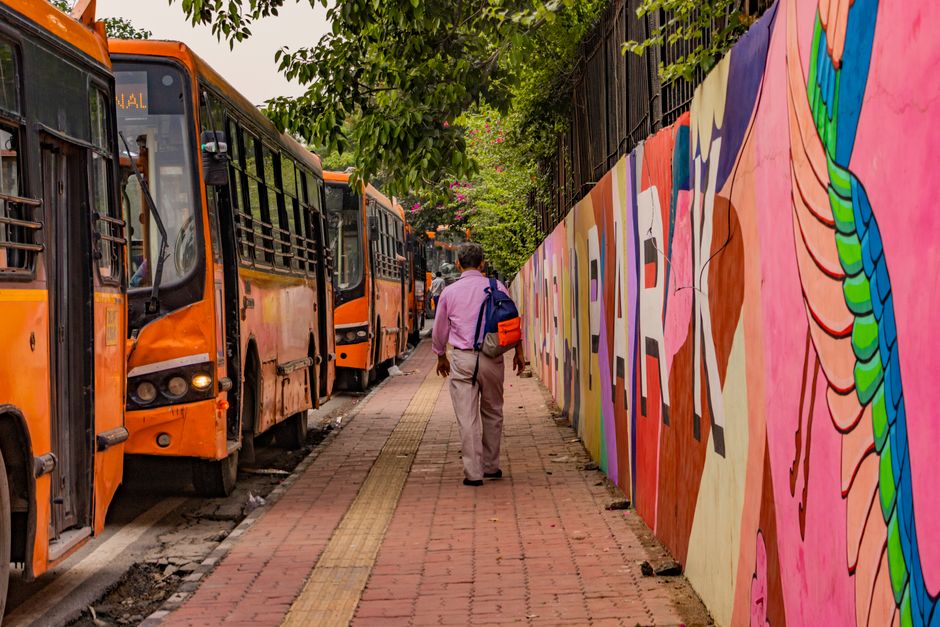
Residents of Delhi's bustling commercial corridors and residential neighbourhoods are increasingly vocal about their safety worries, with complaints about street crime mounting faster than police interventions. From the crowded markets of Karol Bagh to the residential lanes of Patel Garden, community members are sharing harrowing experiences that paint a picture of a city struggling to keep pace with its public safety challenges.
According to Delhi Police statistics released in April 2026, cases of street robbery and petty theft across central and south Delhi have increased by approximately 23% compared to the same period last year. Evening commuters, shopkeepers, and residents working night shifts have emerged as primary targets, with most incidents occurring between 9 PM and midnight.
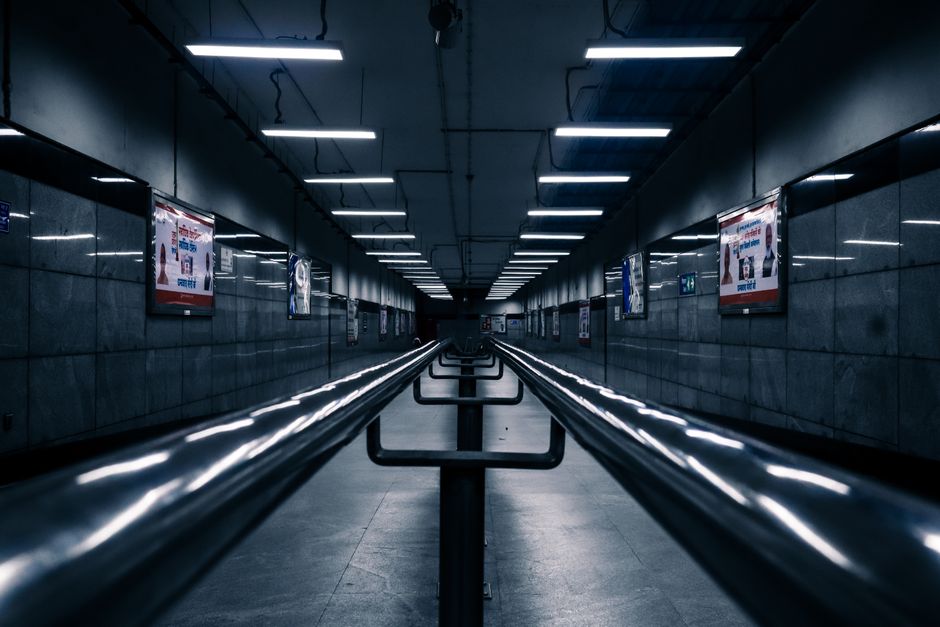
Traders' associations in Chandni Chowk and the surrounding wholesale markets have been particularly vocal. Members report that inadequate street lighting and irregular police patrolling have emboldened criminals. "We've requested better illumination on roads leading to parking areas at least fifteen times," says a representative from the Delhi Retailers Association, who declined to be named. "The response has been slow, and meanwhile, our staff members walk home in darkness."
The Resident Welfare Association in Greater Kailash has launched a community safety initiative, deploying volunteer wardens during evening hours. "We can't rely entirely on authorities anymore," a spokesperson explained. "Residents are funding their own CCTV installations and organizing neighbourhood watch programs because response times to distress calls have stretched to 20-30 minutes in some cases."
Autorickshaw drivers, who operate across the city's transport network, report being targeted for mobile phones and cash. Several unions have begun installing emergency alert buttons in vehicles, costing approximately ₹2,500 per unit. "The police dial system works, but by the time help arrives, the culprit is long gone," one driver from Safdarjung Enclave shared.
Delhi's emergency services face staffing shortages, with current police-to-population ratios standing at approximately 1:550—below recommended standards. The city's 11 police zones struggle to maintain adequate night patrols, particularly in peripheral areas like Dwarka and Noida border regions.
Community leaders are now pushing for a multi-pronged approach: increased foot patrols, faster emergency response systems, and better coordination between municipal authorities on street lighting. "We're not asking for miracles," one resident from South Extension said. "We simply want our city to feel safer after dark."
This article was compiled by AI from the sources linked above and screened before publishing. See our editorial standards.
How does this story make you feel?
Spread the word
About this article
Published by The Daily Delhi
Daily brief
Free, in your inbox before 7am. Weekdays.
More in News