Delhi's Transport Overhaul: What Officials and Experts Say About the Next Phase
As the city grapples with congestion, transport planners and civic leaders outline ambitious plans for metro expansion, bus corridors, and last-mile connectivity.
As the city grapples with congestion, transport planners and civic leaders outline ambitious plans for metro expansion, bus corridors, and last-mile connectivity.

Delhi's transport infrastructure debate has intensified as civic authorities and urban planning experts weigh competing visions for a city struggling with gridlock that costs the economy an estimated ₹60,000 crore annually in lost productivity.
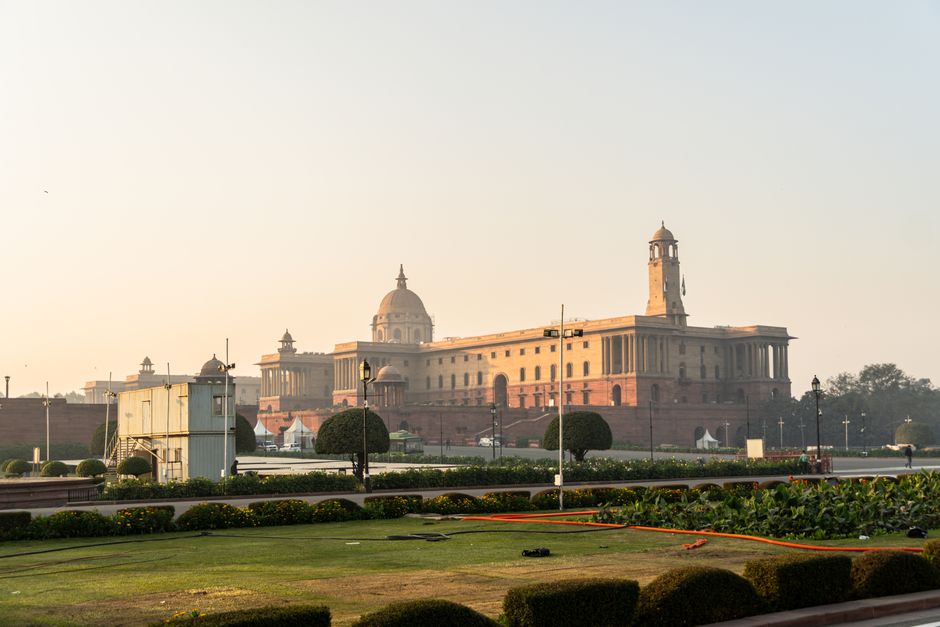
The Delhi Metro Rail Corporation's latest expansion targets remain central to official strategy. Senior planners at the transport ministry have indicated that the proposed Phase-IV corridors—particularly the extensions toward outer Delhi neighbourhoods like Rohini, Dwarka, and Greater Noida—are critical to easing pressure on existing lines that carry over 70 lakh commuters daily. Officials at DMRC headquarters near Central Secretariat have highlighted that completing these phases by 2028 could reduce road traffic by an estimated 8-12 percent.
However, experts from the Centre for Policy Research and Delhi School of Economics have raised concerns about financing gaps. With project costs escalating due to land acquisition complexities in densely populated areas like Karol Bagh and Saket, several economists argue that public-private partnership models deserve greater attention than current municipal budgets allow.
Bus transit improvements have emerged as an equally contested priority. Officials with the Delhi Transport Corporation point to their fleet modernisation programme, which has added 2,000 electric buses since 2023. Yet transit advocates at organisations like the Indian Institute of Human Settlements contend that connectivity within residential zones remains inadequate. They cite the persistent 2-3 kilometre gaps between metro stations and residential clusters in areas like Sector 73 in Noida and South Delhi extensions, where auto-rickshaw fares have climbed to ₹80-100 for short journeys.
The Integrated Multi-Modal Transit System initiative, which aims to synchronise metro, bus, and cycle-sharing networks, has drawn cautious optimism from urban planners. Representatives from the traffic police headquarters near ITO have noted that the pilot integration at major junctions—including the Rajiv Chowk interchange and near Kasturba Nagar station—has shown modest improvements in commuter flow during off-peak hours.
A contentious flashpoint involves the proposed bus rapid transit corridor along Rajpath, now known as Kartavya Path. While Delhi's municipal corporations argue the elevated corridor would ease congestion, heritage conservation groups have questioned environmental impacts. Officials have committed to conducting fresh environmental impact assessments before finalising designs.
Infrastructure investment remains the underlying challenge. With the Delhi Budget allocating ₹4,500 crore for transport in 2026-27—a 12 percent increase from last year—officials maintain momentum is accelerating. Yet experts warn that without addressing land-use planning and parking policies, even aggressive infrastructure expansion may prove insufficient for a city adding over 3 lakh residents annually.
This article was compiled by AI from the sources linked above and screened before publishing. See our editorial standards.
How does this story make you feel?
Spread the word
About this article
Published by The Daily Delhi
Daily brief
Free, in your inbox before 7am. Weekdays.
More in News