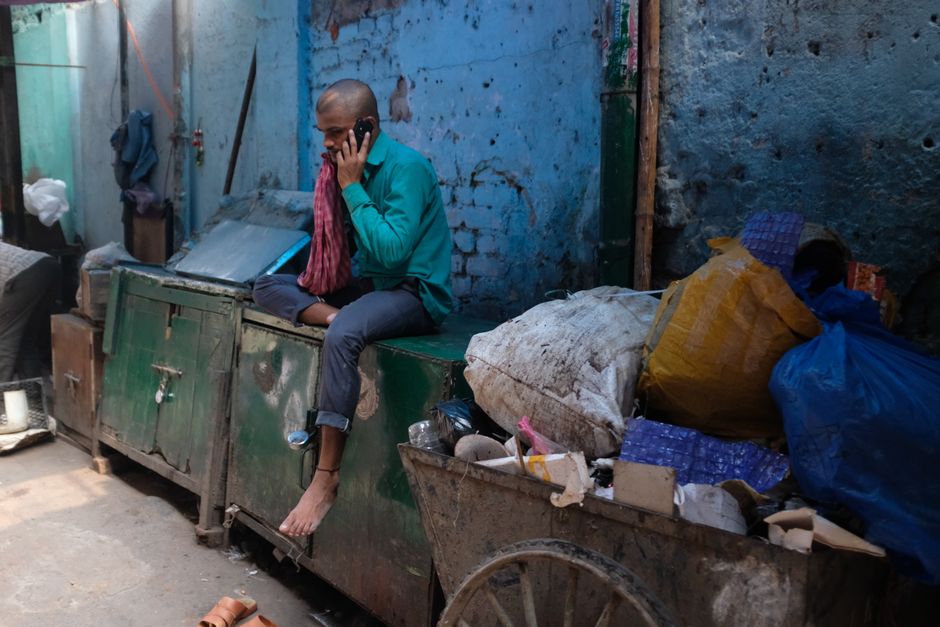
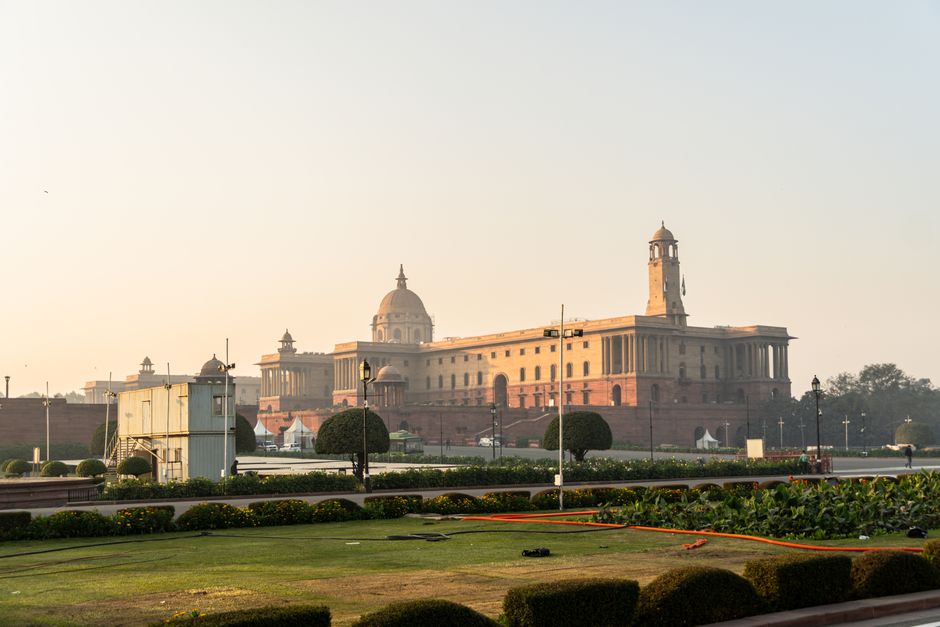
As Delhi's three municipal corporations brace for monsoon season, a comparison with peer cities worldwide reveals a sobering governance gap. While Shanghai allocates nearly $15 billion annually to urban management and Singapore operates near-zero landfill systems, Delhi's three municipal bodies—North, South, and East—collectively manage a waste crisis affecting 32 million residents with outdated landfill sites at Ghazipur, Bhalswa, and Okhla operating well beyond capacity.
The contrast became sharply visible this month as the Municipal Corporation of Delhi's (MCD) budget allocation of ₹7,500 crore proved insufficient for basic services. Neighbourhoods across Karol Bagh, Dwarka, and Greater Noida West reported water supply cuts lasting 8-10 hours daily, while property tax collection rates hover at 68%—far below comparable cities like Bangalore (82%) and Hyderabad (77%).
"Delhi's challenge isn't resources alone," says the urban planning sector, which tracks governance metrics across Indian metros. "It's coordination between competing jurisdictions." The fragmented structure—three separate corporations plus water authority Delhi Jal Board—creates inefficiencies unheard of in integrated municipal systems like Seoul or Melbourne.
Consider waste management: while Copenhagen's district heating systems convert garbage into energy for 150,000 homes, Delhi's landfills generate methane emissions measured at 2.1 million tonnes CO2-equivalent annually. A pilot waste-to-energy project launched near Ghazipur in 2023 remains incomplete. Meanwhile, areas like Rohini and Sector 8 (Dwarka) face irregular garbage collection, with residents reporting uncollected waste for 5-7 days.
The parking crisis illustrates the same pattern. Tokyo manages 7.5 million vehicles through an integrated digital system; Delhi, with 6.2 million registered vehicles, relies on fragmented municipal and private systems, leaving neighbourhoods like Defence Colony and Mehrauli perpetually congested. A proposed smart parking platform announced in 2024 remains in pilot stage across just three zones.
Global comparisons aren't merely academic. Singapore's integrated Land Transport Authority and unified billing system serve as templates increasingly studied by Indian municipal reformers. Yet structural change moves slowly in Delhi. The proposed merger of municipal corporations, first proposed a decade ago, faced fresh delays in 2025.
As monsoons approach and civic demands intensify, Delhi's municipal leadership faces a critical question: can fragmented governance systems compete with integrated peers? International evidence suggests the answer requires consolidation—something Delhi's political landscape has yet to fully embrace.
This article was compiled by AI and screened before publishing. See our editorial standards.