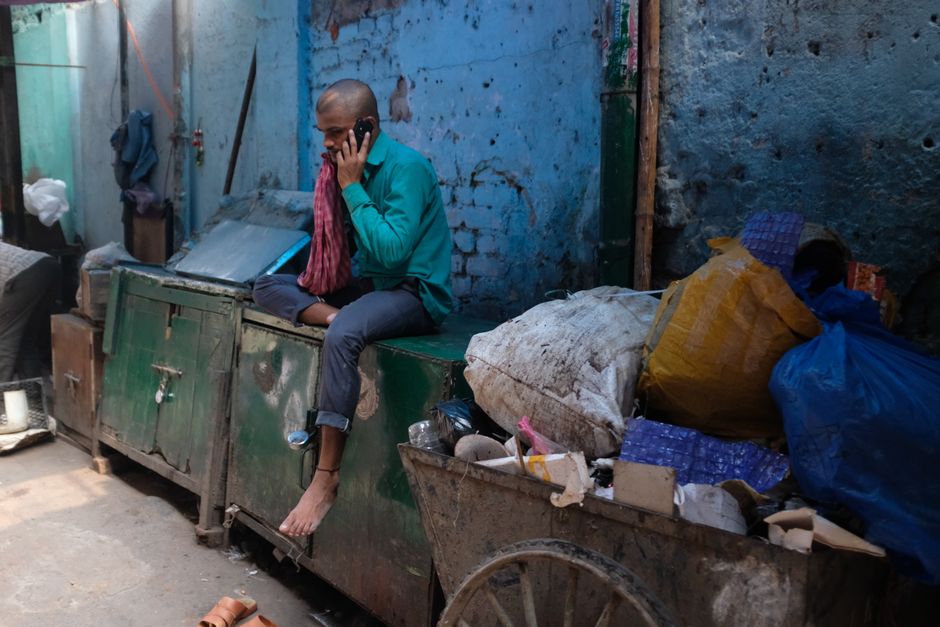
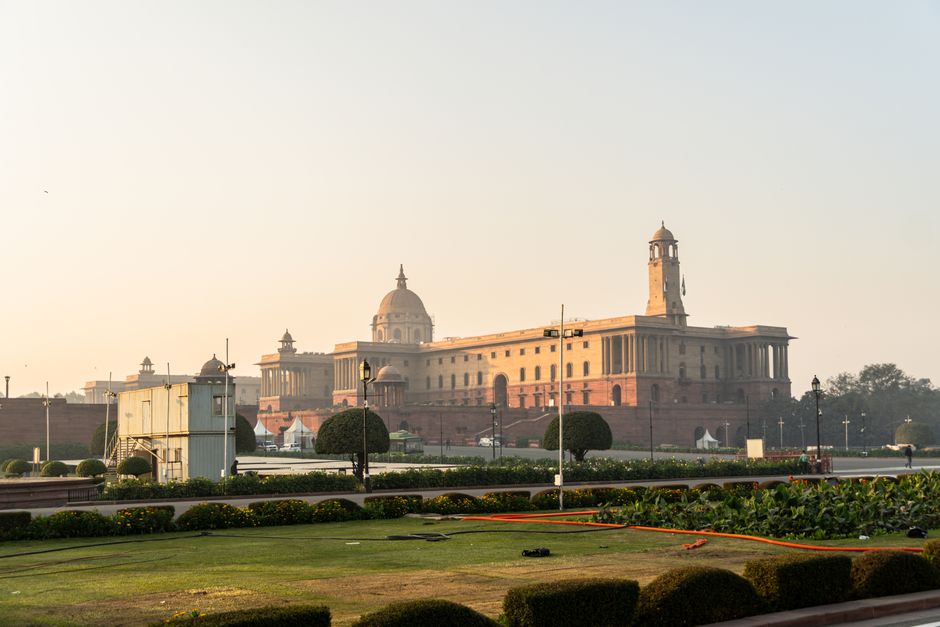
The past seven days have marked a turning point for Delhi's migrant communities, as new federal employment guidelines took effect on Monday, catching many workers and employers off guard. The regulations, which tighten verification requirements for non-resident Indian workers in the National Capital Region, have prompted community organisations to launch emergency advisory sessions across the city.
The Afghan Refugees Welfare Association held an urgent gathering at their Karol Bagh office on Wednesday evening, drawing approximately 150 participants concerned about documentation requirements. Similar meetings unfolded at the Burma Bhawan in East Delhi's Bengali enclave, where Myanmar nationals sought clarity on work permit renewals now subject to additional scrutiny. The Rohingya Resource Centre in Batam Lane, New Delhi, reported a 40 percent surge in counselling requests since Monday.
"We're seeing families making difficult decisions," said a spokesperson from the Indian Council of Migrants, a Delhi-based NGO. "Some are considering returning home rather than navigating bureaucratic uncertainty." The organisation estimates Delhi hosts approximately 800,000 documented migrant workers, with another 1.2 million operating in informal sectors, from construction sites in Gurugram's industrial corridors to domestic work across South Delhi's residential clusters.
The visa processing delays at the Foreigners Regional Registration Office on Lothian Road have extended average wait times from three weeks to eight weeks, creating cascading problems for renewal-dependent communities. Workers in the hospitality sector, particularly concentrated around hotel clusters in Connaught Place, report income loss during status verification periods.
However, some developments offer relief. The Delhi government's new vocational training scheme, launched Thursday at the Indraprastha College for Women venue, specifically targets migrant workers. The programme provides free skill certification in healthcare, IT, and construction—sectors reporting acute labour shortages. Initial registration numbers exceeded expectations, with 2,300 applications processed within 48 hours.
The Bangladesh Business Council announced Friday that they've partnered with three major Delhi employers to fast-track documentation for their migrant workforce, a move welcomed by advocates watching workplace tensions rise. Meanwhile, the Tibetan community's annual cultural festival, scheduled for July at Majnu Ka Tilla, has received expanded municipal support following community advocacy efforts.
Migration experts suggest the convergence of policy tightening and economic opportunity reflects broader patterns visible across global cities. For Delhi's multicultural fabric—woven through neighbourhoods from Chandni Chowk's historic quarters to the newer settlements of Noida's tech corridors—this week's developments underscore both fragility and resilience in systems supporting human mobility.
This article was compiled by AI from the sources linked above and screened before publishing. See our editorial standards.