Delhi's civic leadership is sending mixed signals about the capital's readiness for the 2026 monsoon season, with officials and urban planners offering cautiously optimistic assessments of recent infrastructure investments even as they acknowledge persistent challenges in low-lying neighbourhoods.
The Municipal Corporation of Delhi (MCD) has prioritised drainage improvements in chronically flood-prone areas including parts of Sarai Kale Khan, Okhla, and the Yamuna floodplain settlements. Senior MCD engineers briefing municipal committees this month have pointed to ₹340 crore allocated for storm water management upgrades since 2024, marking what they describe as a significant departure from previous years' ad-hoc interventions. However, residents in East Delhi's Shahdara area and parts of West Delhi near the Najafgarh drain remain sceptical about implementation timelines.
Dr Rajesh Sharma, a senior fellow at the Delhi Institute of Urban Affairs, cautioned that while infrastructure spending has increased, coordination between the MCD, Delhi Jal Board, and Public Works Department remains inconsistent. "We're still operating in silos," he noted during a recent policy roundtable at India Habitat Centre. "A comprehensive monsoon response requires real-time data sharing and unified command structures."
Beyond immediate drainage concerns, municipal administrators are flagging ambitious targets for affordable housing expansion. Delhi's Deputy Commissioner of Planning revealed that 18,000 new EWS flats are slated for development across Rohini, Dwarka, and the newly notified Narela cluster. These units, priced between ₹28 lakh and ₹35 lakh, represent an attempt to address the city's estimated shortfall of 2.7 million affordable units.
The push comes as real estate costs in central Delhi continue climbing. Property values in Connaught Place and South Delhi's established neighbourhoods have outpaced wage growth, pushing middle-income families toward the periphery. Municipal officials argue that scaled-up EWS production at the city's fringes could eventually ease pressure on inner-ring areas while generating employment during construction phases.
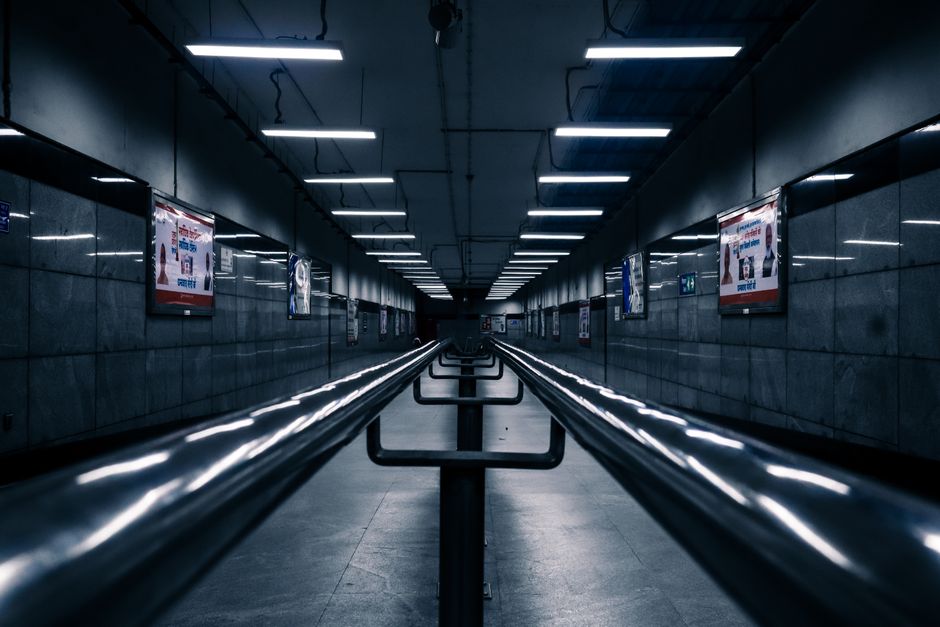
Transport connectivity remains another focal point for official commentary. Delhi Metro Rail Corporation leadership has signalled completion of the Aerocity-Tughlakabad corridor extension by year-end, potentially easing congestion on key arterial roads including NH-44 and the Ring Road.
Street vendors and informal economy workers, however, express concerns that ongoing infrastructure projects displace livelihoods without adequate relocation packages. Municipal officials have acknowledged these grievances and pledged to enhance the allocation for trader rehabilitation programmes, though concrete details remain pending.
This article was compiled by AI from the sources linked above and screened before publishing. See our editorial standards.