As Delhi enters the peak monsoon period, senior officials from the Delhi Police and emergency services have outlined a comprehensive strategy to tackle seasonal crime surges and public safety challenges that typically emerge during the June-September window.
Speaking at a routine briefing on public order management, officials emphasised the need for heightened surveillance in high-traffic commercial zones including Connaught Place, Khan Market, and the sprawling markets of Old Delhi, where petty theft and pickpocketing incidents spike during the rainy season. The monsoon period typically sees a 23-28 percent increase in street crimes across the capital, according to data shared by the Delhi Police's Crime Prevention Division.
Fire and Emergency Services officials have separately flagged concerns about waterlogging in low-lying areas, particularly in neighbourhoods like Malviya Nagar, RK Puram, and parts of East Delhi, warning residents to remain alert during flash-flood conditions. The Delhi Fire Service has advised citizens to keep emergency numbers readily accessible, noting that response times can increase by up to 15 minutes during severe weather events due to traffic congestion.
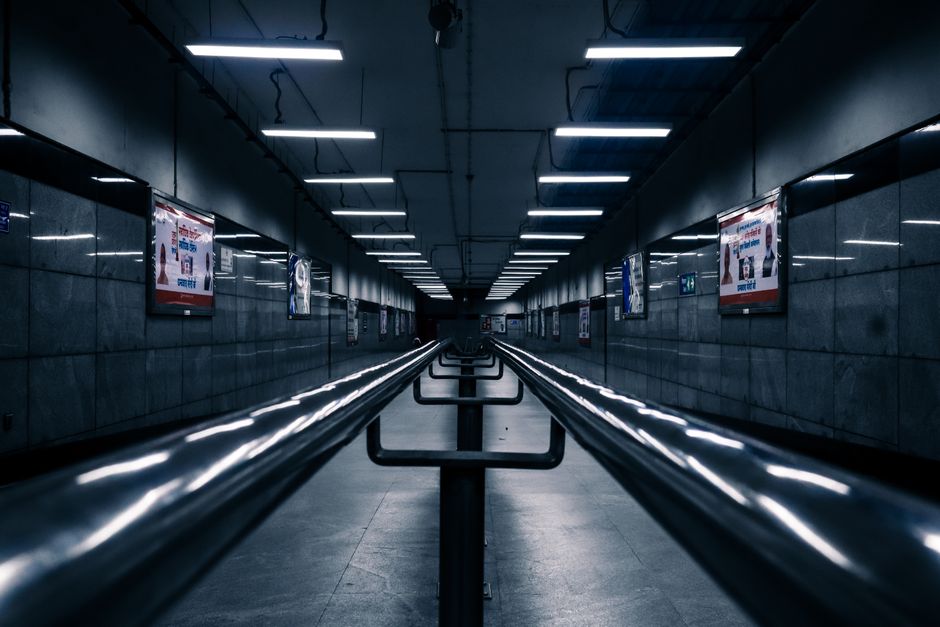
Transportation safety has emerged as a key focus area, with Metro Rail and traffic management authorities cautioning commuters about slippery platforms and reduced visibility on roads. Officials have highlighted the importance of using designated pedestrian crossings and avoiding waterlogged streets, where hidden dangers and flooded storm drains pose serious risks.
Community policing initiatives in residential areas like Defence Colony, Greater Kailash, and Dwarka have been ramped up, with beat officers conducting door-to-door awareness campaigns about home security and theft prevention. Local residents' associations across these neighbourhoods have been encouraged to establish neighbourhood watch groups and maintain communication with their respective police stations.
Medical emergency services have also scaled up preparedness, with AIIMS and major government hospitals increasing bed capacity in emergency wards and ensuring round-the-clock staffing to handle weather-related injuries and waterborne illnesses that typically rise during monsoons.
Officials have urged the public to report suspicious activities immediately through established channels rather than attempting to intervene personally. The Delhi Police's PCR number 100 and local police station helplines remain operational 24/7, though residents are advised that priority will be given to life-threatening emergencies during severe weather conditions.
This article was compiled by AI from the sources linked above and screened before publishing. See our editorial standards.