From Crisis to Action: How Delhi's Pollution Wars Led to Today's Sustainability Push
Years of choking smog, flooded neighbourhoods, and public outcry have forced the capital to reimagine its environmental future.
Years of choking smog, flooded neighbourhoods, and public outcry have forced the capital to reimagine its environmental future.
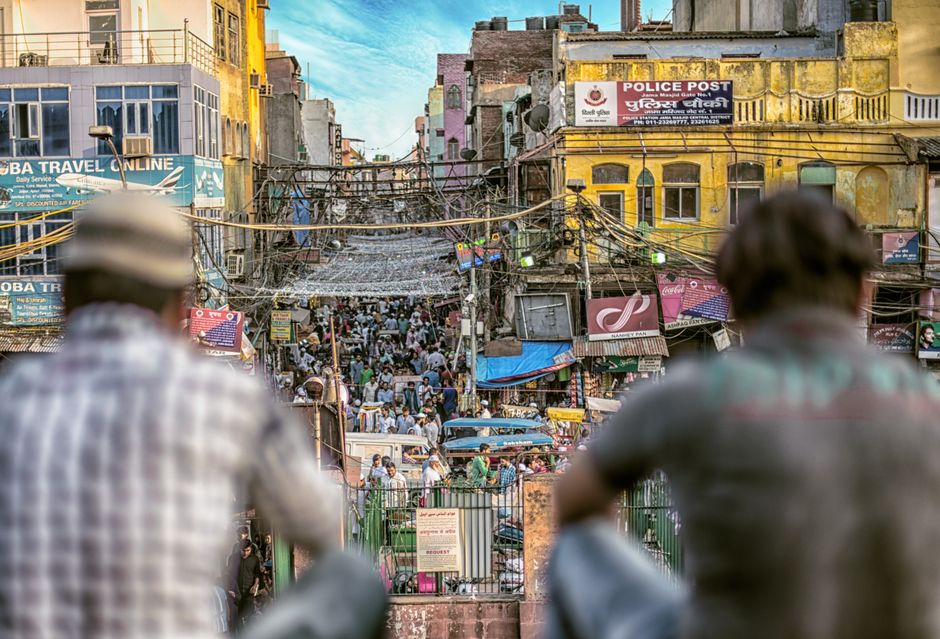
Delhi's journey toward serious environmental action did not begin with idealism. It began with necessity—the kind that forces you to pay attention when the Air Quality Index regularly crossed 400 in winter, when the Yamuna ran brown with industrial waste, and when residents of affluent South Delhi neighbourhoods wore N95 masks to their morning commutes.
The turning point came gradually. In 2016, when Delhi's air quality reached hazardous levels that made international headlines, the city ranked among the world's most polluted capitals. Schools closed. Construction was halted. By 2022, when the monsoon floods devastated low-lying areas around Rohini and Najafgarh, it became clear that unplanned urbanisation and environmental neglect carried a price tag in human suffering and economic loss.
"We hit a wall," says the environmental advocacy community that has tracked Delhi's progress. The acknowledgment forced a recalibration. The introduction of the Graded Response Action Plan—restricting vehicles, banning construction, controlling industrial emissions during crisis periods—was reactive governance. But it planted seeds. Citizens began demanding permanent solutions rather than seasonal band-aids.
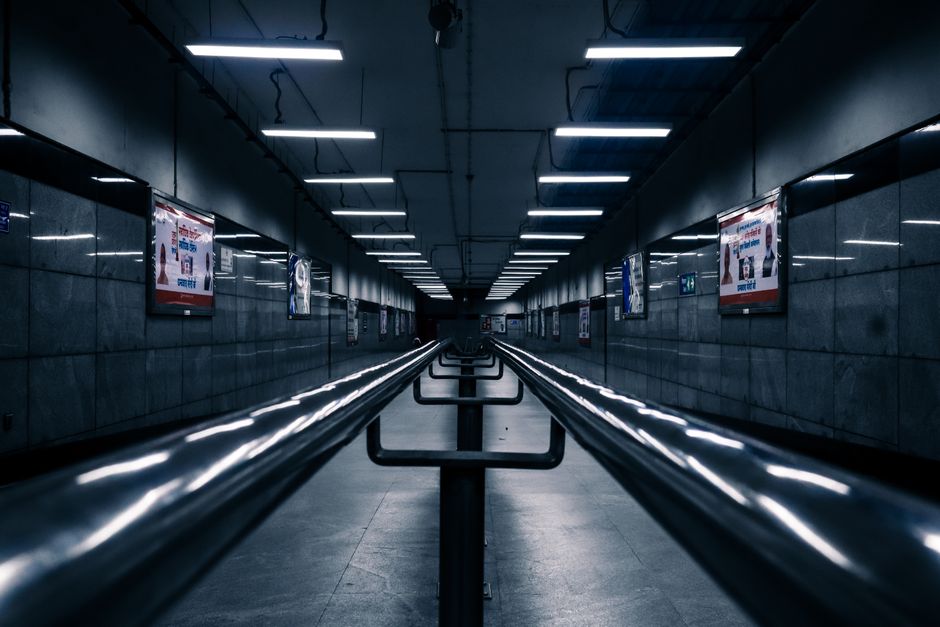
What followed was incremental but measurable. The Delhi Metro's expansion—now spanning 348 kilometres across the city—redirected commuters from private vehicles that once clogged the Inner Ring Road and arterial roads like Moolchand Flyover. The push for electric buses gained momentum. By 2025, the Delhi Transport Corporation had inducted thousands of e-buses into its fleet, reshaping daily commutes from Dwarka to Karol Bagh.
On the industrial front, stricter emissions standards forced factories in Wazirpur and Mundka to modernise or relocate. The Yamuna Rejuvenation Project, though still incomplete, demonstrated sustained political will—a sharp contrast to earlier decades of neglect.
Neighbourhoods began shifting too. Middle-class residents in Defence Colony and Safdarjung Enclave started demanding waste segregation. Rooftop solar panels became symbols of status rather than fringe environmentalism. Markets like INA and Karol Bagh saw independent vendors embracing cloth bags and plastic-free packaging.
Today's sustainability initiatives—from wetland restoration projects at Basai Darapur to community gardens in Malviya Nagar—don't emerge from a vacuum. They emerge from hard lessons learned during a decade of environmental reckoning. Delhi's path forward remains steep, but the city that once choked on its own growth has finally begun to learn that survival demands reinvention.
This article was compiled by AI from the sources linked above and screened before publishing. See our editorial standards.
How does this story make you feel?
Spread the word
About this article
Published by The Daily Delhi
Daily brief
Free, in your inbox before 7am. Weekdays.
More in News