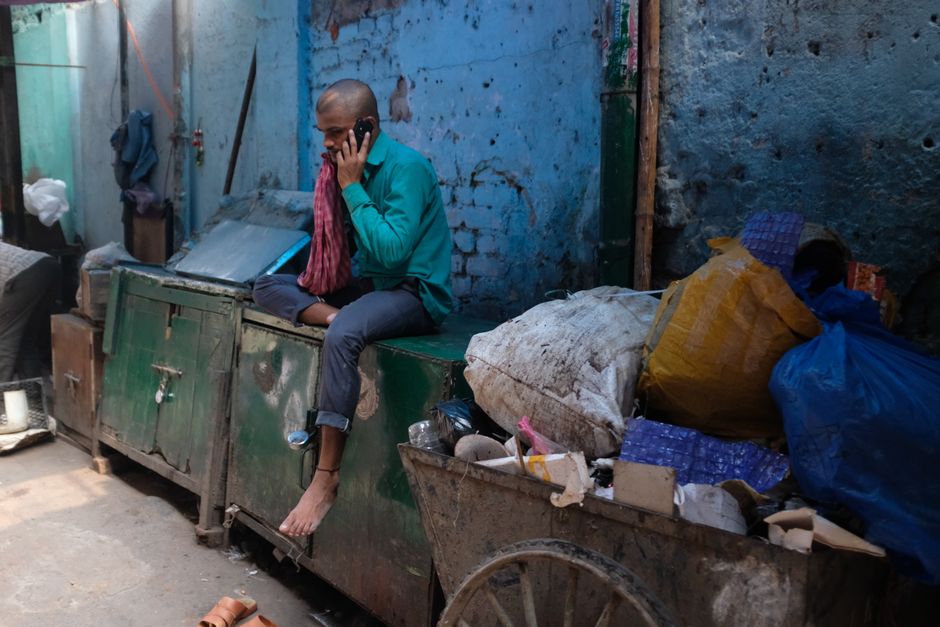
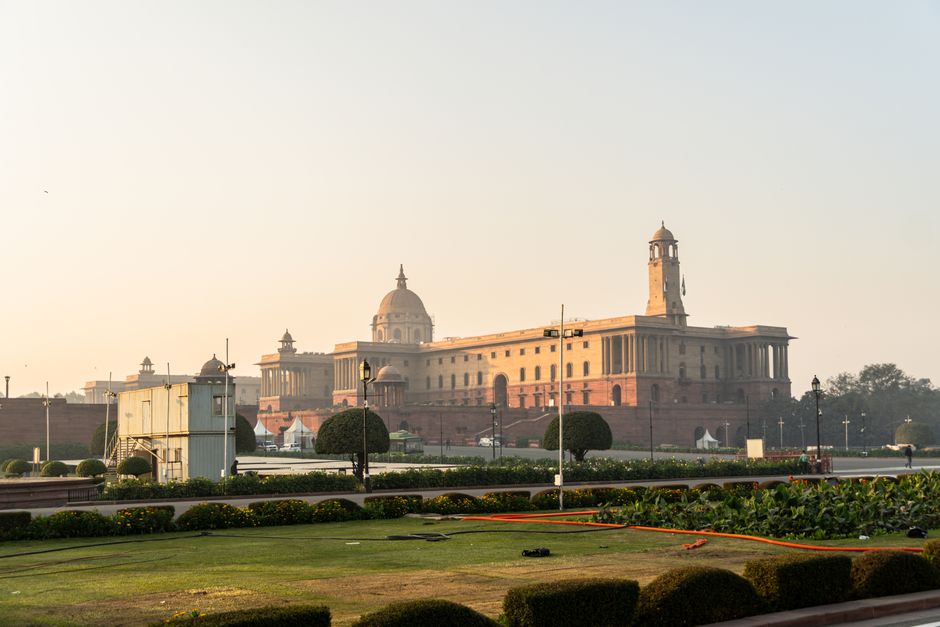
As summer heat grips the capital, a quieter conversation is taking shape in Delhi's neighbourhoods—one about reclaiming public spaces and strengthening community bonds. From Lodhi Garden's morning walkers to Lajpat Nagar's bustling market corridors, officials and community experts are increasingly vocal about what they see as a pivotal moment for neighbourhood-level civic renewal.
The Delhi Development Authority's recent survey, completed in May 2026, identified over 240 underdeveloped community spaces across the city's 11 districts. Officials from the Urban Development Department have described the findings as both a challenge and an opportunity. Meanwhile, NGOs working in neighbourhoods like Sangam Vihar, Dwarka, and Greater Kailash are reporting a surge in resident participation in local governance initiatives—a marked shift from the apathy of previous years.
"What we're seeing is people wanting ownership of their immediate surroundings," says a senior coordinator at the Delhi Urban Shelter Improvement Board, who has overseen consultations across 15 neighbourhoods since March. "The investment doesn't have to be massive. In Malviya Nagar, residents pooled resources to renovate a 40-year-old community hall for just ₹8 lakhs. Now it hosts everything from yoga classes to youth skill-training programmes."
The Municipal Corporation of Delhi has also shifted its approach, with ward officers now conducting monthly neighbourhood assembly meetings. In Karol Bagh and Paharganj, traditionally considered high-density, lower-engagement areas, attendance at these forums has doubled since the initiative began in early 2026. Local business associations have taken notice, with merchants on M-Block Market stating they're investing in street beautification projects previously considered the government's sole responsibility.
Dr. Rajesh Sharma, urban sociologist at Delhi University's Centre for Urban Studies, emphasises the significance of this trend. "Neighbourhoods are where public life actually happens," he notes in recent research findings. "When residents see themselves as stewards rather than mere occupants, you get measurable improvements in everything from waste management to social cohesion."
Yet experts caution that momentum requires sustained institutional support. The challenge, officials acknowledge, lies in maintaining enthusiasm beyond initial enthusiasm cycles and ensuring equitable participation across economic strata. As one Safdarjung Enclave resident summed it up during a recent ward meeting: "We're ready to do the work. We just need officials to stop seeing us as problems and start seeing us as partners."
For Delhi's 32 million residents spread across sprawling neighbourhoods, what once seemed like distant municipal planning is now becoming deeply personal.
This article was compiled by AI from the sources linked above and screened before publishing. See our editorial standards.