Delhi stands at a fiscal inflection point. With the Municipal Corporation of Delhi's (MCD) half-yearly review scheduled for mid-July, city administrators face three interconnected decisions that will reverberate across all 272 wards and affect 16 million residents grappling with service delivery gaps that have only widened since the pandemic.
The first pressure point concerns property tax assessment. Current rates, frozen at 2016 levels, have left the MCD with a ₹3,400-crore annual shortfall according to internal budget documents reviewed by this publication. Ward committees in affluent zones—South Delhi's Vasant Kunj, the commercial corridors of Connaught Place, and emerging localities like Gurugram-adjacent Dwarka—are bracing for reassessment notices that could spike municipal taxes by 15-25 percent. Residents' associations in Malviya Nagar and Greater Kailash have already mobilised, with property owners arguing the timing is punitive given inflation-hit household budgets.
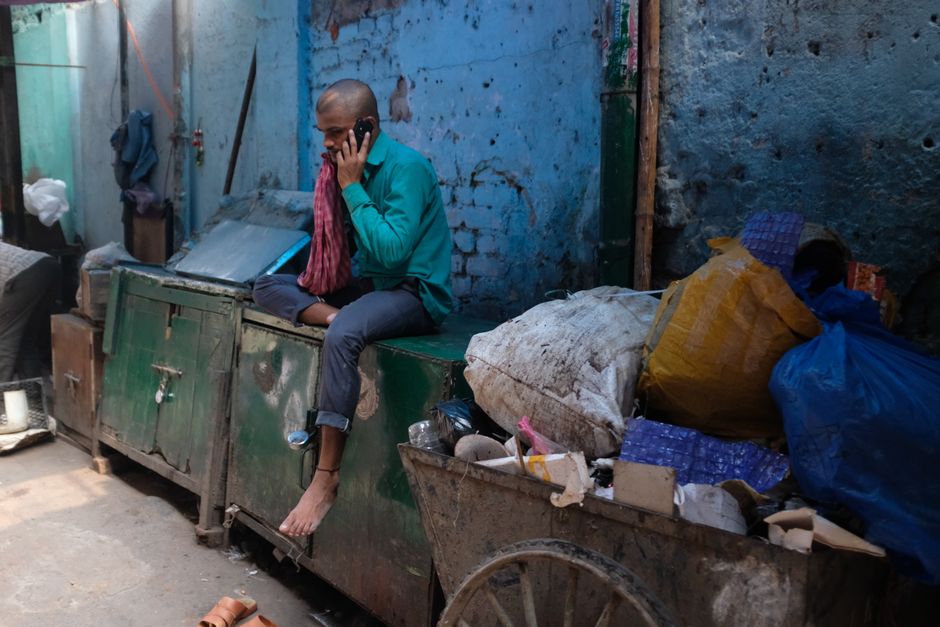
The second critical decision involves solid waste management infrastructure. Delhi generates 11,000 tonnes of waste daily, yet only two of three major landfill sites—Bhalswa in north Delhi and Okhla in south Delhi—remain operational. The proposed expansion of Okhla's facility faces fierce resistance from Kalkaji residents, while proposals to develop a waste-to-energy plant in peripheral zones like Narela remain mired in environmental clearances. How the MCD resolves this bottleneck will determine whether the city avoids another sanitation crisis.
Third is water supply inequity. While central Delhi and wealthy enclaves like Defence Colony enjoy piped water access, sprawling working-class areas—Sangam Vihar, Uttam Nagar, parts of North-East Delhi—remain dependent on tanker supplies costing families ₹2,000-3,000 monthly. The Delhi Jal Board's expansion roadmap, due for council approval next month, will determine whether ₹4,000 crores in promised infrastructure investment actually materialises or gets deferred again.
Complicating matters is the political fragmentation of the MCD, where the ruling party holds a slim majority. Independent councillors and opposition members have signalled they'll block tax increases without corresponding transparency on fund utilisation and performance metrics on pothole repairs, streetlight installation, and primary school upgrades.
The decisions made in the next 45 days will echo through 2027. If the MCD secures revenue enhancement while committing to service benchmarks, it could finally address infrastructure deficits that have made Delhi infamous for waterlogged streets and uncollected waste. If political gridlock persists, the city risks sliding further into managed decline—with only the affluent insulating themselves through private solutions, and the majority enduring deteriorating public services.
This article was compiled by AI from the sources linked above and screened before publishing. See our editorial standards.