Delhi is experiencing an unprecedented migration surge. Official census data suggests the capital's population has grown by over 25% in the past decade, with newcomers drawn by job opportunities in tech, finance, and startups clustered around Gurgaon and Noida corridors. Yet this boom carries consequences that long-term residents are increasingly feeling in their pockets and on their streets.
Housing costs in established neighbourhoods tell the story most clearly. Rental prices in Defence Colony, Lajpat Nagar, and South Extension have surged 40-50% since 2022, pricing out middle-income families who have lived there for generations. Guesthouse operators and landlords cater to transient newcomers over permanent tenants, fragmenting communities that once thrived on stability. Young families in East Delhi's Preet Vihar and Shakarpur report similar pressures as residential pockets transform into mixed-use zones.
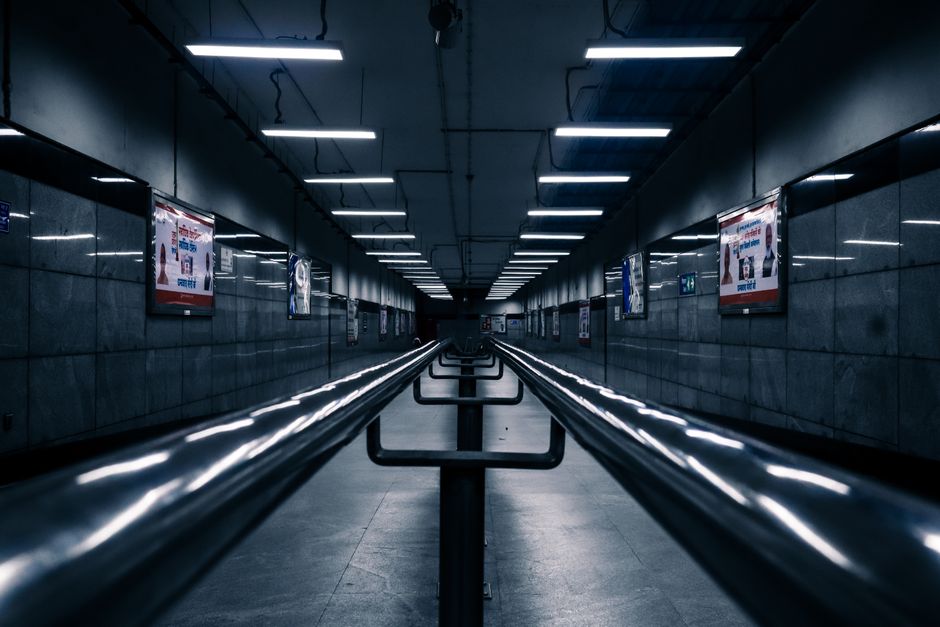
The strain on infrastructure is visible daily. The Delhi Metro, already India's second-busiest rapid transit system, now logs 67 lakh daily commuters—a figure that has climbed steadily as newcomers cluster in peripheral areas like Dwarka, Greater Noida, and Sector 62 in Noida. Rush-hour bottlenecks at Central Secretariat and Rajiv Chowk stations reflect a system stretched beyond design capacity. Schools in affluent zones like Vasant Kunj report waiting lists exceeding 500 names.
Water and sanitation services face mounting pressure. The Delhi Jal Board, which supplies water to 1.3 crore residents, has struggled with distribution in fast-growing zones. Neighbourhoods like Rohini and Uttam Nagar, once quieter suburbs, now house over 30 lakh residents each, yet sewage infrastructure was planned for populations half that size. Waste management remains chaotic—landfills at Okhla and Bhalswa operate near capacity.
Community organisations are sounding alarms. The Delhi Residents Association, representing over 200 resident welfare groups, argues that migration without corresponding civic investment is dismantling Delhi's social fabric. Open spaces shrink as unauthorised construction proliferates. Gurdwaras, temples, and mosques in older colonies report overcrowding during festivals.
Yet not all impacts are negative. Newcomers revitalise commercial strips along Chandni Chowk and Khan Market. They fuel demand that keeps Delhi's startup ecosystem—now valued at $24 billion—competitive globally. Young professionals bring energy to once-stagnant neighbourhoods.
The real question is whether Delhi's governance will catch up. Planners must urgently expand metro lines, upgrade water systems, and enforce building codes before the city's charm—and livability—slip away entirely.
This article was compiled by AI from the sources linked above and screened before publishing. See our editorial standards.