Senior transport officials in Delhi are striking a cautiously optimistic tone about the capital's sprawling infrastructure agenda, even as experts warn of implementation hurdles that could delay critical projects by months or years.
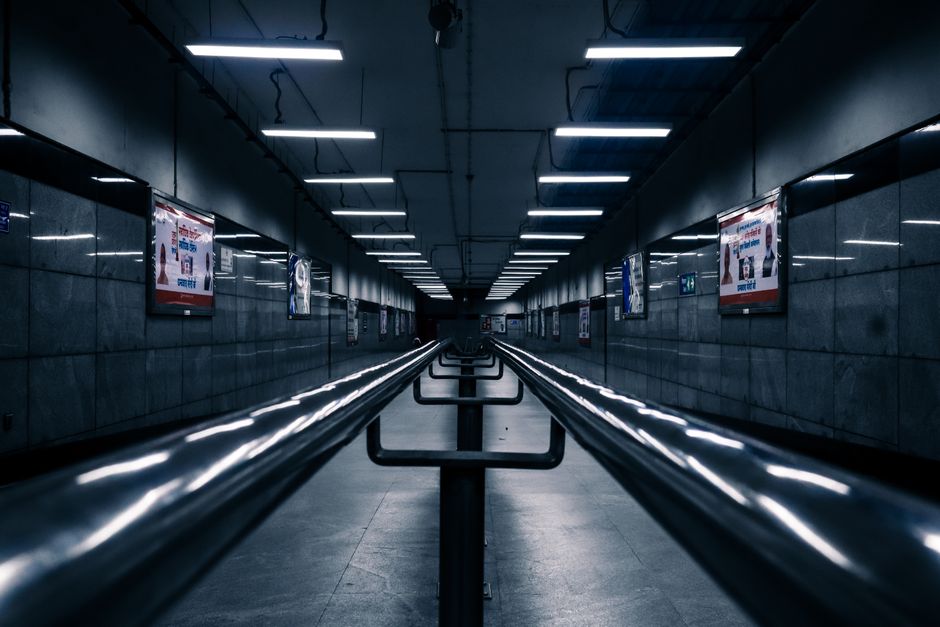
The Delhi Metro Rail Corporation's ongoing Phase IV expansion—designed to add 65 kilometres of new lines by 2030—remains central to the city's growth strategy. Officials at the transport secretariat have stressed that the Aerocity-Sector 62 Gurugram corridor and the proposed Indore-Aerocity spur represent essential links for the city's satellite corridors. Yet independent urban mobility experts point to funding gaps and land acquisition delays that have plagued earlier phases, suggesting completion dates may slip further.
"The last-mile connectivity problem remains our biggest headache," one senior DMRC engineer told colleagues during a recent closed-door session, according to sources familiar with internal discussions. Officials acknowledge that the northern extension towards Bhahadurgarh and the southern push beyond Faridabad require coordinated state-level action—a political complexity that has historically derailed timelines.
The National Highways Authority of India has also announced accelerated work on the Delhi-Mumbai Expressway's eastern spur, which will link the Outer Ring Road near Ghazipur with the elevated corridor towards Noida. Transport commissioners stress this project could reduce commute times from East Delhi to the airport by nearly 40 minutes, though residential areas along the planned route—including pockets of Kondli and parts of Indirapuram—face substantial disruption during construction.
Public transport advocates and civil society groups meeting with the Delhi Transport Corporation have raised concerns about bus rapid transit integration along these new corridors. They argue that high-capacity metro systems risk becoming underutilised if feeder bus networks aren't substantially expanded alongside construction. Cost estimates for metro tickets—currently ₹10 to ₹40 depending on distance—may face pressure if operational expenses rise, officials have indicated.
Real estate analysts point out that infrastructure momentum is reshaping Delhi's property landscape. Areas along proposed metro extensions in South Delhi's Sangam Vihar and the East Delhi's Loni regions have seen 15-20% appreciation in recent months, raising affordability concerns for lower-income residents already navigating the capital's housing shortage.
Transport ministry sources suggest that revised project completion targets will be announced by September, following a comprehensive review of all ongoing contracts. Officials stress that despite setbacks, Delhi remains on track to become one of Asia's most connected cities within a decade—a vision that depends entirely on whether stated ambitions can overcome decades of endemic delays.
This article was compiled by AI from the sources linked above and screened before publishing. See our editorial standards.