The refugee community crowded into Delhi's historic Karol Bagh neighbourhood—home to roughly 15,000 Afghan nationals according to community workers—faces a pivotal moment. Over the next eighteen months, a confluence of policy deadlines, housing pressures, and resettlement opportunities will force both migrants and city officials to make choices that could redefine Delhi's relationship with one of its largest displaced populations.
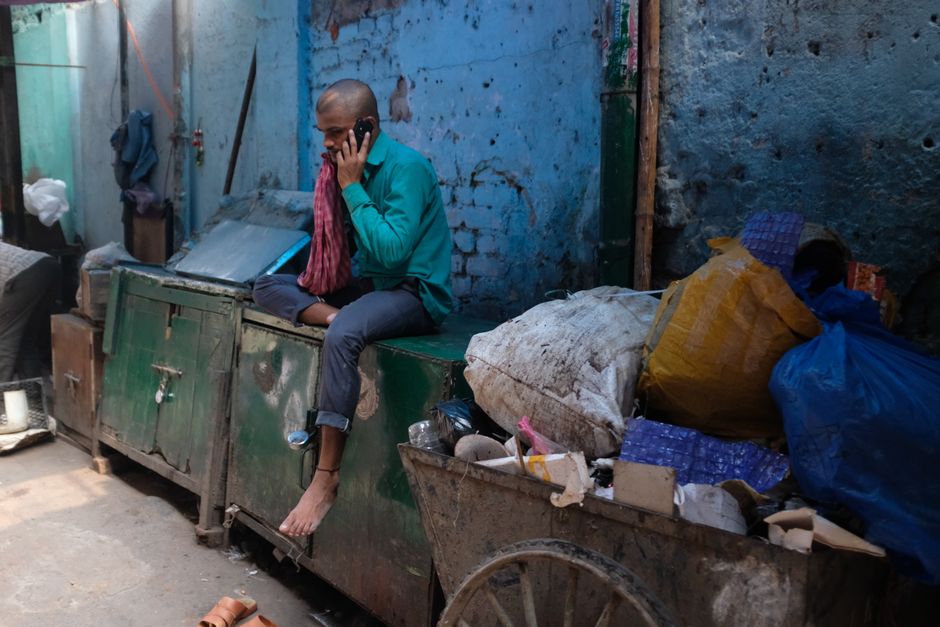
Rental prices in Karol Bagh have climbed 34% since 2023, with modest two-room flats now commanding ₹18,000-22,000 monthly. For families dependent on informal day labour—construction work, tailoring, restaurant jobs paying ₹300-400 daily—the arithmetic no longer works. "Families are splitting up," says a coordinator at the Delhi-based Hazara Community Association, based near Connaught Place. "Some move to cheaper areas like Bhajanpura; others consider leaving India entirely."
The immediate decision point is work permit renewal. India's temporary visa regime for Afghans expires in stages through 2027. The Ministry of External Affairs has signalled no mass amnesty, leaving individuals to navigate whether to pursue formal sponsorship (rare in informal sectors), attempt conversion to other visa categories, or face deportation. Meanwhile, the UNHCR resettlement queue—with Delhi cases averaging 4-5 year wait times—offers hope to some but uncertainty to many.
City planners confront their own decisions. The Delhi Development Authority and municipal authorities must determine whether to designate migrant-concentrated zones or enforce dispersal policies. Educational access hangs unresolved: Afghan children comprise roughly 8% of student populations in northwest Delhi schools, yet remain ineligible for subsidised government schooling. Will the next municipal budget address this, or will private institutions like those clustered around CP continue absorbing costs?
Key stakeholders—the Indian Council of World Affairs, NGOs including the Pravah Foundation, and community organisations themselves—are now mapping three scenarios for 2028. First, managed integration: formalised work permits tied to employer sponsorship. Second, controlled emigration: accelerated resettlement abroad. Third, status quo drift: continued informality with periodic enforcement crackdowns.
The window for coordinated action is closing. Without clarity by late 2027, community leaders warn of two outcomes: either consolidation into informal settlements across the NCR, or accelerated outmigration to Turkey, Pakistan, or further west. Delhi's choice isn't whether change comes—it's whether the city shapes that change, or merely absorbs its consequences.
This article was compiled by AI from the sources linked above and screened before publishing. See our editorial standards.