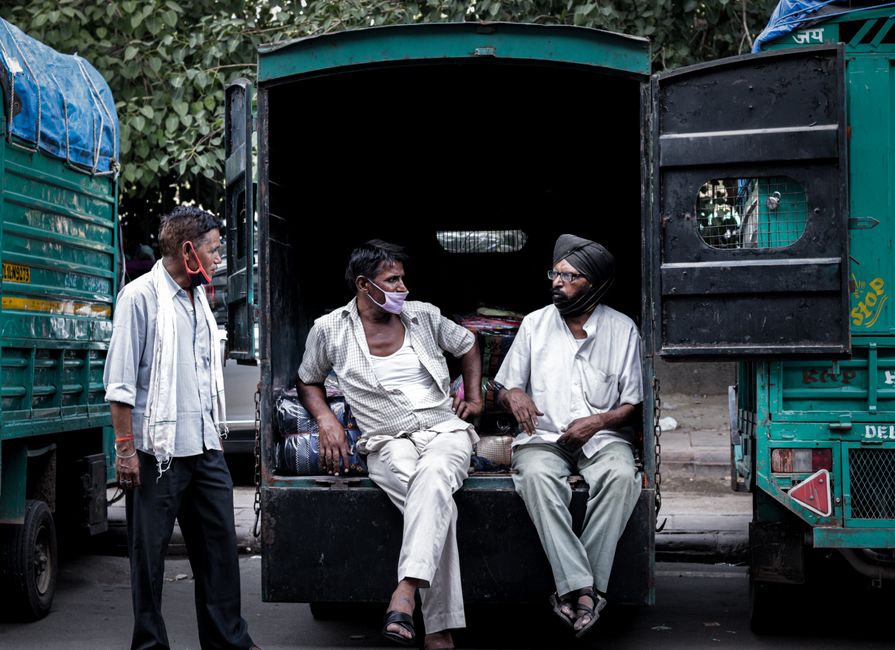
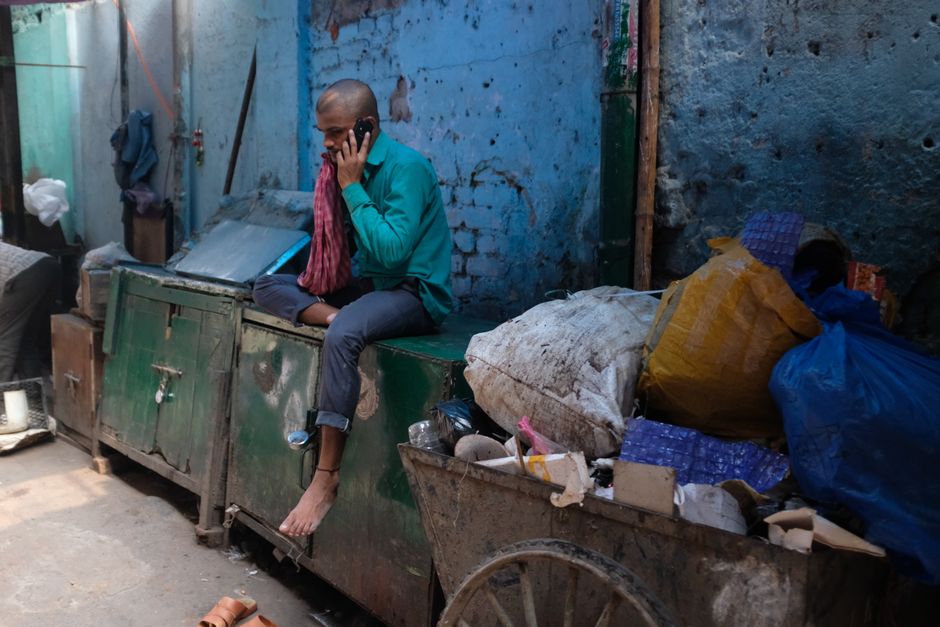
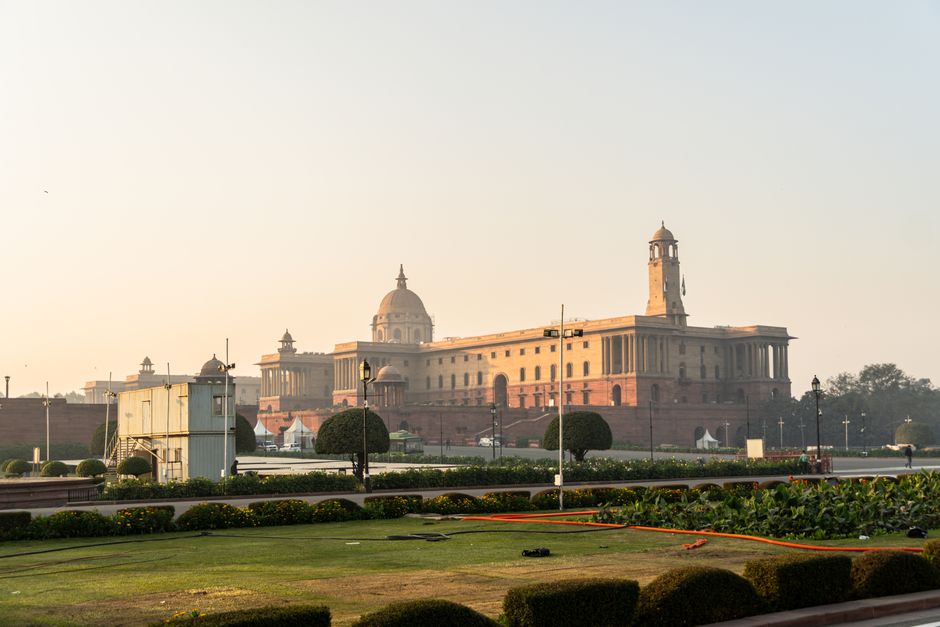
Delhi's sprawling migrant communities stand at a crossroads. With nearly 40% of the city's 32 million residents having arrived from other states or countries within the past decade, the question of what happens next to informal workers, visa holders, and undocumented migrants has become urgent—and deeply personal for hundreds of thousands of families.
The trigger: government announcements in recent weeks signalling stricter oversight of unregistered workers and proposed amendments to residential registration requirements in areas like Old Delhi, Karol Bagh, and Malviya Nagar, where migrant populations cluster in shared housing. For many, the uncertainty is already reshaping daily calculations about rent, employment, and whether to stay.
"People are weighing their options now," says Ravinder Sharma, a community organiser who coordinates welfare initiatives in West Delhi's informal settlements. "Before any rule changes are formally implemented, families are already asking: do we formalise, do we move, or do we leave the city altogether?"
The maths are unforgiving. Average monthly rent in migrant-dense neighbourhoods has climbed to ₹12,000-18,000 for modest two-room flats—double the rates of five years ago. Formalising employment through registered businesses requires capital and documentation many workers lack. Meanwhile, remittances sent home to Bihar, Uttar Pradesh, and Odisha have become lifelines for extended families; leaving Delhi means abandoning those income streams.
Key decisions loom. Will community organisations like the All India Migrants' Association successfully lobby for transition periods and regularisation schemes? Will Delhi's informal economy—worth an estimated $15-20 billion annually and employing over 6 million people—collapse under stricter regulation, or adapt through formalisation? How will the city's housing crisis respond if migrant populations shrink or shift to outer districts?
NGOs and grassroots groups are preparing contingency plans. Some are documenting workers' histories to support future formalisation claims. Others are exploring low-cost housing alternatives in areas like Greater Noida or Ghaziabad, where affordability remains higher but commute times stretch to two hours.
The city's character depends on these next decisions. Delhi's restaurants, construction sites, transport hubs, and homes all rely on migrant labour. Yet the workers themselves have little voice in policy conversations happening in distant government offices.
Over the next three months, as proposed rules move toward implementation, the real test begins: can Delhi accommodate the people who build it, or will it choose efficiency over humanity?
This article was compiled by AI from the sources linked above and screened before publishing. See our editorial standards.