A comprehensive survey released by the Delhi Institute of Urban Affairs this week has quantified what many residents already sense: Delhi is in the midst of a profound demographic shift. The study, which tracked migration patterns over the past five years, found that 4.2 million people—approximately 22 per cent of the National Capital Region's population—have relocated to Delhi from other states, with 68 per cent arriving within the last decade.
The data tells a striking story about India's internal migration crisis and opportunity. Workers from Uttar Pradesh comprise the largest contingent at 31 per cent, followed by Bihar at 19 per cent and Rajasthan at 12 per cent. Most gravitate toward construction, domestic work, and the informal service sector. Monthly earnings average ₹8,500 to ₹12,000—roughly 40 per cent below the Delhi minimum wage of ₹20,600.
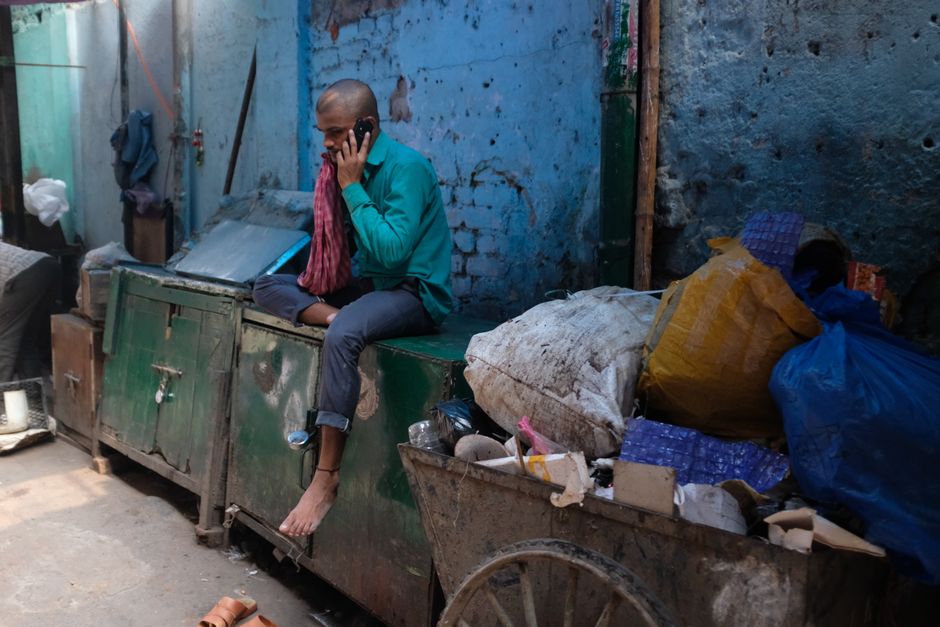
The housing implications are severe. In traditional migrant hubs like Dwarka and outer Delhi neighbourhoods, rental prices have surged 34 per cent since 2021, according to property analytics firm Square Yards. A single room in congested colonies near Kasturba Nagar now rents for ₹4,000 to ₹6,000 monthly—consuming up to 50 per cent of a migrant worker's income. Slum clusters have expanded correspondingly; the Delhi Urban Shelter Improvement Board reports 797 registered slums across the city, housing approximately 1.9 million people.
Yet the economic contribution is undeniable. The construction sector alone, powered largely by migrant labour, contributes an estimated ₹45,000 crore annually to Delhi's GDP. Domestic workers—predominantly women—number around 800,000, providing essential services to 3.8 million Delhi households.
Social infrastructure struggles to keep pace. Schools in migrant-dense areas report 150 per cent classroom capacity. The Delhi government's health survey found that 58 per cent of migrant children lack complete immunisation records. Civil society organisations like the Migration Resource Centre in Lajpat Nagar document 200-250 new cases monthly involving wage theft, workplace injuries, and housing disputes.
Yet data also reveals unexpected integration. The Nehru Place Chamber of Commerce reports that migrant-owned businesses—small shops, repair services, street food vendors—now account for 23 per cent of registered traders in outer zones. Remittances sent home exceed ₹12,000 crore annually.
As Delhi absorbs 500,000 new arrivals yearly, according to municipal projections, the numbers underscore a critical policy moment: managing growth while protecting vulnerable populations remains the city's defining challenge.
This article was compiled by AI from the sources linked above and screened before publishing. See our editorial standards.