Delhi's New Housing Policy: Why Affordable Unit Cuts May ...
As the capital tightens affordable housing mandates in premium zones, residents across South Delhi, East Delhi and beyond face a critical question about who gets to live in their city.
As the capital tightens affordable housing mandates in premium zones, residents across South Delhi, East Delhi and beyond face a critical question about who gets to live in their city.
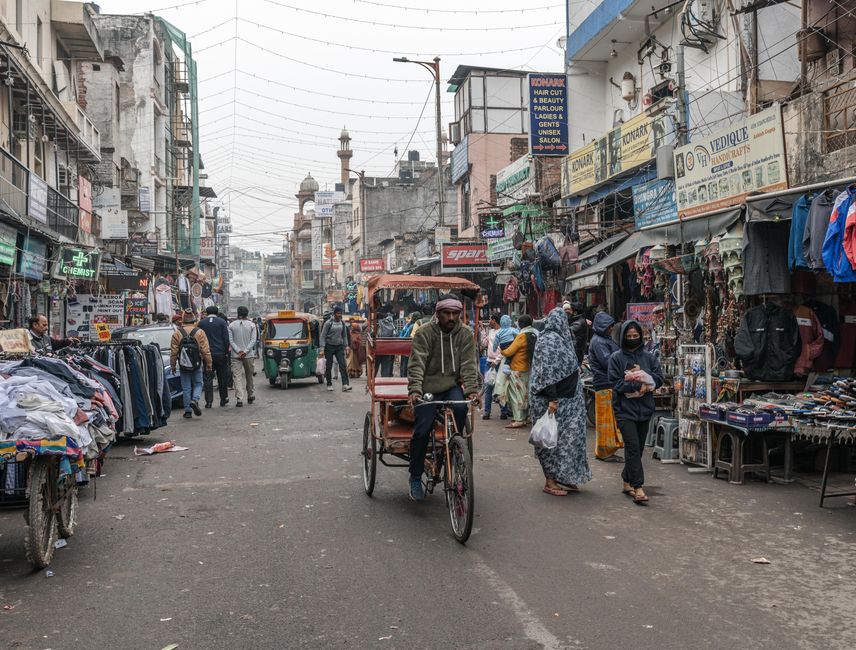
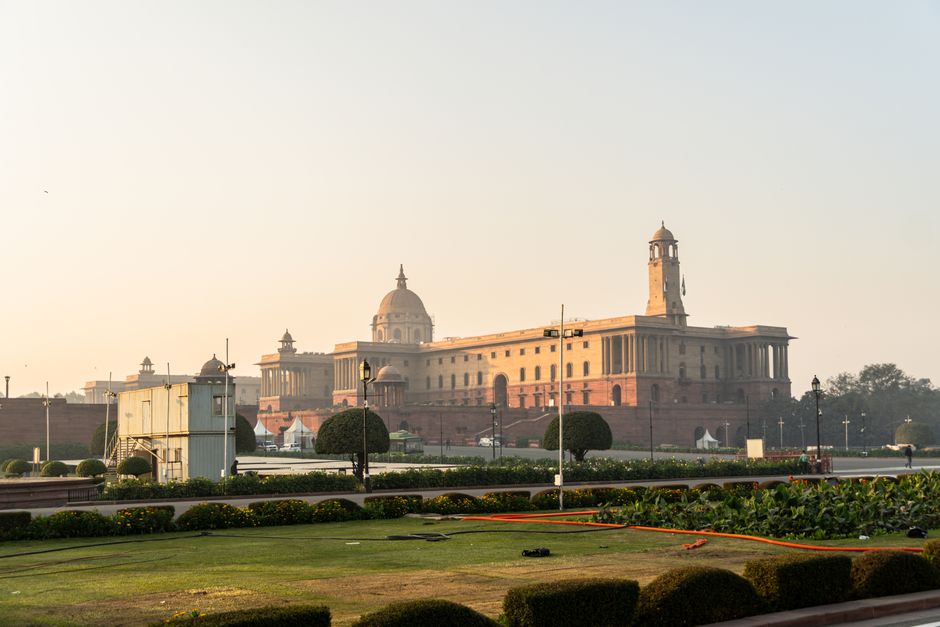
When the Delhi Development Authority announced revised housing guidelines last month, the fine print contained a decision that will ripple through the capital's neighbourhoods for decades: developers in Tier-1 zones like Greater Kailash, Defence Colony and parts of Sector-8 Rohini can now reduce affordable housing contributions from 30% to just 15% of new projects.
For middle-income residents already priced out of Central Delhi, the policy shift signals a troubling direction. Real estate analysts estimate the change could remove nearly 8,000 affordable units from the development pipeline across the National Capital Region over the next five years—at a time when housing demand among Delhi's working-class families has only intensified.
"We're not just talking about numbers," says Nidhi Sharma, founder of the Delhi Housing Rights Coalition, an advocacy group monitoring policy changes. "These are teachers, nurses, and administrative staff who work in these localities but increasingly cannot afford to live in them. When you reduce affordable housing mandates, you're making a choice about whose Delhi this is."
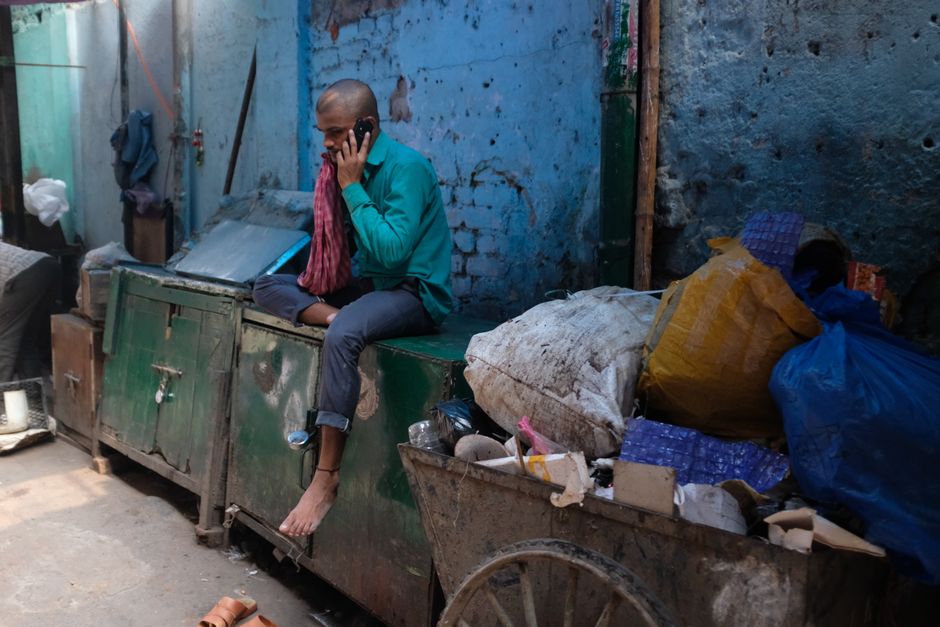
The impact extends beyond individual households. Neighbourhoods like Dwarka, Chhatarpur, and parts of Vasant Kunj are already experiencing demographic shifts. Schools report changing student populations; small businesses struggle to find affordable commercial space; domestic workers face longer commutes from peripheral settlements.
The Municipal Corporation of Delhi estimates the city needs 6.2 million housing units by 2031 to meet demand. Current production falls short by over 200,000 units annually. The new policy, aimed ostensibly at accelerating development by reducing builder compliance costs, contradicts data showing that affordable housing mandates don't significantly impede projects—they reshape them.
What makes this moment crucial is visibility. Most Delhi residents never hear about zoning amendments or housing policy revisions until they affect property values near their homes or their children's commute to school. The DDA's decision affects zoning across roughly 40% of the capital's developable land.
The Delhi Metropolitan Development Authority has invited public comments until July 15. For residents in Malviya Nagar, Munirka, Safdarjung Enclave, and surrounding areas—where this policy applies directly—the window to voice concerns about community composition and local character remains open, though narrowing.
Housing policy isn't abstract urban planning. It determines whether your neighbourhood remains economically mixed or increasingly stratified; whether local schools serve diverse populations; whether the people who build and maintain your city can afford to live in it. Delhi's residents deserve to understand that choice is being made in their name.
This article was compiled by AI and screened before publishing. See our editorial standards.
How does this story make you feel?
Spread the word
About this article
Published by The Daily Delhi
Daily brief
Free, in your inbox before 7am. Weekdays.
More in News