When the Delhi Development Authority announced revised housing density norms last month, applause came from developer chambers and municipal offices. But in the neighborhoods facing the most immediate impact—Karol Bagh, Malviya Nagar, and parts of East Delhi—the mood is considerably more anxious.
The new regulations permit higher floor-area ratios in central zones, ostensibly to increase housing supply. Yet residents of these densely packed areas worry the policy will transform their communities while pricing out existing dwellers. A survey by the All India Institute of Local Self-Government found that 73 percent of Delhi residents fear rising property values will force displacement within five years.
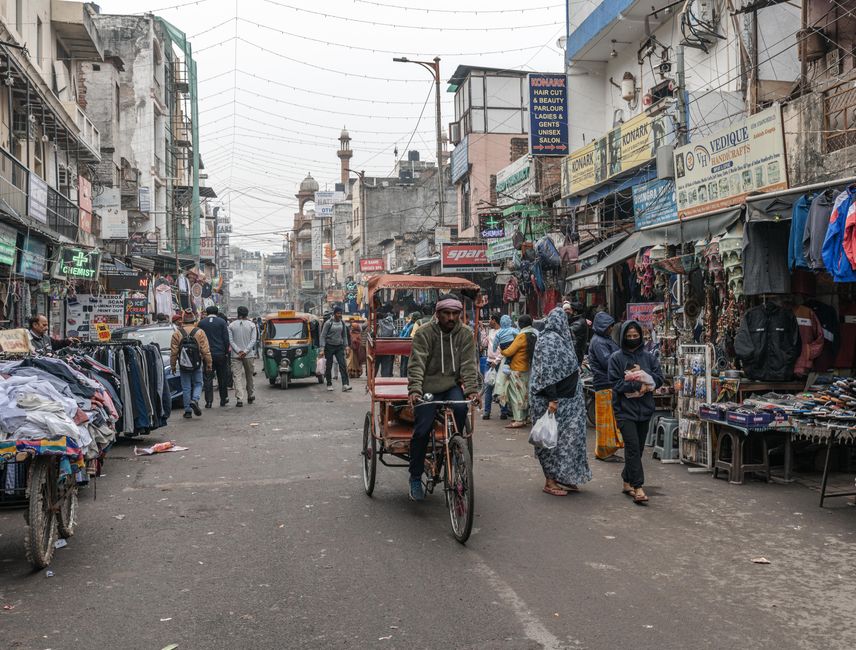
In Karol Bagh, where ground-floor shops and modest residential units have anchored the neighborhood for decades, shopkeepers report landlords already approaching tenants with steep renewal demands. "My rent was ₹25,000 last year. This renewal, they're asking ₹40,000," said one long-time resident, speaking on condition of anonymity. Similar stories echo across Malviya Nagar, where average residential properties have crossed ₹2 crore—placing homeownership beyond reach for middle-income families.
Community organizations like the Delhi Tenants' Rights Alliance have raised concerns about inadequate safeguards for vulnerable populations. "The policy doesn't mandate affordable housing quotas proportional to the development scale," explains a spokesperson for the group. "We're seeing luxury apartments rise while working-class families have nowhere to go."
The Municipal Corporation of Delhi's latest housing data reveals only 8 percent of new residential projects fall into the affordable category, despite housing shortage estimates placing Delhi's deficit at over 1.5 million units. Local councillors in South Delhi report constituents demanding clarity on resettlement schemes before approving large mixed-use developments.
Planners counter that restrictive policies have worsened the shortage. The Delhi Metropolitan Development Authority argues that liberalizing density rules will eventually moderate prices through supply increases—a view contested by housing economists who point to stagnant affordability despite construction booms in other Indian metros.
The real tension, however, lies in the gap between policy intent and lived experience. While officials discuss solutions in air-conditioned conference rooms at ITO or Town Hall, residents of Karol Bagh and beyond face immediate, tangible concerns: Can they afford next year's rent? Will their neighborhood remain recognizable? Who, ultimately, are these policies designed to serve?
As Delhi's next planning review approaches, community voices—too often sidelined in technocratic discussions—deserve proportional weight in shaping a city that works for everyone, not just investors.
This article was compiled by AI from the sources linked above and screened before publishing. See our editorial standards.