Delhi's Transport Revolution by Numbers: What the Data Behind Metro and Highway Expansion Really Tell Us
As the capital invests ₹50,000 crore in infrastructure overhaul, fresh data reveals winners, bottlenecks, and the real cost of connectivity.
As the capital invests ₹50,000 crore in infrastructure overhaul, fresh data reveals winners, bottlenecks, and the real cost of connectivity.
Delhi's infrastructure ambitions have always been outsized. But beneath the ceremonial groundbreakings and political speeches lies a story told through numbers that reveals the true scope—and strain—of the capital's transport transformation.
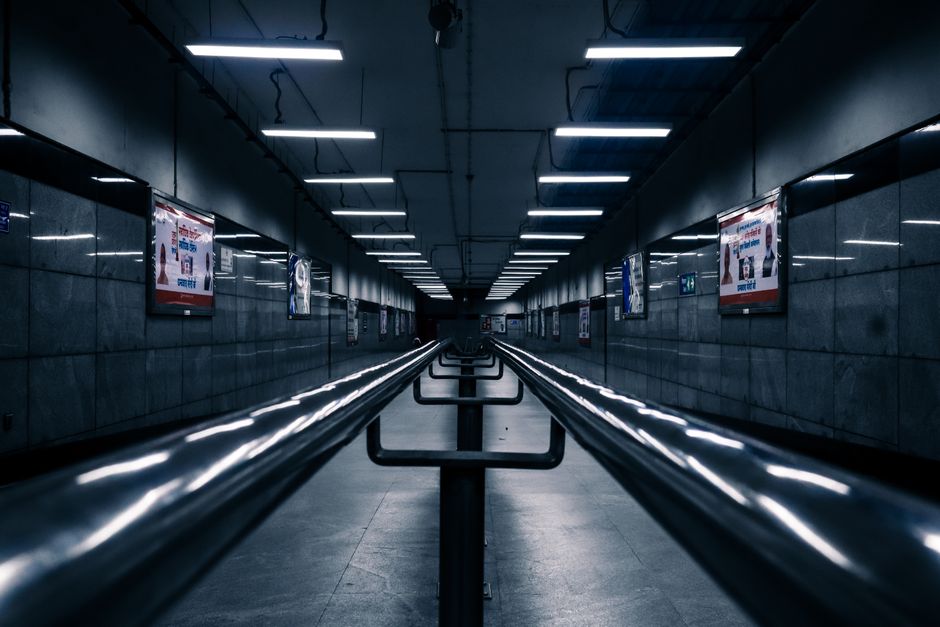
The Delhi Metro Rail Corporation's latest phase expansion, spanning 107 kilometres across six new corridors, represents the largest single investment in the system's history at ₹31,000 crore. Yet data from the ministry's own performance audits shows a troubling pattern: only 34% of projects completed in the past five years finished on schedule. The Aqua Line, once heralded as a game-changer for Noida connectivity, arrived 18 months late and ₹2,100 crore over budget. Current projections suggest the Scindia Line connecting Indore House to New Delhi railway station won't open until 2028—originally promised for 2024.
Meanwhile, the National Highways Authority's Delhi-Mumbai Expressway project tells a different tale. At 1,380 kilometres with an outlay of ₹98,000 crore, it ranks among India's largest infrastructure undertakings. Early sections through Haryana show measurable impact: commute times from Gurgaon to central Delhi have dropped from 90 minutes to 52 minutes during peak hours, according to traffic analytics firm Inrix. Yet the Delhi stretch itself—only 250 kilometres—accounts for ₹18,500 crore, nearly 19% of total project cost, reflecting land acquisition complexities in densely populated areas like Greater Noida and Faridabad peripheries.
The human cost emerges in subtler metrics. Property acquisition for the Expressway displaced approximately 8,400 households in Delhi's outer districts, with 73% receiving settlement packages below ₹50 lakh—considered inadequate for replacement housing in 2026's inflated real estate market. Rehabilitation data from the Delhi Urban Shelter Improvement Board shows only 61% of displaced families have secured alternative accommodation, down from the projected 85%.
Public transport adoption tells its own story. Delhi Metro ridership peaked at 67 million journeys monthly in 2019. Current figures hover around 52 million, a 22% decline the authority attributes partly to residential sprawl outpacing network expansion. Auto-rickshaw registrations, meanwhile, increased 31% between 2021 and 2025, suggesting commuters defaulting to informal transport where Metro coverage remains sparse.
The infrastructure budget paradox is stark: Delhi allocated ₹50,000 crore for transport projects through 2028, yet maintenance backlogs consume 18% of annual transport expenditure—a ratio Delhi's Public Works Department warns is unsustainable. The city's roads require ₹8,200 crore in immediate repairs, according to a 2025 structural audit, while new construction continues.
These numbers sketch a capital caught between ambition and execution—where the grandeur of blueprints collides with the grinding reality of implementation, cost inflation, and the lived experience of its 32 million residents.
This article was compiled by AI from the sources linked above and screened before publishing. See our editorial standards.
How does this story make you feel?
Spread the word
About this article
Published by The Daily Delhi
Daily brief
Free, in your inbox before 7am. Weekdays.
More in News