How Delhi's Municipal Politics Reached This Breaking Point: The Road to This Summer's Crisis
Years of fractured governance, budget delays, and inter-agency tensions have created the perfect storm for the capital's administrative breakdown.
Years of fractured governance, budget delays, and inter-agency tensions have created the perfect storm for the capital's administrative breakdown.
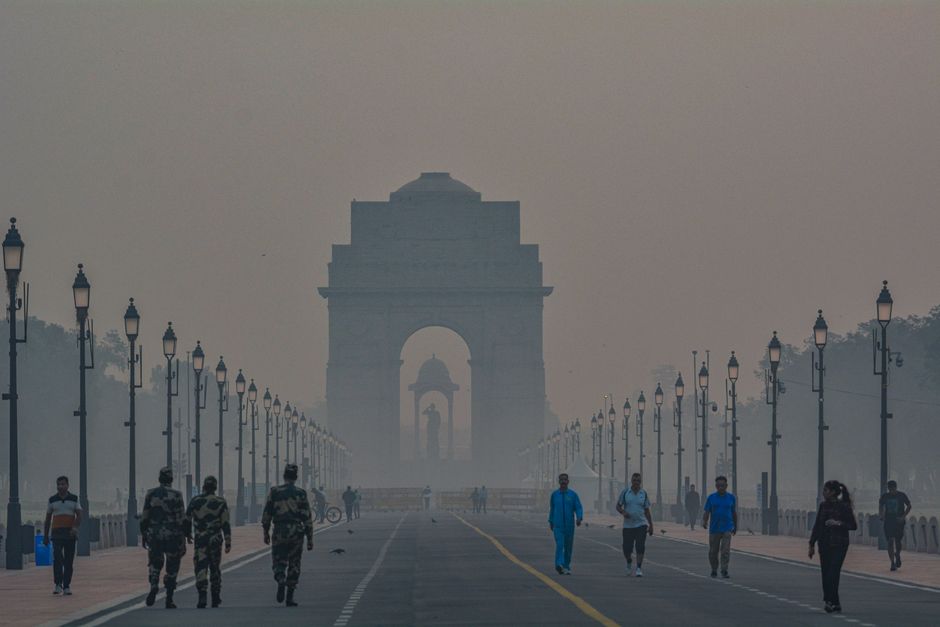
Delhi's municipal structure has long been viewed as a cautionary tale in Indian governance—three separate corporations managing different zones, each struggling with crumbling infrastructure and political gridlock. But the tensions that erupted this month didn't emerge overnight. Understanding how the capital arrived at this juncture requires examining a decade of compounding failures and institutional decay.
The fragmentation began in 2012 when the Municipal Corporation of Delhi (MCD) was trifurcated into North Delhi Municipal Corporation, South Delhi Municipal Corporation, and East Delhi Municipal Corporation. The stated goal was efficient, localized administration. Instead, it created overlapping jurisdictions, duplicated expenses, and accountability gaps that have haunted the system ever since. Neighbourhoods like Karol Bagh and Chandni Chowk found themselves caught between competing administrative priorities.
Financial mismanagement deepened the crisis. Budget allocations for basic services—waste management, pothole repairs, water supply—have consistently fallen short of actual requirements. A 2024 audit revealed that property tax collections across all three corporations remained below 60% of assessed amounts, leaving annual shortfalls exceeding ₹800 crores. Residents in areas like Dwarka and Greater Noida Extension grew accustomed to infrastructure neglect as funds dried up.
The political dimension cannot be ignored. With Delhi's complex administrative hierarchy—involving the state government, the Lieutenant Governor's office, and the corporations—decision-making has become paralysed by jurisdictional disputes. The contentious 2022 municipal elections, which saw significant seat redistribution, only intensified rivalries between ruling parties at different administrative levels. Crucial civic projects in Rohini, Outer Delhi, and South Extension have languished in bureaucratic limbo for months.
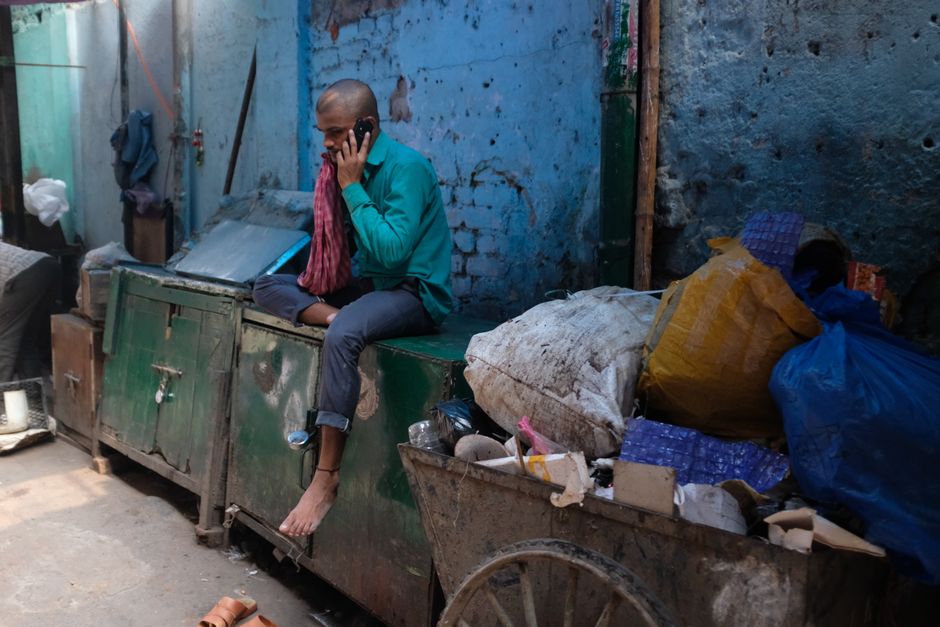
Employee morale has collapsed. The three corporations employ approximately 40,000 workers, many of whom haven't received salary increments in years. Sanitation workers have staged multiple strikes, most recently in April, disrupting services across Central Delhi and creating public health hazards. The institutional knowledge and workforce efficiency that sustained operations decades ago has eroded considerably.
Infrastructure decay is visible everywhere. The pothole count on major arterial roads—from NH-24 through East Delhi to the Outer Ring Road—has tripled since 2020. Water quality complaints have surged in peripheral areas. Residents report waiting months for municipal approvals on property-related matters at offices near Delhi Gate and Vikas Sadan.
This summer's political tensions represent the accumulated weight of systemic dysfunction. Without fundamental restructuring, fragmented accountability, and meaningful financial reform, Delhi's municipal governance will likely continue its downward spiral.
This article was compiled by AI from the sources linked above and screened before publishing. See our editorial standards.
How does this story make you feel?
Spread the word
About this article
Published by The Daily Delhi
Daily brief
Free, in your inbox before 7am. Weekdays.
More in News