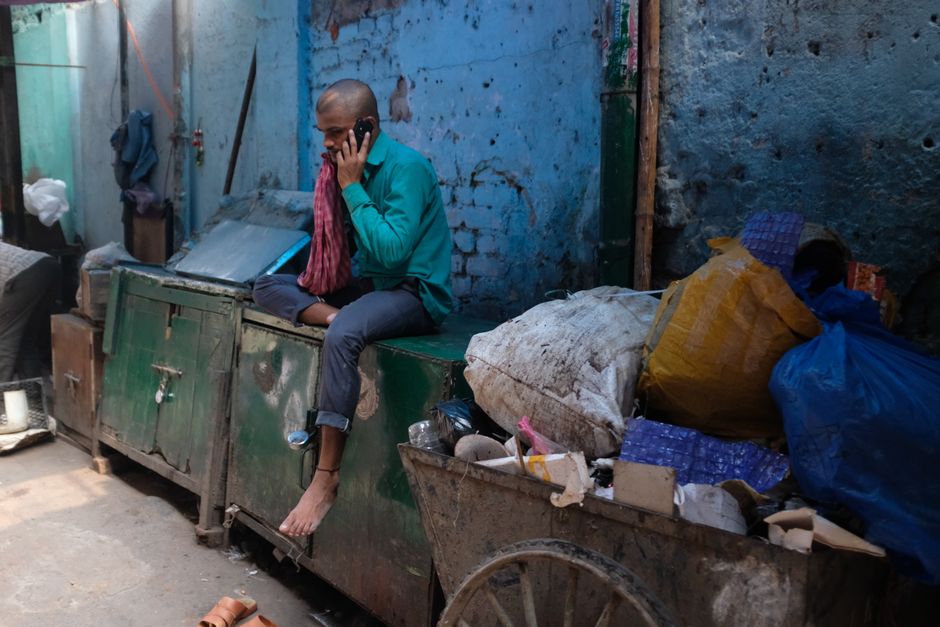
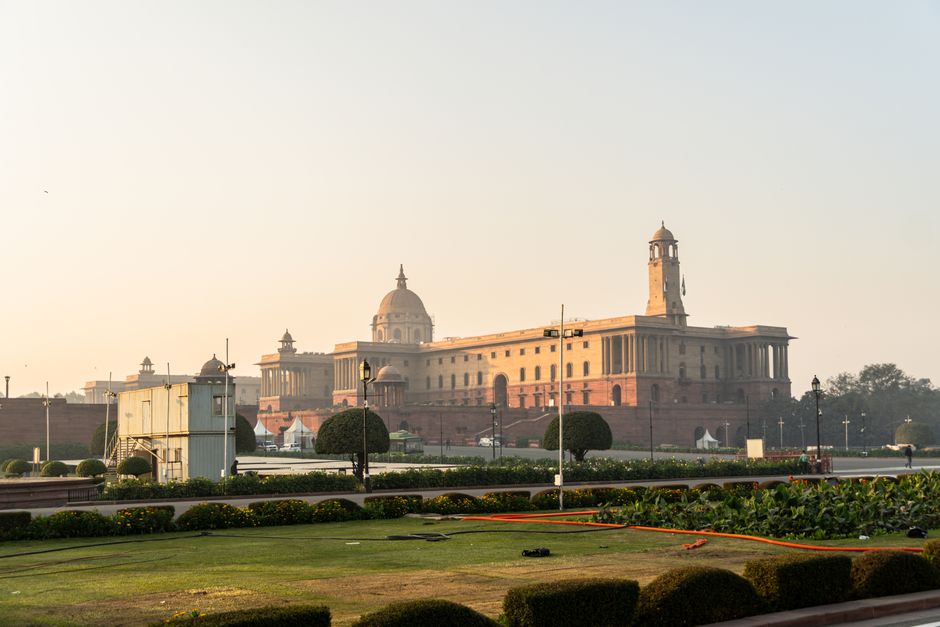
Delhi's transformation into a migration hub has accelerated dramatically, according to freshly compiled census data and housing ministry reports released this quarter. The numbers paint a portrait of a city in flux: 9.2 million migrants now reside in Delhi, representing nearly 45% of the capital's 20.6 million population—up from 6.8 million just five years ago.
The influx has created unprecedented demand pressures. Data from the Delhi Development Authority shows rental prices in traditional migrant corridors have doubled. In Karol Bagh, average monthly rents for a single room have climbed from ₹12,000 to ₹24,500 since 2021. Shaheen Bagh and Okhla have seen similar trajectories, with shared accommodation becoming the survival strategy for newcomers earning below ₹25,000 monthly—a threshold that now defines roughly 62% of Delhi's migrant workforce.
Employment patterns reveal the economic backbone supporting this growth. Ministry of Labour data indicates 3.4 million migrants work in construction, domestic services, retail, and gig economy roles. Yet only 340,000 are formally registered under welfare schemes—less than 10%. This registration gap creates cascading vulnerabilities. Health ministry records show migrant maternal mortality rates in Delhi remain 4.2 times higher than the citywide average, despite access to hospitals like RML and Guru Tegh Bahadur.
Educational access tells another story. Delhi school enrollment data shows migrant children comprise 38% of students in government schools across East Delhi and South Delhi zones, yet only 19% of Delhi's private institutions. The Municipal Corporation of Delhi operates 1,247 schools; roughly 380,000 migrant children attend them, with 23% dropping out by secondary level—double the citywide average.
Community organizations working from bases in Chandni Chowk, ITO, and Dwarka report surging demand for services. The Delhi Migrant Workers' Rights Centre documented 847 formal complaints in 2025, up from 312 in 2023—predominantly wage theft and housing disputes. Yet the organization operates with just 12 full-time staff and an annual budget of ₹2.1 crores.
Government resources haven't scaled accordingly. The Delhi government allocated ₹340 crores for migrant welfare schemes in 2026—approximately ₹36.9 per migrant annually. By contrast, city expenditure on infrastructure reaches ₹1,240 per capita across the general population.
These disparities matter not just statistically but viscerally. They determine whether families find housing, whether children attend school, whether workers receive fair wages. As Delhi continues absorbing unprecedented migration, the gap between population growth and service provision widens—a mathematical reality with deeply human consequences.
This article was compiled by AI from the sources linked above and screened before publishing. See our editorial standards.