Delhi stands at an inflection point. After three years of aggressive environmental commitments—from the Delhi Sustainable Development Authority's mandate to retrofit 500 buildings by 2028, to the city's pledge to achieve net-zero emissions by 2050—planners now face a brutal reckoning: where does the money come from, and who actually enforces compliance?
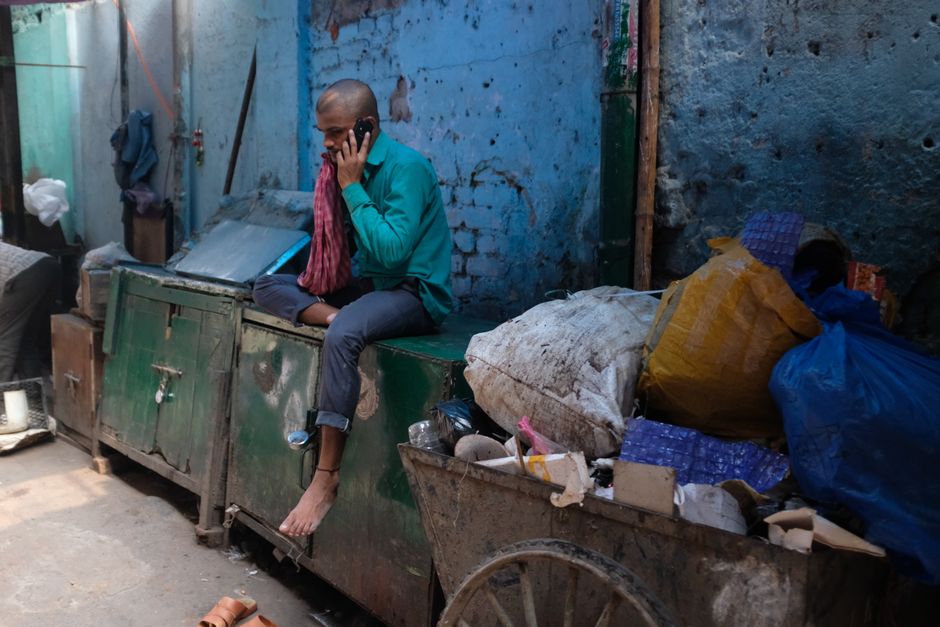
The numbers tell a sobering story. The city's waste generation has climbed to 13,500 tonnes daily, even as landfills at Bhalswa and Ghazipur operate at 150 percent capacity. The proposed shift toward circular economy principles—including a ₹450 crore composting facility planned for the Pragati Maidan periphery—remains locked in municipal bureaucracy. Meanwhile, the air quality index hovers between 'moderate' and 'poor' on most days, a grim reminder that visibility and intent are not the same thing.
The decisions ahead are neither small nor deferrable. First: the judiciary's expected ruling next month on the petition filed by environmental groups demanding enforcement of the 2016 National Green Tribunal order on groundwater depletion in South and West Delhi neighborhoods. This decision could either accelerate mandatory water-recycling systems in residential complexes or become another filed-away judgment.
Second: the allocation of environmental funds in the municipal budget, due for revision in July. The Delhi Pollution Control Committee has requested ₹120 crores for expanding the electric bus fleet to 3,000 vehicles by 2028—a 300 percent increase from today's fleet. Whether the corporation commits even half this sum will signal genuine intent or performative environmentalism.
Third: the Delhi Metro's expansion into lesser-served areas like outer Dwarka and Narela faces a decision point this quarter. An expanded metro footprint could shift transportation patterns away from private vehicles, but financing remains contested between state and central governments.
Industry watchers point to the residential sector as the real test case. The government's push for green building certification—targeting 10,000 buildings by 2030—requires both developer buy-in and consumer demand. Current uptake suggests skepticism: certification adds 3-5 percent to construction costs, and regulatory incentives remain too modest to overcome buyer hesitation.
Environmental activists are cautiously watching. The Delhi Environmental Action Group has praised policy frameworks but demands transparency on implementation. As one senior official acknowledged privately, commitment documents are easy; changing ground-level practices across India's most densely populated capital is orders of magnitude harder.
The decisions made in the next 60 days will largely determine whether Delhi's sustainability agenda becomes a template for India's cities, or another well-intentioned initiative buried under bureaucratic inertia and competing priorities.
This article was compiled by AI from the sources linked above and screened before publishing. See our editorial standards.